Kindred Spirits
Sisters Agapi & Costantza Sbokou Constantakopoulou are spearheading a kinder hospitality with Phāea, the Cretan boutique hotel group, to create a deeper connection between guests and their home island
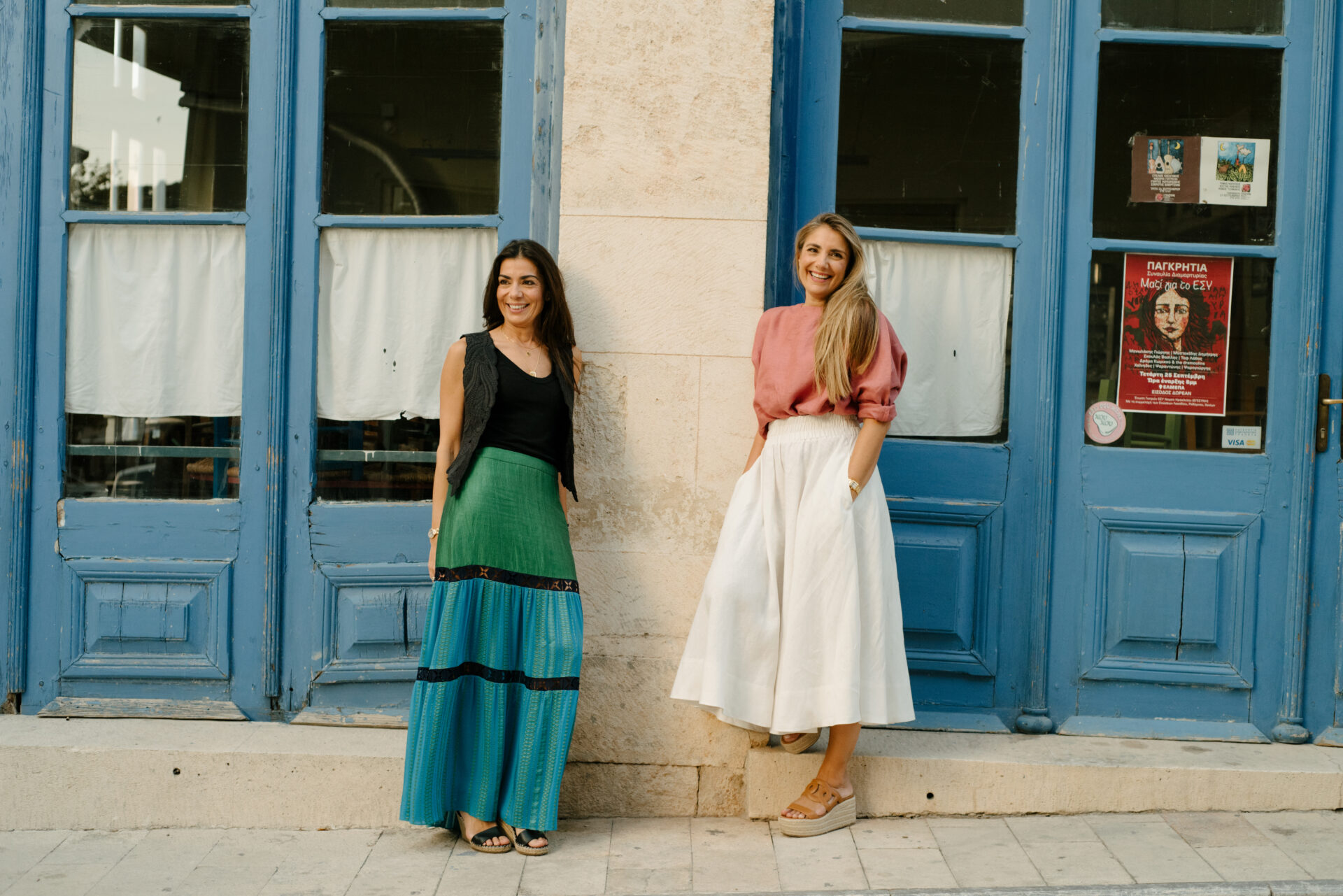
DESIGN ANTHOLOGY UK: When you developed your hospitality concept for Phāea, what made you pick kindness as your core value?
Agapi Sbokou, CEO of Phāea: For us, kindness is the foundation of true hospitality. From the very beginning, we understood that you can design beautiful spaces and thoughtful systems, but if the human exchange feels transactional, something essential is missing. Kindness for us is intention in action, a form of thoughtful hosting, of preserving culture, and of acting as ambassadors for the people and spirit of Crete. It shapes how we welcome, how we collaborate, and how we care for both people and place.
D/A UK: Philoxenia is central to your vision of tourism, can you explain what it means?
A: Philoxenia is a cultural instinct, one of generosity, openness, and respect. Today, tourism can often feel fast and disconnected, and luxury is sometimes misinterpreted as something new, spotless and excess losing its sense of authenticity and community. Philoxenia offers a different perspective. It reminds us that hospitality is about creating a genuine sense of belonging and connection, to everything that makes a place unique, its people, traditions and natural environment. For us, it is not about looking back nostalgically at tradition, but about carrying it forward in a meaningful way. This means preserving crafts, supporting local artisans, and giving a platform to the people who have shaped Crete’s heritage, allowing their stories and knowledge to remain part of the experience today.


D/A UK: Your properties are designed to slow guests down, how do you achieve that and why?
A: We design spaces that gently shift guests into a slower rhythm, where everything feels effortless, unhurried, and intuitive. There is a deeper invitation to pause, to observe, and to reconnect with the natural rhythms around you.
For us, slowing down is also closely tied to a more holistic sense of wellbeing. It comes through the quality of what we offer, especially the food. Through the Phāea Farmers Program, we work closely with local producers and our own Phāea Farmers team to supply our properties with first-quality fruits, vegetables, honey, and olive oil. This connection to the land brings a different awareness to the table, one that encourages guests to appreciate origin, seasonality, and simplicity. We also host a regular Farmers Feast, where guests harvest their own ingredients, bake bread, cook alongside our chefs, and gather around a shared table. These moments invite stillness and presence in more subtle ways.

D/A UK: How do you ensure your guests get a real, authentic Cretan experience despite being enveloped in a luxury resort?
A: We act as a gateway to the island’s culture, rhythms, and traditions through experiences that feel rooted to the destination.
At the heart of this is our Cretan diet philosophy, honouring heritage recipes, traditional cooking methods, and the purity of local ingredients. It’s inspired by one of the island’s most enduring legacies, food as a source of wellbeing, longevity, and identity. Crete being recognised as the European Region of Gastronomy for 2026 reflects this global appreciation, but for us, this commitment has always been part of our identity. Authenticity is also embedded within our spaces. From the Mitato at Village Heights Resort, rooted in traditional shepherd architecture, to the art-curated lobby at Phāea Blue in partnership with the Benaki Museum, featuring contemporary works by Greek artisans, each element reflects a living connection to culture.
However, we also invite guests to explore Crete through its communities beyond the coastline. Whether it’s baking with a women’s cooperative in Kritsa, or visiting weaving workshops in villages like Archanes, or viewing the Minoan Palaces, now part of the UNESCO World Heritage list, each offer a deeper cultural perspective through history and storytelling.

D/A UK: A sense of community is essential for conscious and sustainable travel, how are you shaping communities at Phāea?
A: Hospitality has always been about human connection, and it begins with our people! Many members of our team have been part of our family for decades. In some cases, we now welcome a second generation working alongside us. That continuity creates a genuine sense of belonging and care that guests immediately feel.
For our guests, community often emerges through simple moments like gathering around a communal table, sharing stories with a farmer, or sailing on a traditional caique alongside people who know these waters by heart. These experiences create connections not only with Crete, but also with one another. Guests, team members, local producers, artisans, and neighbours are all part of the same living ecosystem. Our role is simply to create the conditions for those connections to happen naturally.
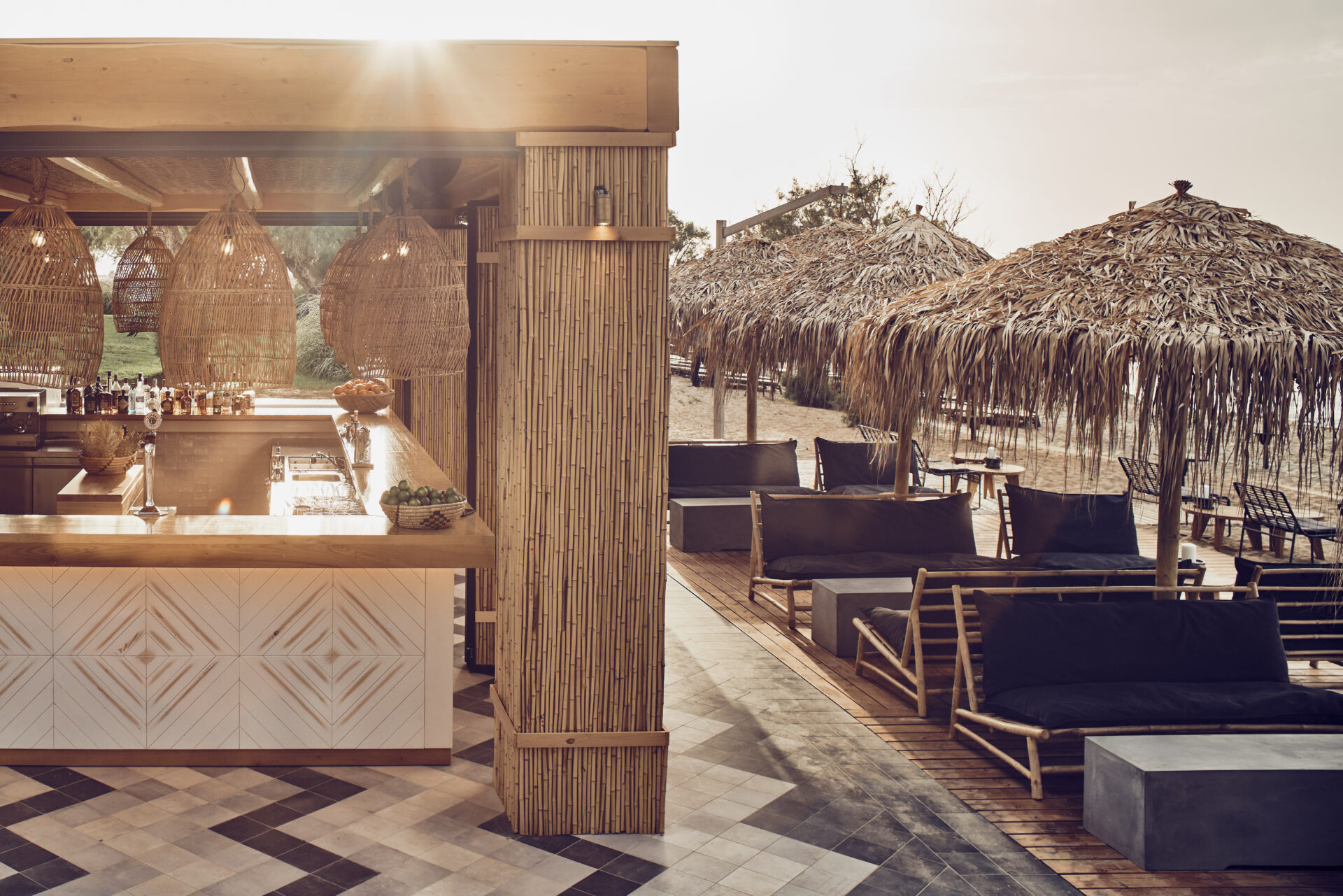
D/A UK: Boutique hoteliers are increasingly becoming curators, can you share why you chose your latest collaborations and guest experiences?
A: Hospitality today naturally extends into curation. A hotel is no longer just a place to stay, but a platform for culture and meaningful encounters.
A remarkable example is our collaboration with the Benaki Museum at Phāea Blue. Together with Stella Lizardi and the Benaki Museum team, we curated a collection of ceramics, textiles, marble objects, and contemporary design pieces that create a dialogue between heritage and modernity. Rather than treating art as decoration, we wanted these objects to become storytellers, offering guests a deeper understanding of Greek craftsmanship and creativity, with the opportunity to purchase, too.
Beyond that, we curate experiences that reveal the island through its people, from baking bread in stone ovens and learning local customs, to gatekeeping secret ingredients for a crunchy spinach pie by a Cretan grandmother. Our role as curators is to reveal what is already there and facilitate the connection between Cretan culture, craftsmanship, gastronomy, nature, and community in ways that allow guests to experience a truer, more timeless Greece.


D/A UK: Your meticulous focus on nuance and detail makes all the difference, please spotlight a few design details for our readership
A: One detail that feels particularly meaningful to me is how craftsmanship is embedded into the experience of place. We don’t approach art or design as decoration, but as a way of telling the story of Crete through materials, objects, and the hands that create them.
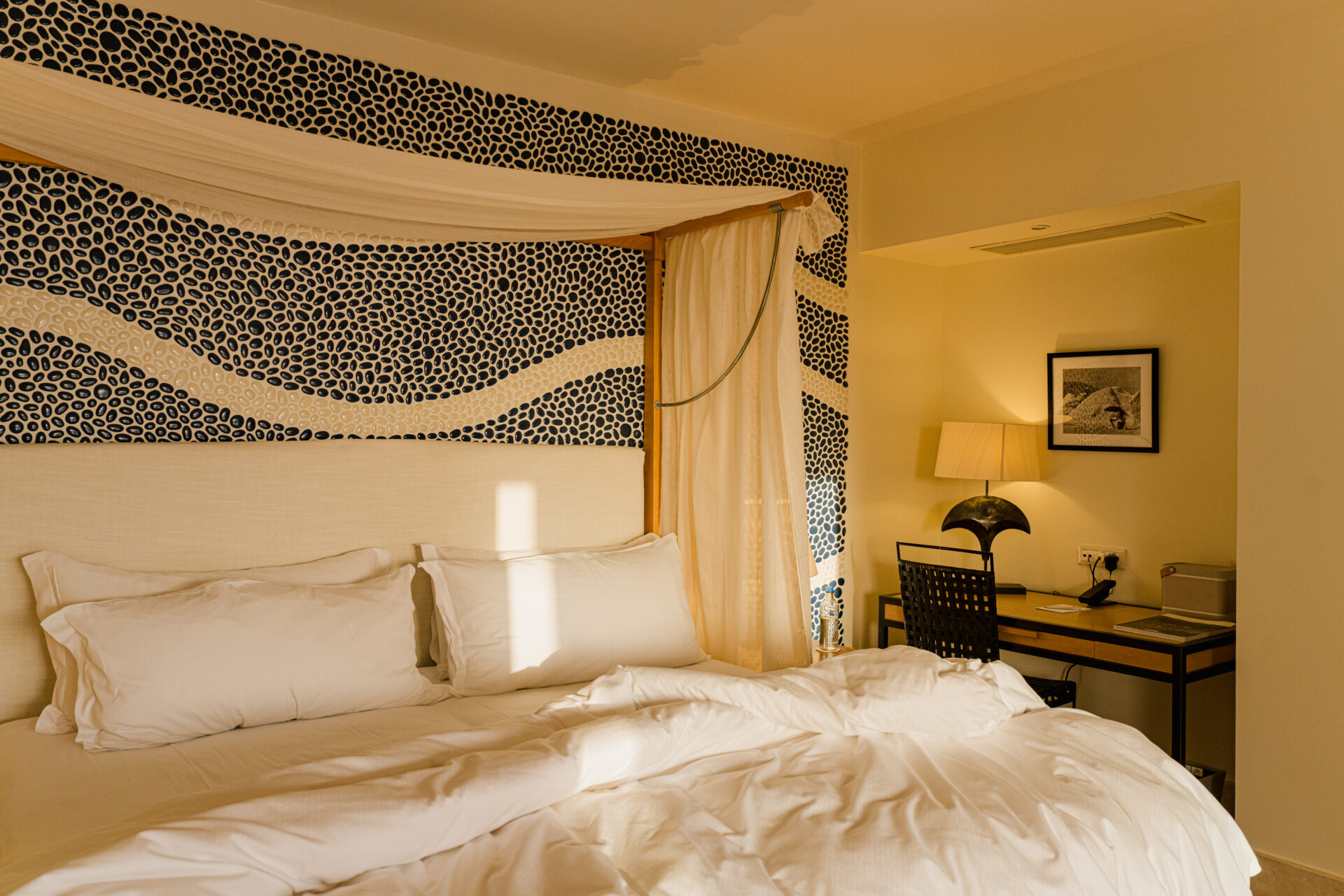
The entrance of Phāea Blue, for example, where guests walk on a large pebble mosaic inspired by the traditional votsaloto floors found throughout the Aegean. Each stone is carefully selected and placed by hand, continuing a craft that dates back centuries and can even be traced to Minoan Crete. What I love about this piece is that it connects land and sea, the pebbles shaped by the tides eventually finding their place in a contemporary interpretation of an ancient art form.
Equally important to us are the traditional Cretan textiles displayed throughout Phāea Cretan Malia lobby. These pieces are inspired by the weaving traditions passed down through generations of women, including our own grandmother, Agapi Sbokou. The patterns echo the landscapes of Crete, while each thread carries a story of craftsmanship, memory, and feminine heritage. Rather than presenting them as historical artefacts, we integrate them into contemporary spaces, allowing tradition to remain part of everyday life.
D/A UK: What shifting desires and needs do you see in travellers today? And how are you future-proofing for the next generation?
A: I think we are witnessing a shift from consumption towards connection.
Guests are becoming more curious about where they are. They want to understand the stories behind what they eat, meet the people who shape a destination, and experience traditions that have been passed from one generation to the next. They are looking for a sense of meaning and belonging, not just a beautiful backdrop.
At the same time, there is a growing expectation that luxury should be responsible. Increasingly, travellers want to know how a hotel engages with its environment, supports local communities, preserves cultural heritage, and contributes positively to the place it calls home.
For us, future-proofing is not about following trends, but about staying true to values that feel increasingly relevant. We continue to invest in local food systems through the Phāea Farmers Program, collaborate with artisans and cultural institutions, preserve traditional crafts, and create experiences that connect guests with the landscape and people of Crete.


