Heaven & Earth
Built using local material and techniques, Cyrus Ardalan’s earth and glass house in Senegal is naturally cooled and ventilated – and has a beautiful coherence between the big picture and the smallest details
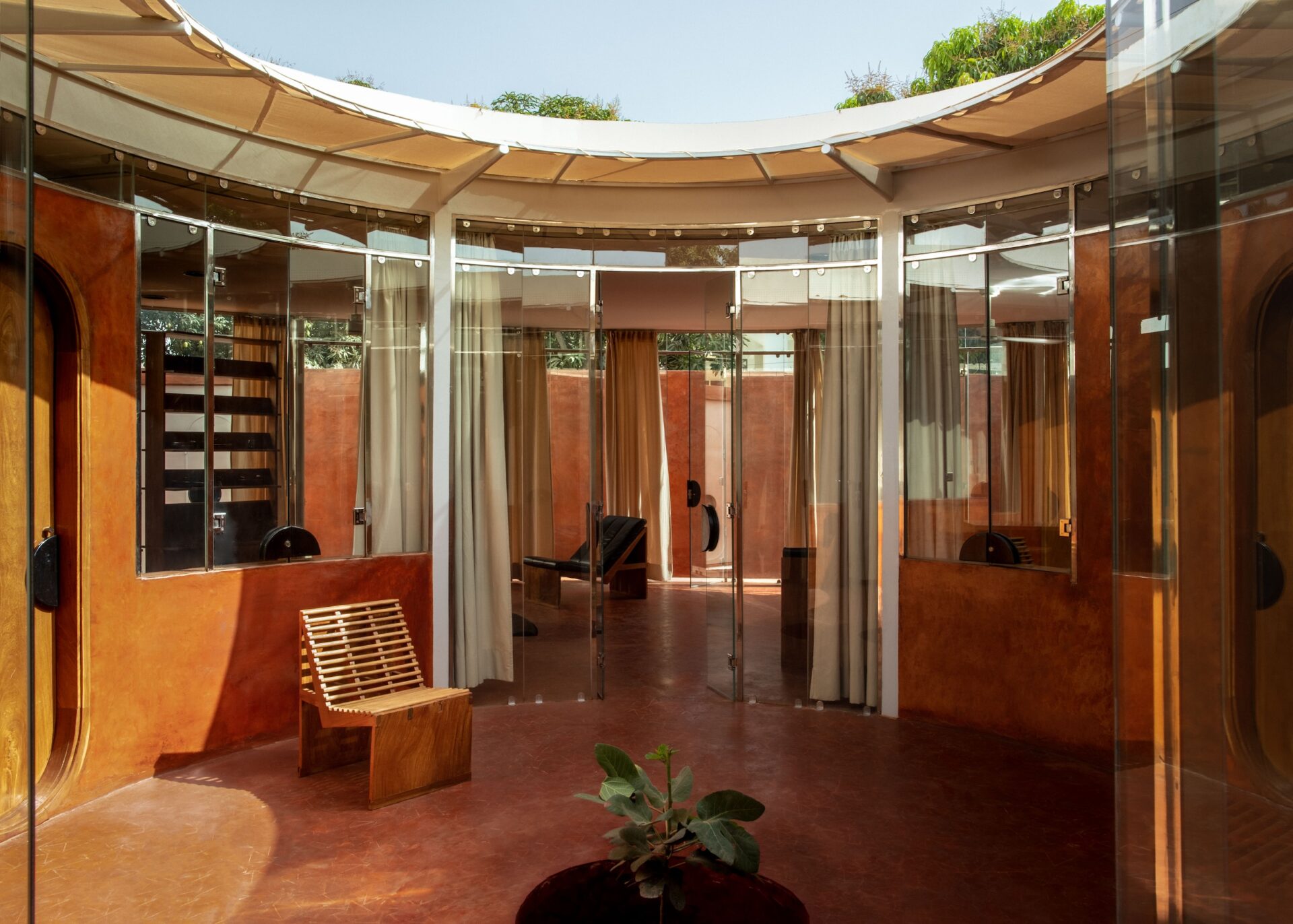
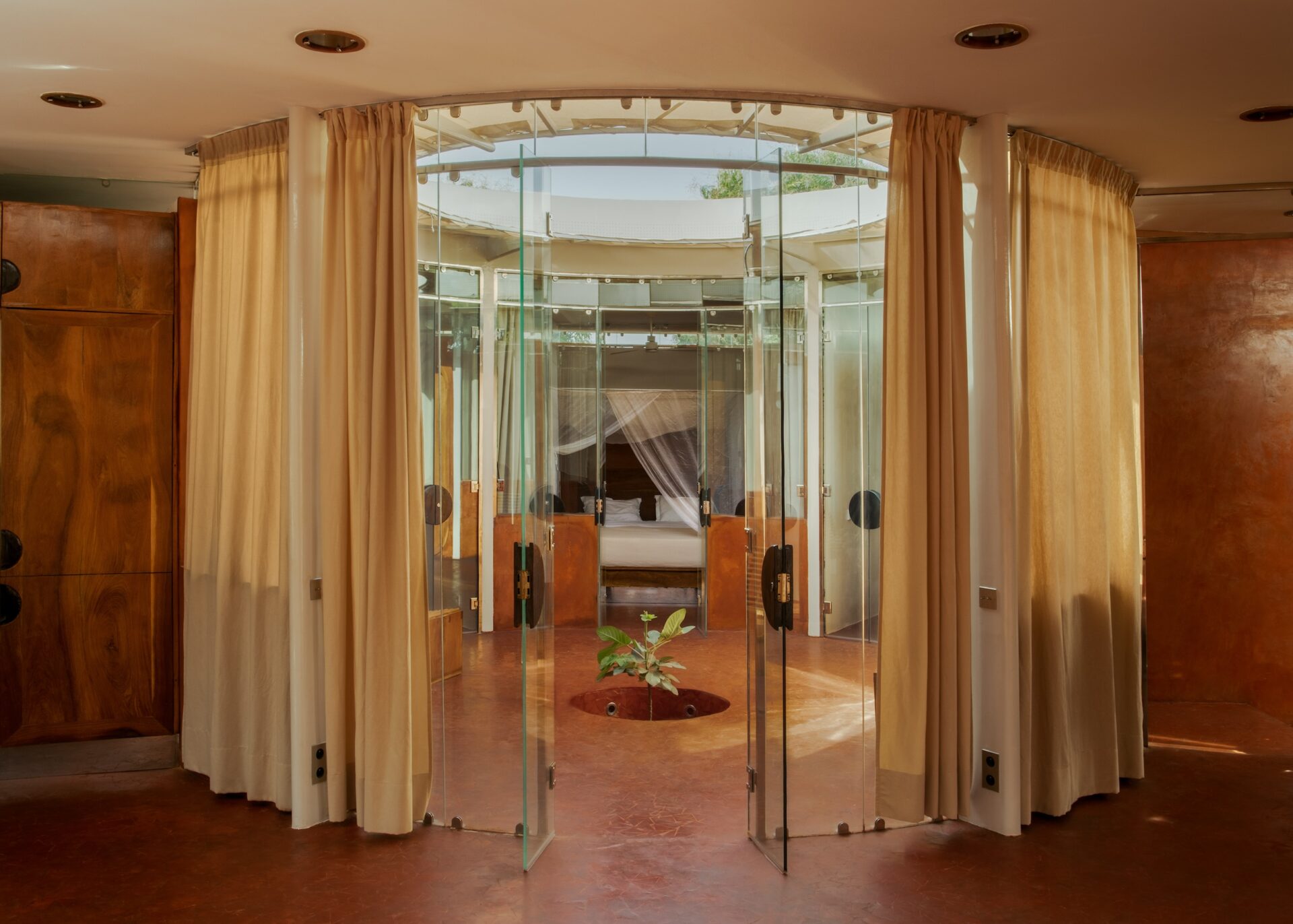
The starting point of this house in Ngaparou, Senegal, was not built architecture, but rather its absence. French architectural designer Cyrus Ardalan instead designed it around its central circular courtyard. In this introverted design – inspired by the impluvium houses of Senegal’s Casamance region, as well as traditional houses in Yazd, Iran – “the void is not just an empty space but a way of organising air, light and life,” says Ardalan.
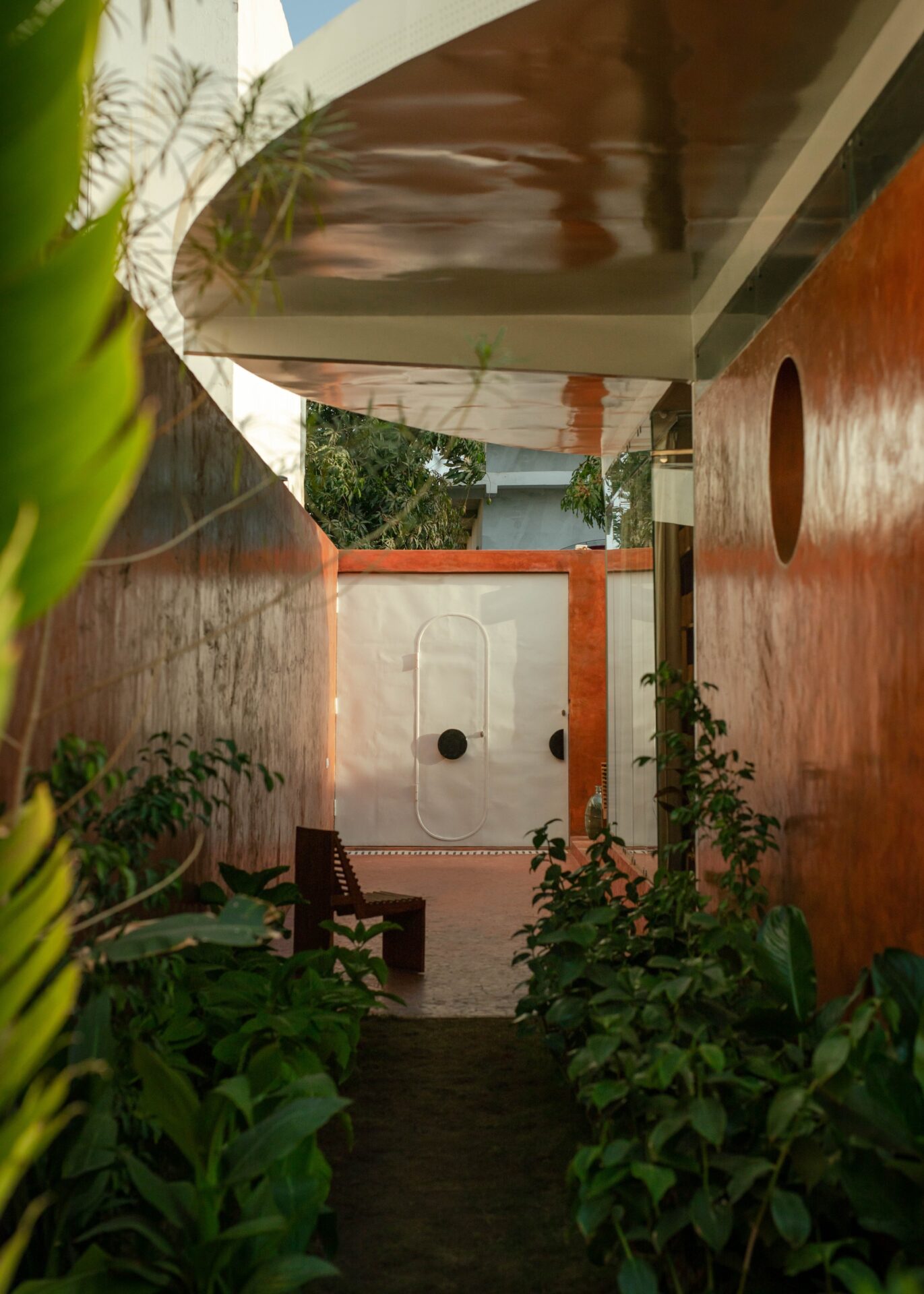
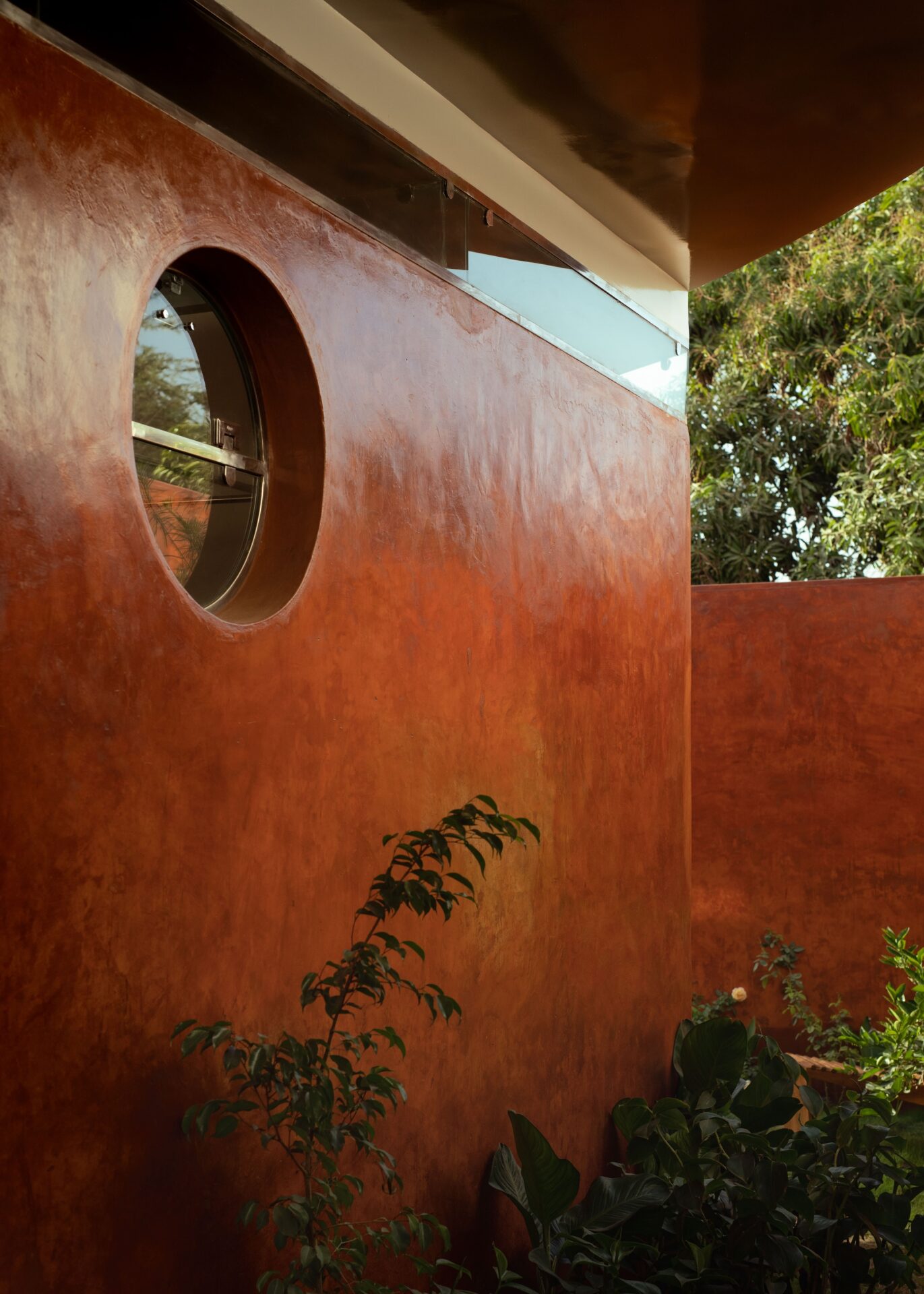
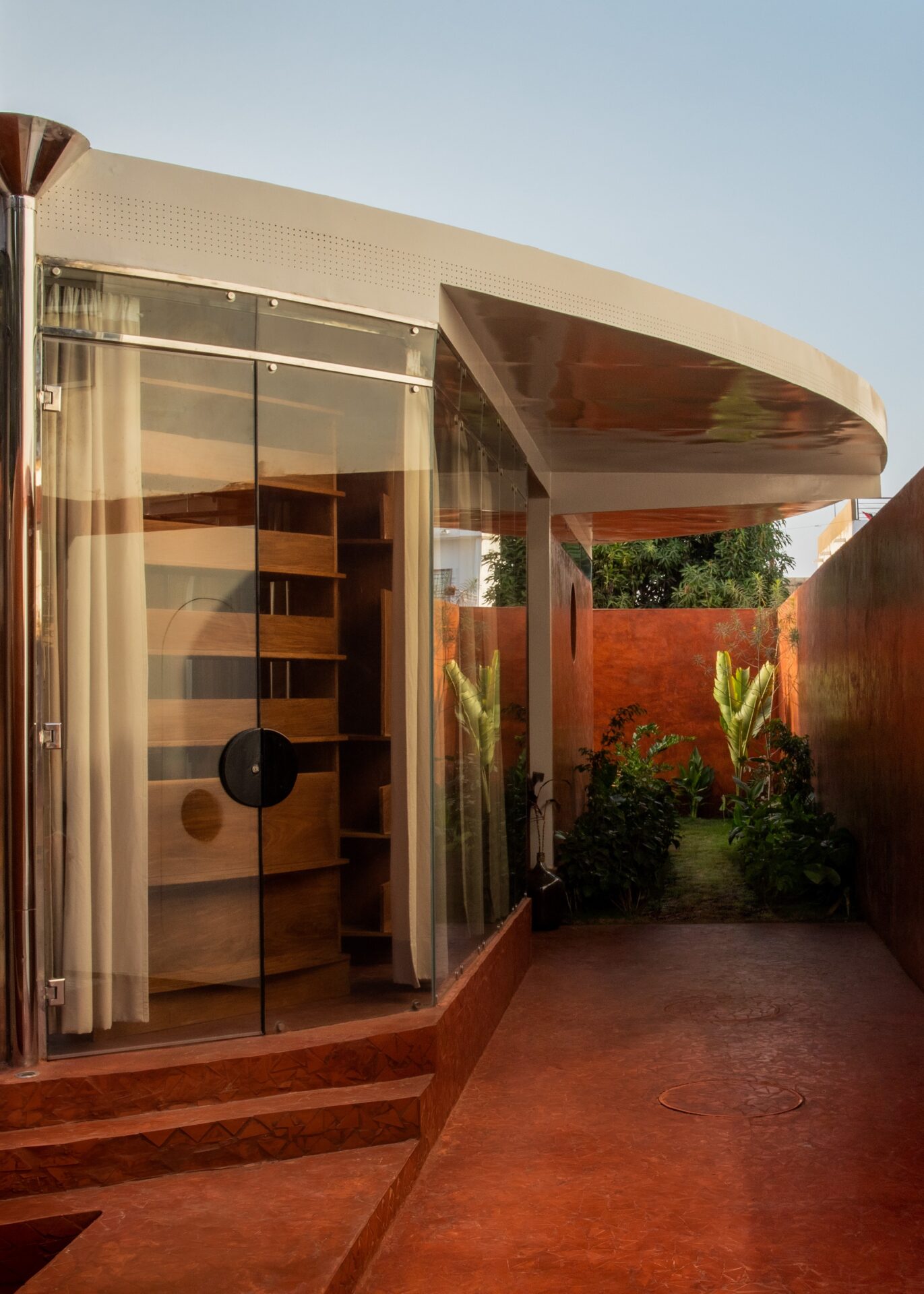
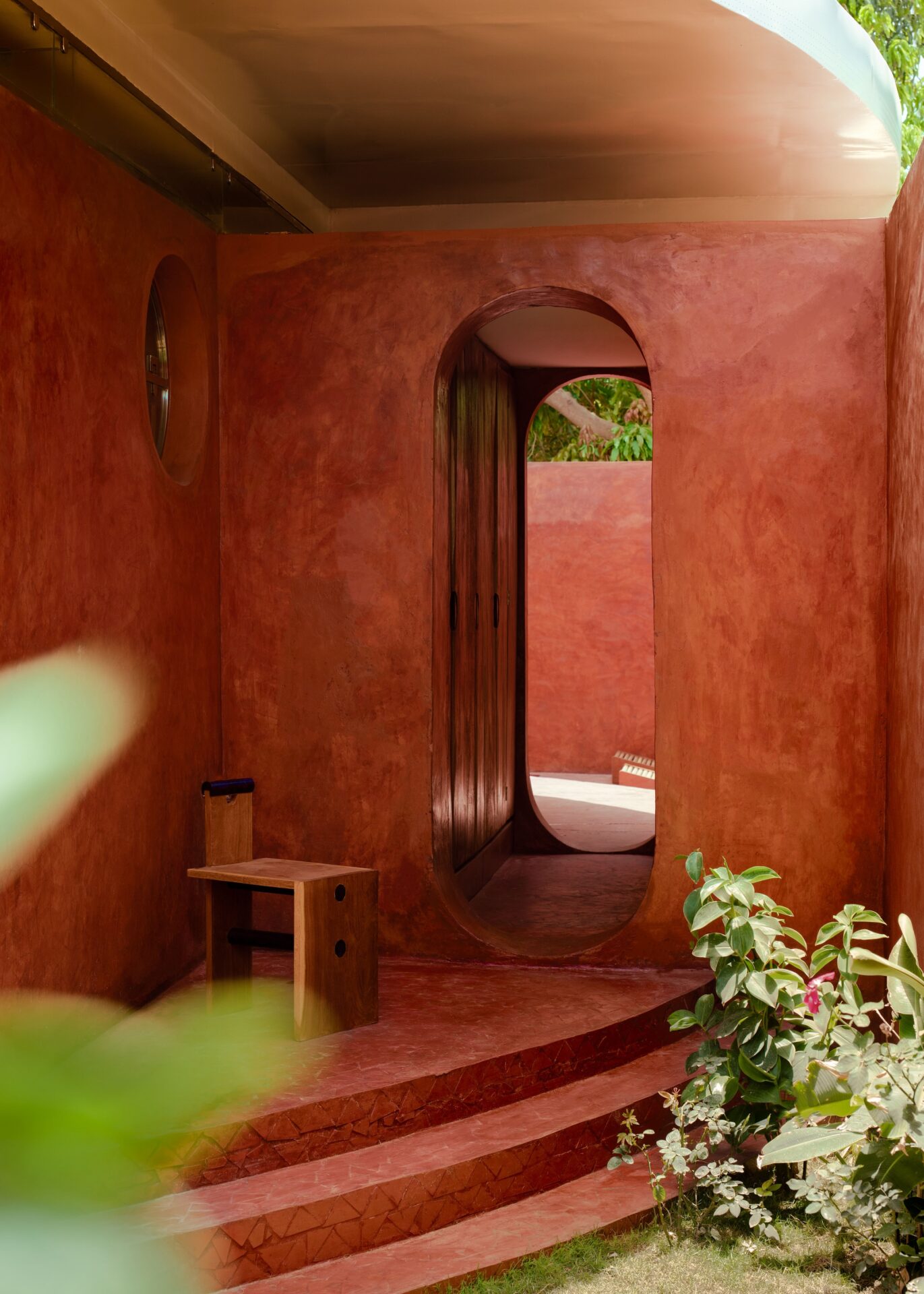
Model and photographer Malick Bodian commissioned the house, called Villa Aram, which is Ardalan’s first completed built work. The designer didn’t have any links to Senegal at the time, and initially worked on the project remotely due to Covid travel restrictions.
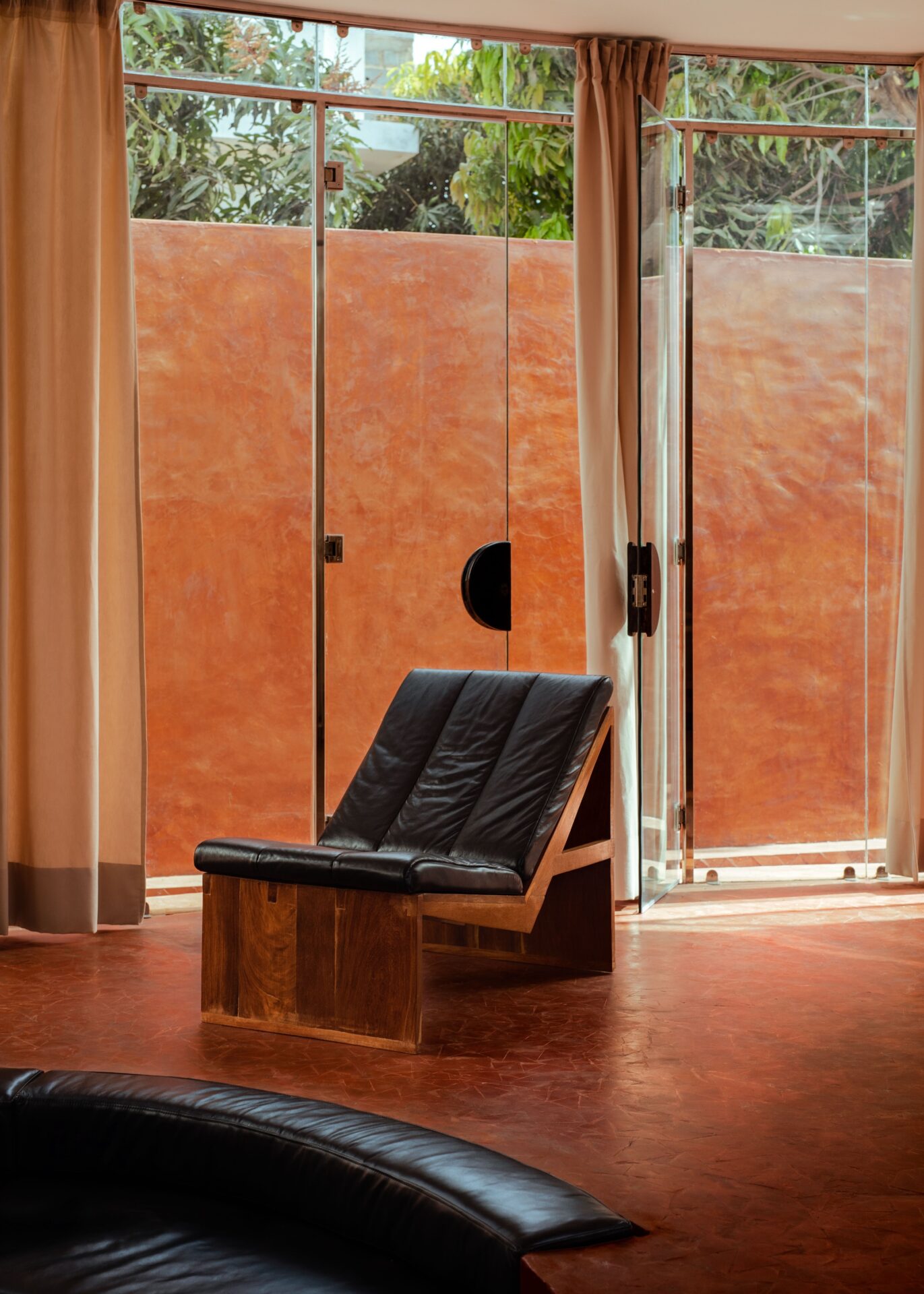
That was no bad thing, he says: “That constraint actually created a longer period of analysis – studying the climate, the typologies, the materials.” The walls and floors are made from compressed earth bricks, a traditional material that lends the project its distinctive burnished bronzed hue; the house has a more airy, lightweight appearance, its conical metal roof resting on a dozen columns, with fully glazed walls set in slim stainless-steel frames.
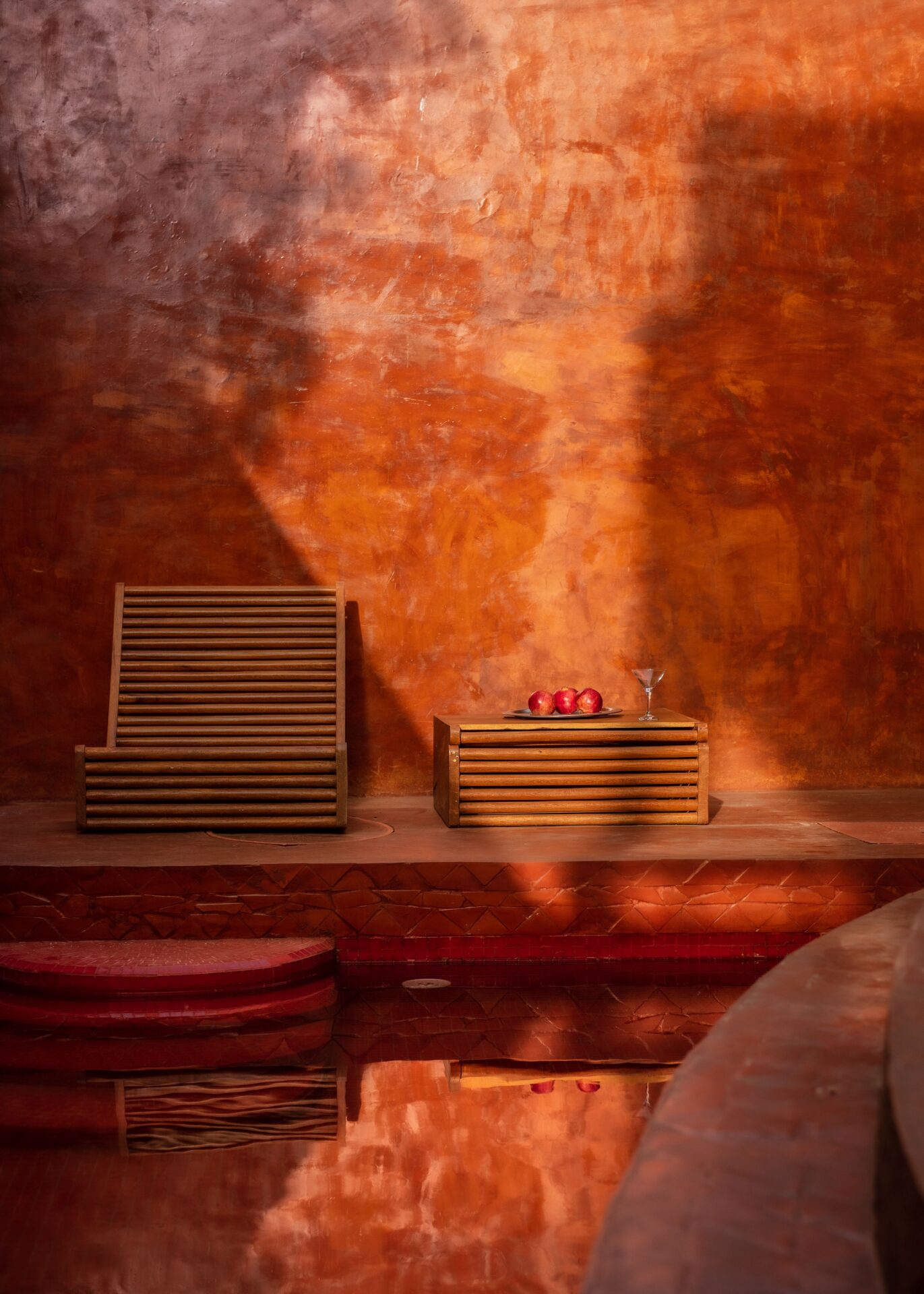
The urban plot didn’t have any significant outward views, which helped suggest the site layout: a circle, sat within a square. “Everything is organised around the courtyard, which becomes the reference point for the entire project,“ says Ardalan. It’s more than a spatial device, however, controlling light, temperature and ventilation, too. Rather than relying on mechanical cooling, the house uses passive strategies, including cross-ventilation, shading and orientation: the circular roof is ventilated, allowing hot air to escape; and its overhang protects the facades from direct sun. The roof is insulated with typha, a local plant whose invasive nature has seen it harnessed for everything from biofuels to building materials.
The bricks themselves help regulate temperature, too, slowly absorbing and releasing heat so there are no spikes. With time, as the plants grow, the courtyard will become even more lush, shaded and cool.
We worked with local artisans and builders, and that was fundamental. There’s a very direct relationship to making – materials are understood through practice, through repetition
With travel restrictions lifted, Ardalan went to Senegal to oversee the construction work. “We worked with local artisans and builders, and that was fundamental,” he says. “There’s a very direct relationship to making – materials are understood through practice, through repetition.
“What I found particularly striking is the clarity of the process. Each person has a defined role, and decisions are taken in a very pragmatic way. That creates a kind of precision – not through complexity, but through simplicity and consistency.”
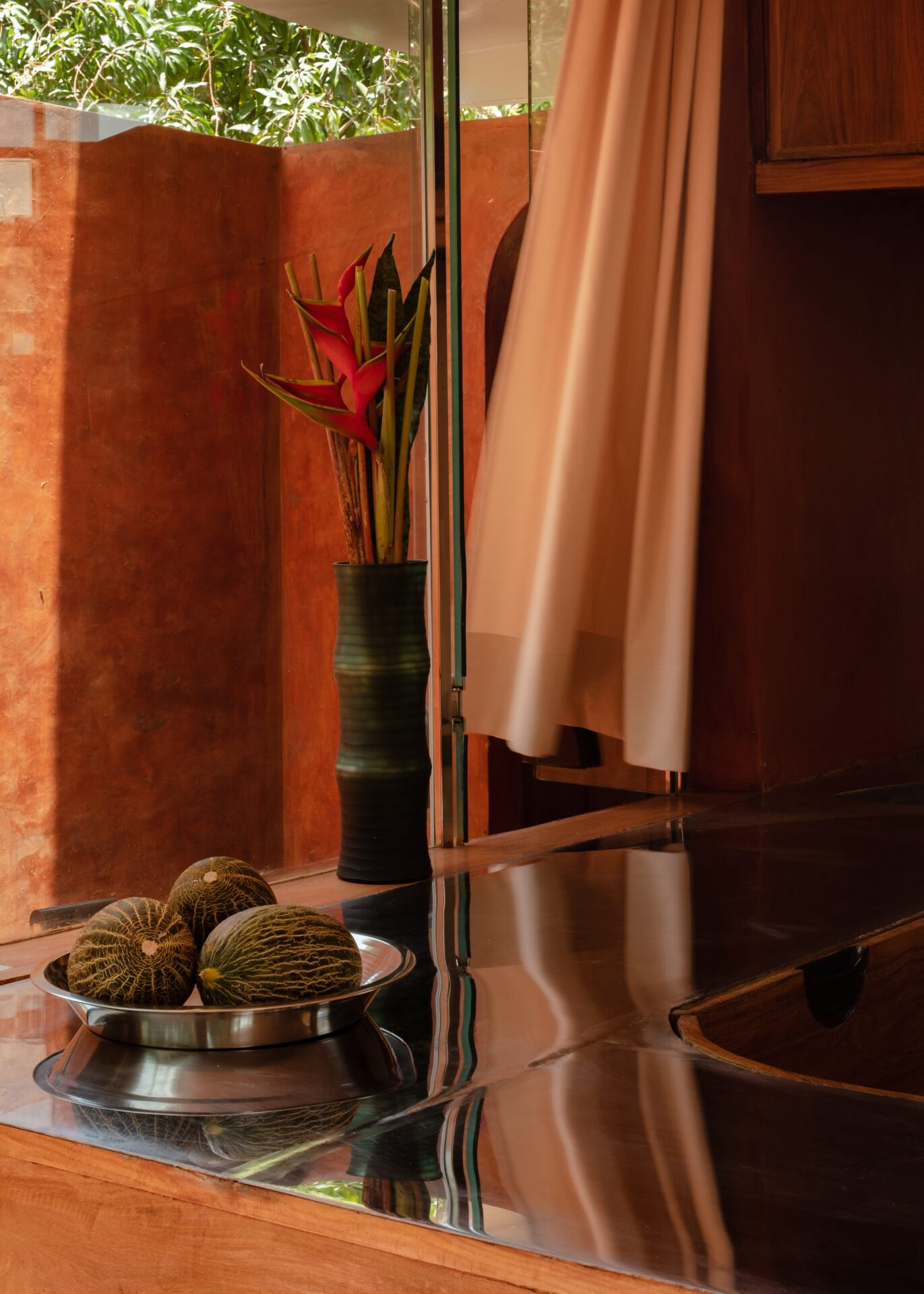
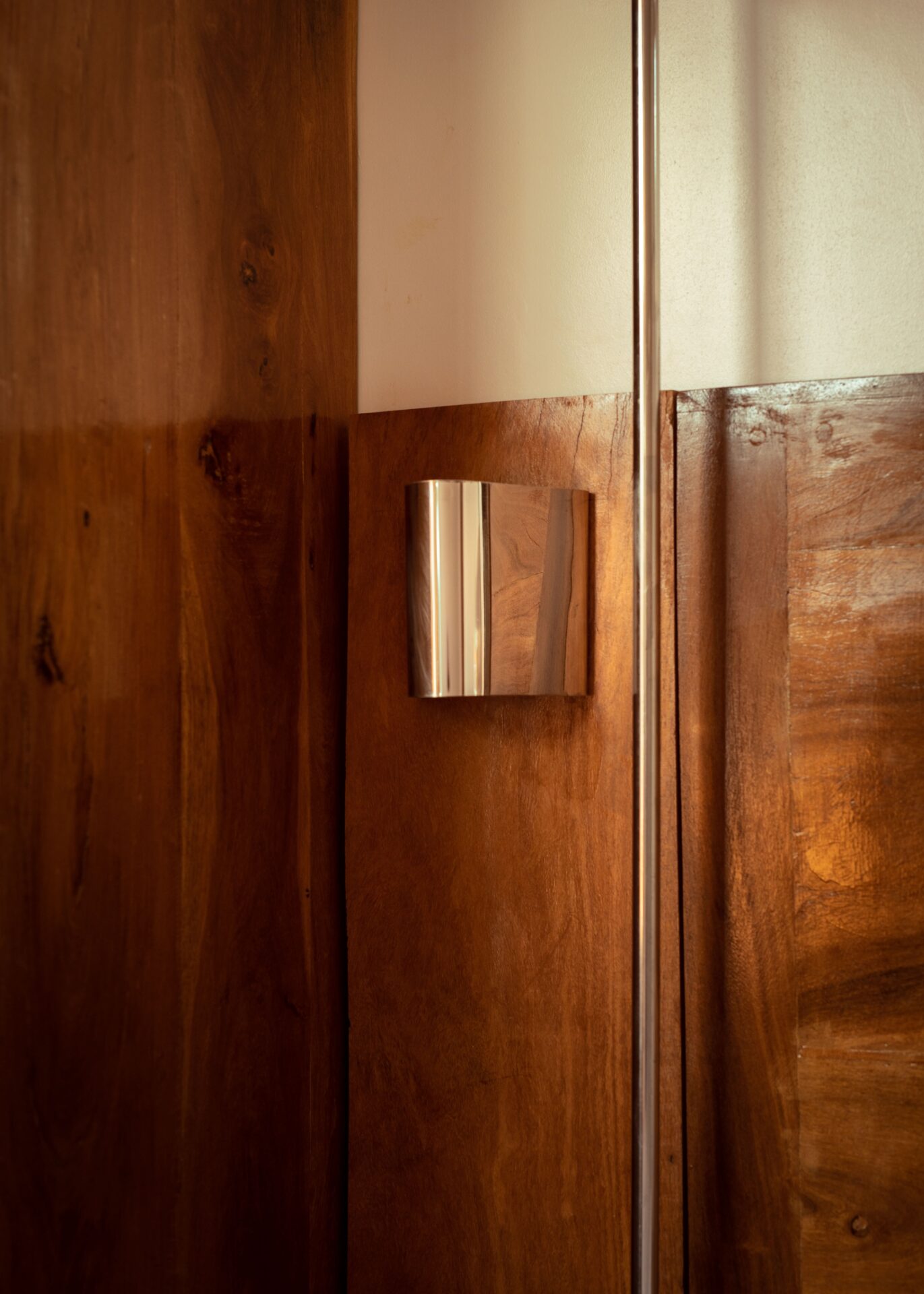
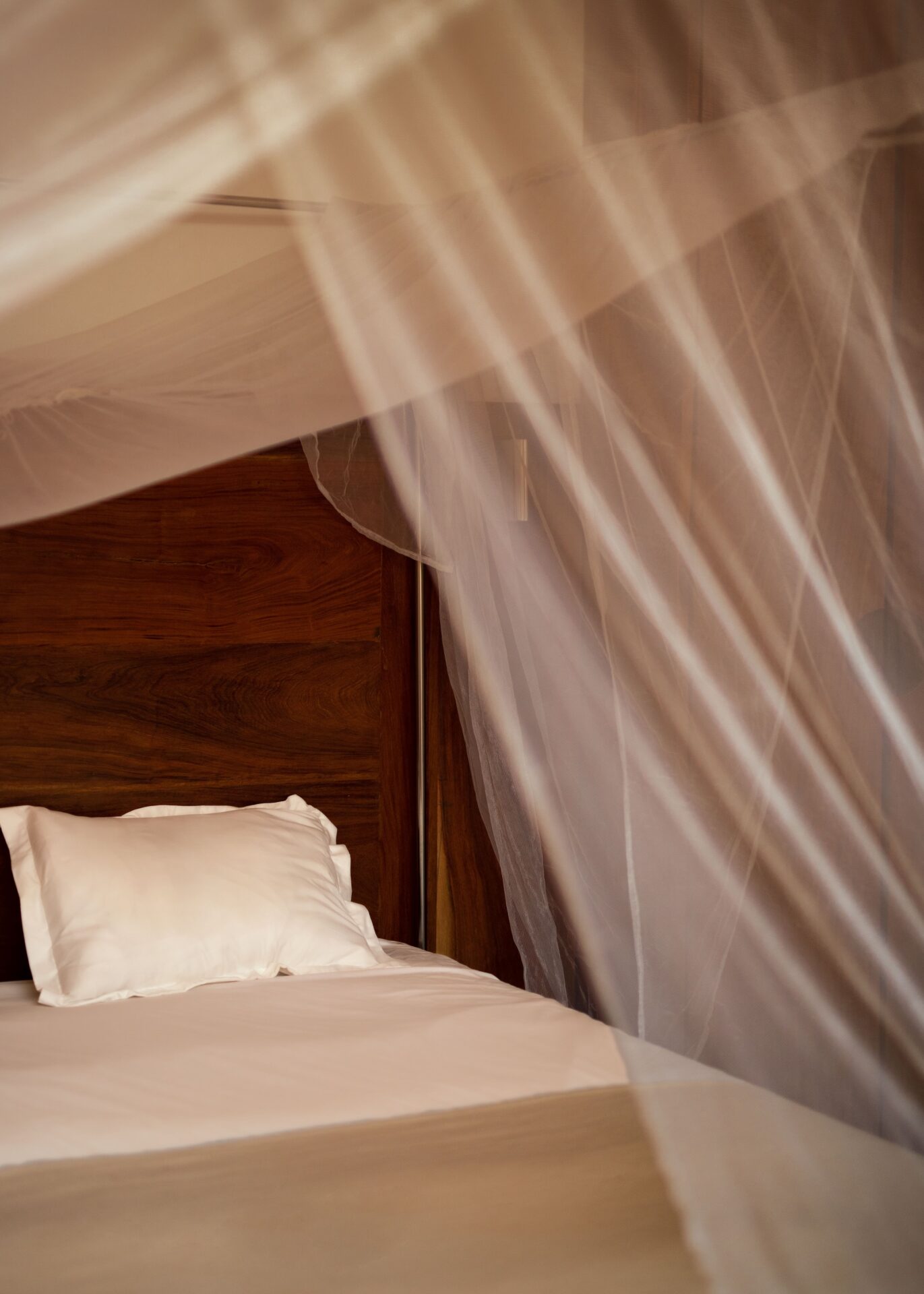
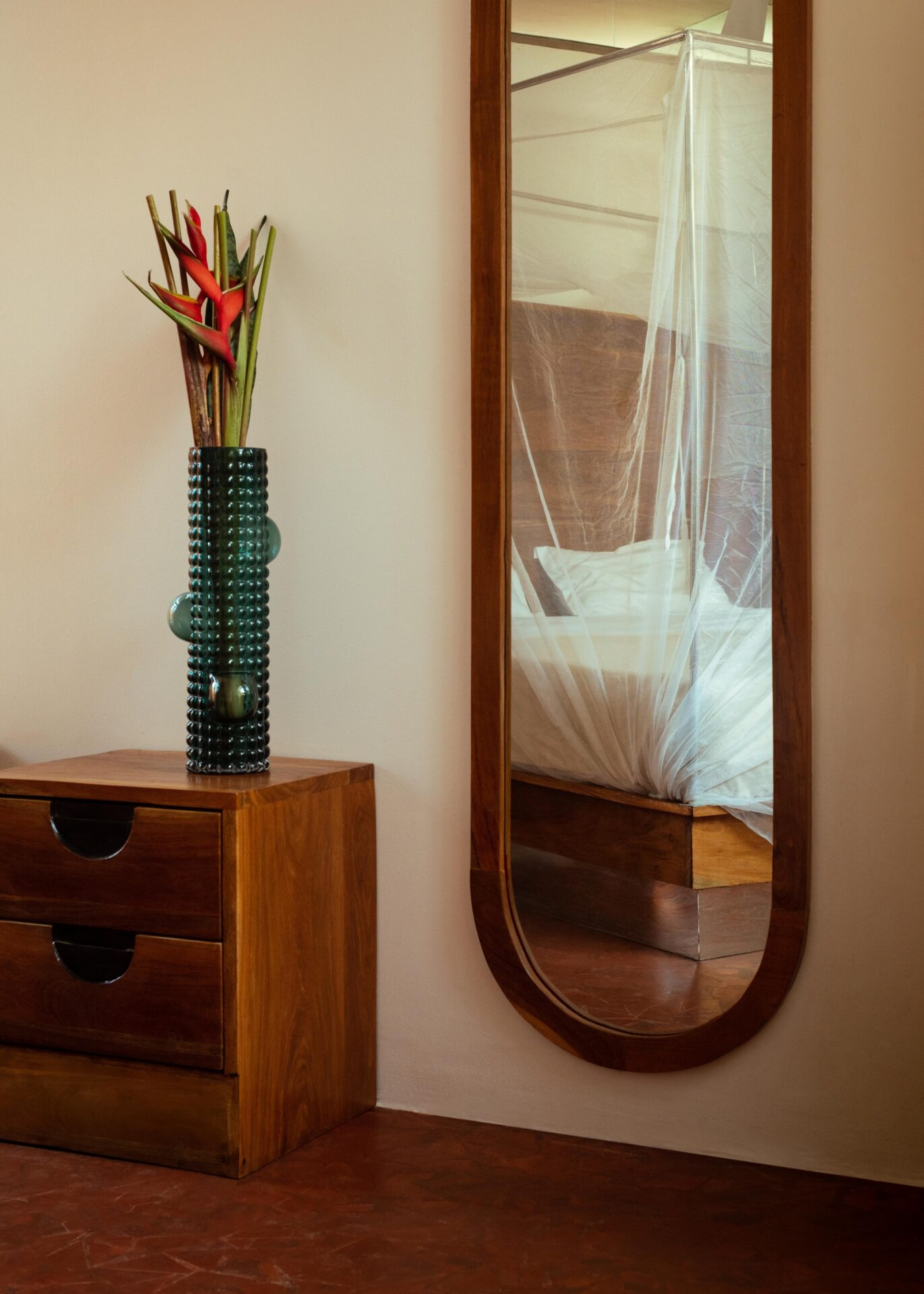
Inside, Ardalan designed the furniture and fittings, too, from the door handles to the sunken sofa, lending the project a particular coherence. “From the beginning, I think about all scales at the same time – from the overall structure down to the detail of a handle,” he says. Undyed cotton curtains soften all the interior spaces, and the timber used (for example for the kitchen, with its circular built-in table extending from the peninsula), is sustainably sourced dimb, a local tropical hardwood that has that same tawny richness as the earth walls.
For Ardalan, Villa Aram has established ideas that continue to define his practice. “What I’m interested in is an architecture of adjustment,” he says – that is, one shaped by site, climate and available materials, while maintaining a coherence between the small details and the big picture.