Design in Dialogue
Inside Spazio Leone, the east London gallery where Gennaro Leone’s intuitively assembled portfolio of pieces aims to spark curiosity
What does it take to be a great dealer in design? Gennaro Leone, founder of east London gallery Spazio Leone, seems to possess the perfect qualities. Passionate, personable and perceptive, he says that “clients come to us because we always make it very personal. Either I put myself 100% into something, or I don’t do it.”
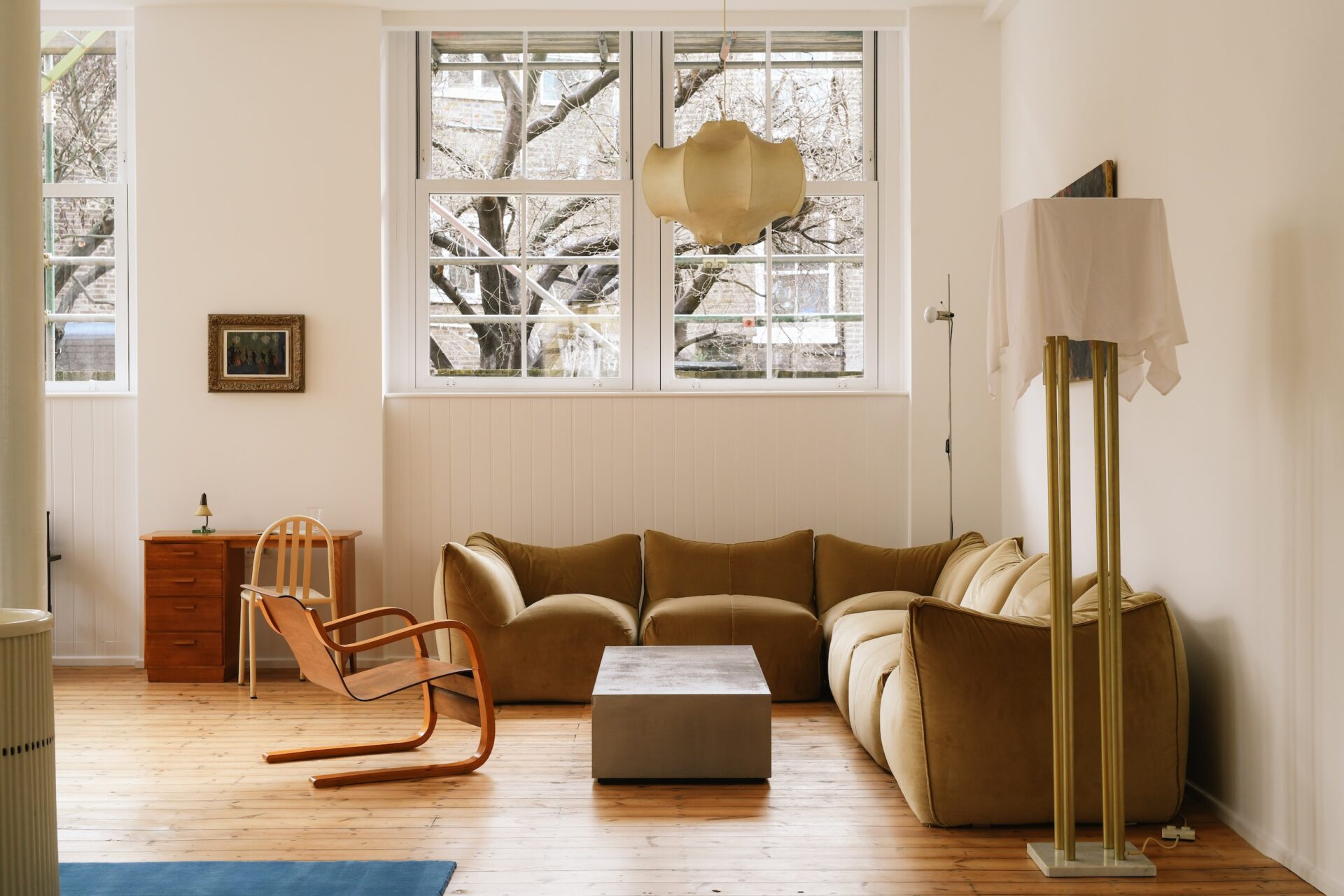
Until recently there was only one thing missing from the mix: a way to embody all this in a physical space. Now, that’s been remedied with the opening of a dedicated gallery in Hackney. “I was getting frustrated with the old space, which was shared,” says Leone. “I was tired of just being able to show one piece at a time on Instagram. You lose the speciality, the craft of it.” He chose this building, a former Victorian textile factory, because its airy openness and cast-iron columns reminded him of a Tribeca loft: “I always wanted something that was intimate – more like a home, really. In New York, you’ll find a lot of galleries like this, but not in London.”
Against white walls and bare timber floors, the gallery hosts a rotating collection of art and design, drawn from a much larger collection of 400 pieces that Leone stores in an out-of-town depot. As far as his buying parameters go, he gives himself free rein: “We haven’t followed any style or period, it’s just what makes sense to us. Something might have a shape, or an energy… when I see a piece, it’s a reaction that I’m interested in. If it doesn’t tell me anything, most of the time I don’t buy it.”
When I see a piece, it’s a reaction that I’m interested in. If it doesn't tell me anything, most of the time I don't buy it
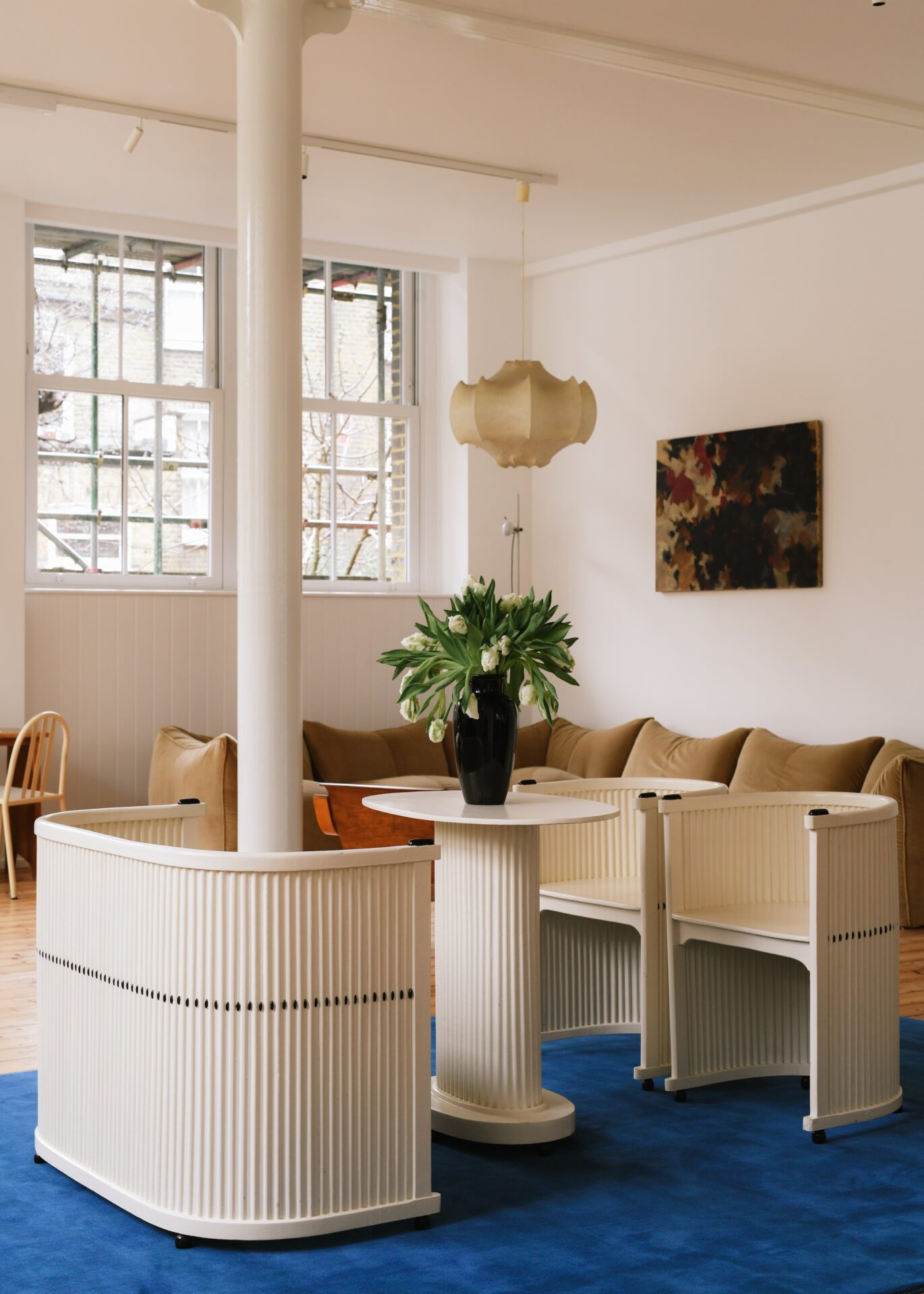
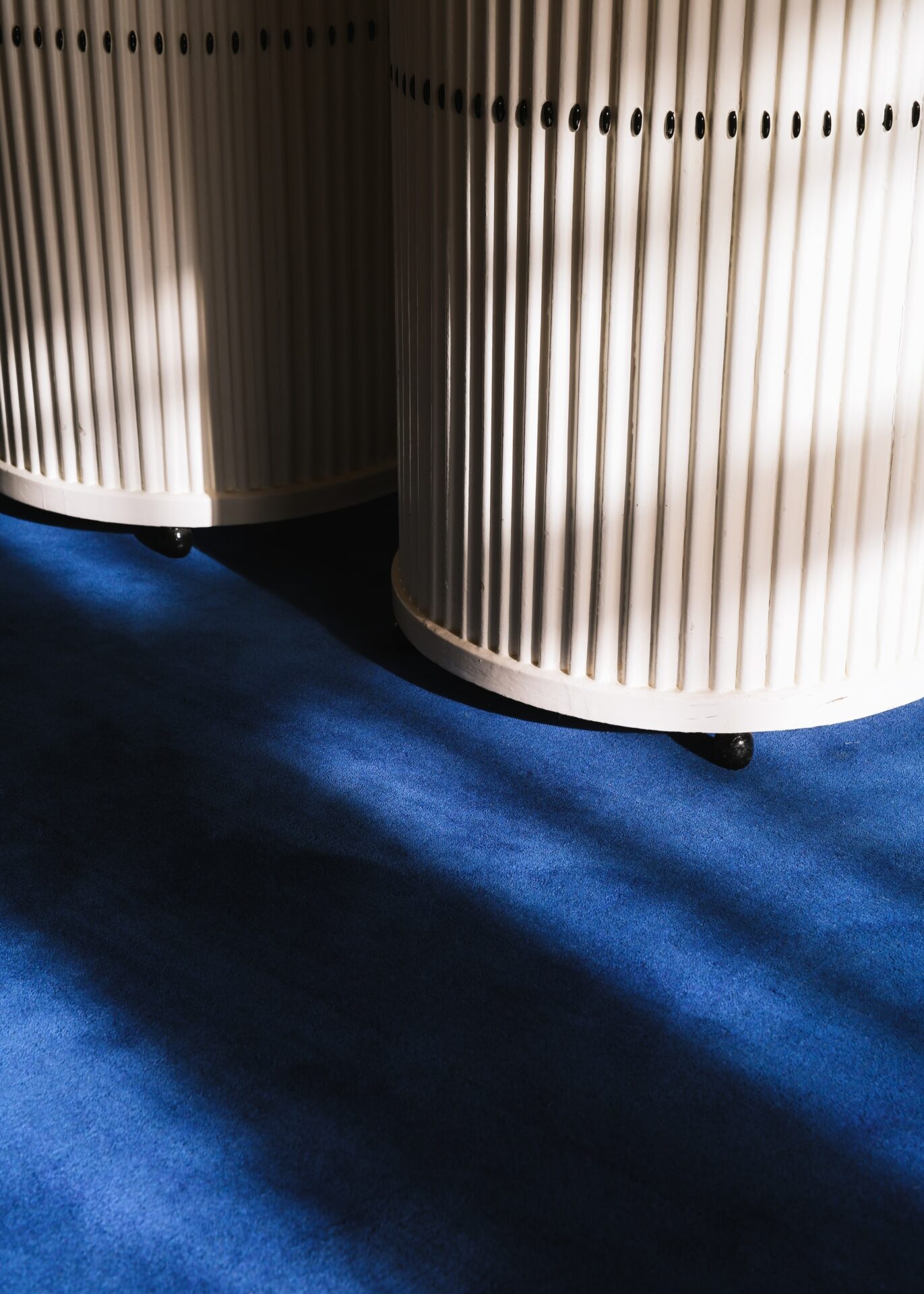
That said, there is a thread here, with most work originating in 20th-century Europe, and lots from Italy, like a late-1970s Bambole sofa by Mario Bellini for B&B Italia, its undulating modular sections coming together to create an invitingly bouncy form; or a pair of elegantly slimline Luigi Caccia Dominioni 1950s chair. Much of it has a sculptural quality, and nearly everything makes you intrigued to know more. Leone points to one of his favourite pieces, an early-20th-century dining set by the German designer Hans Günther Reinstein: curiously, it’s made from curved, corrugated cardboard, and has a modernity that defies its age. In the gallery, its silhouette pings into life against its immediate setting, an electric-blue Nordic Knots rug.
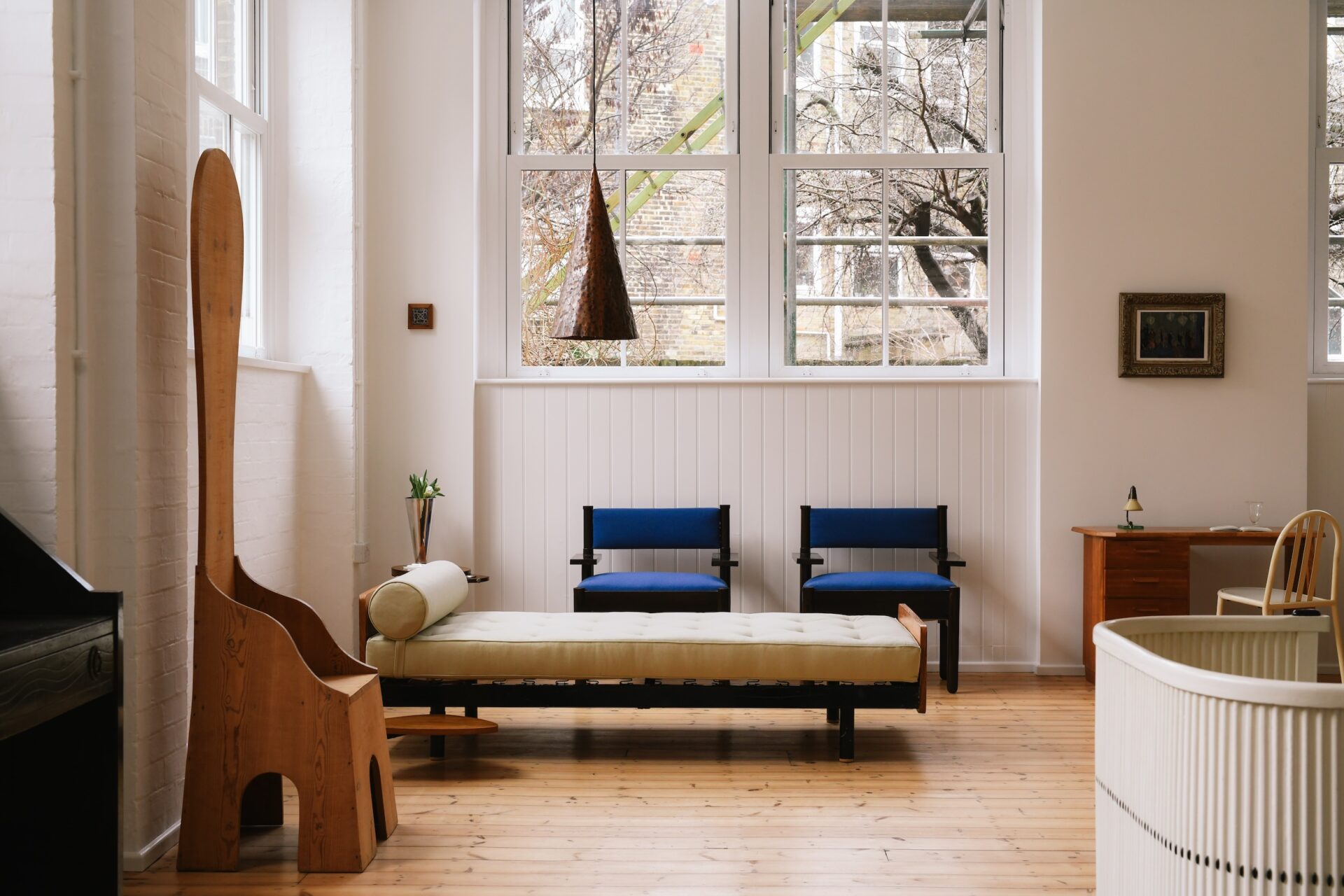
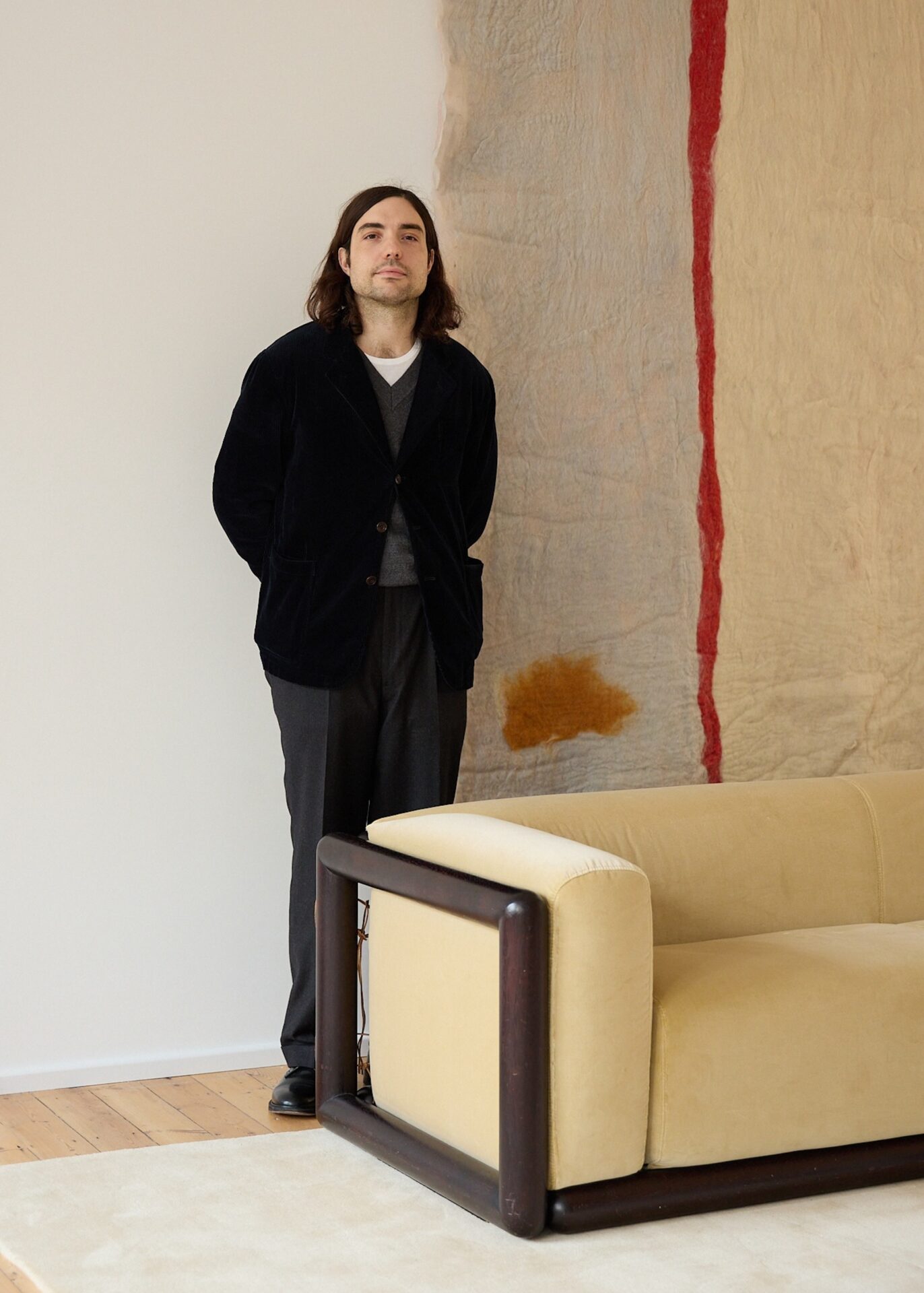
Spazio Leone counts among his clients interior designers Kelly Wearstler (who has earmarked a 1970s Carlo Scarpa sofa and chairs taking pride of place in the gallery), Tatiana von Stein and Hollie Bowden. Leone gets his pieces reupholstered at a workshop in Italy, and sometimes the turnover is so fast that he won’t even get to see an object in person, since it’ll be shipped straight to the end user. This kind of thing can only happen when there is deep trust between all the parties involved, and Leone’s consummate people skills are clearly his superpower. “I like to work with people who I think are incredible,” he says. “I want to work with the best.”
Naples-born Leone came to his design career from being a collector himself, drawn in by the people he met and the stories he heard along the way. He originally came to London via the music industry, ending up curating the programme at behemoth club promoter Boiler Room.
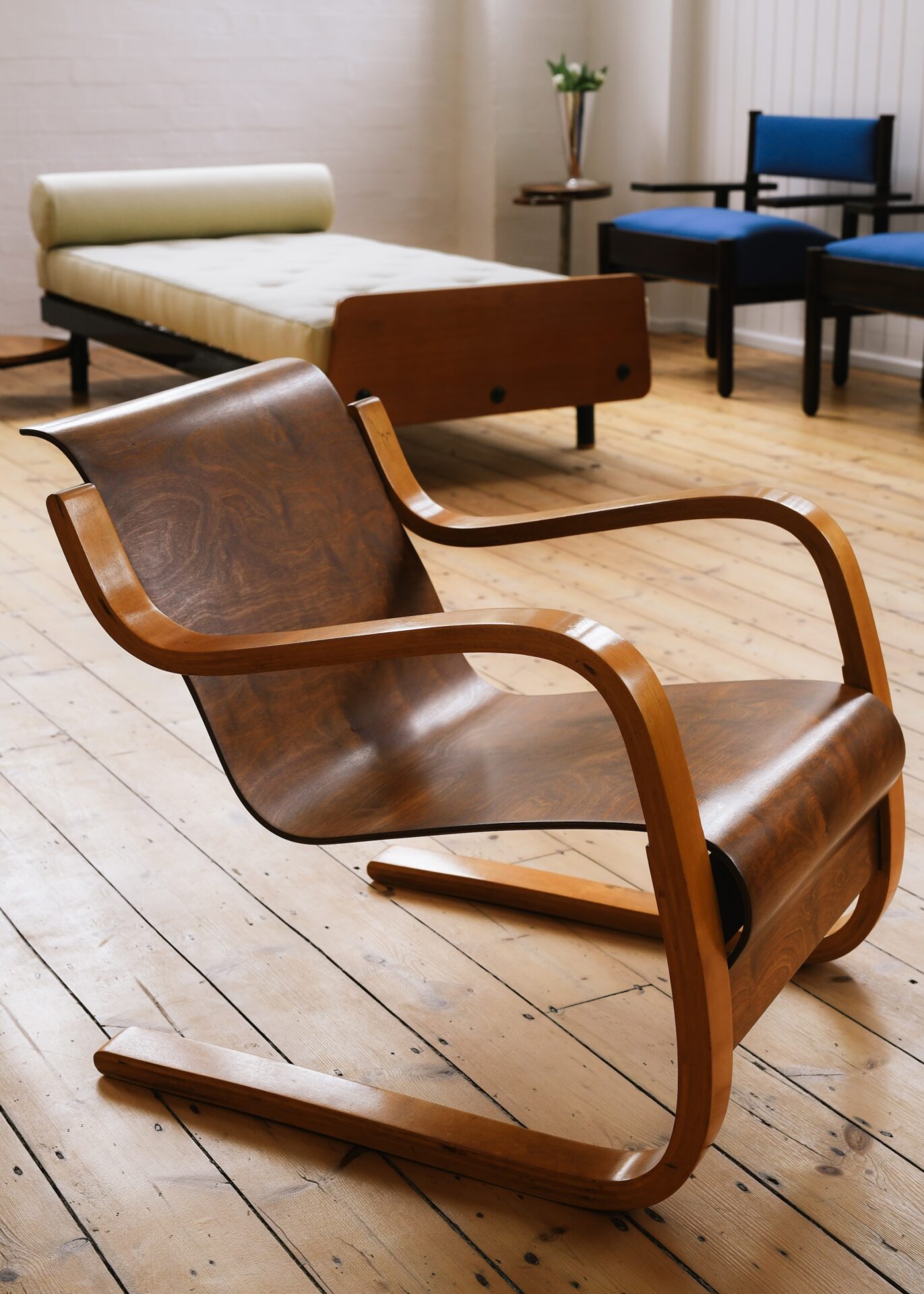
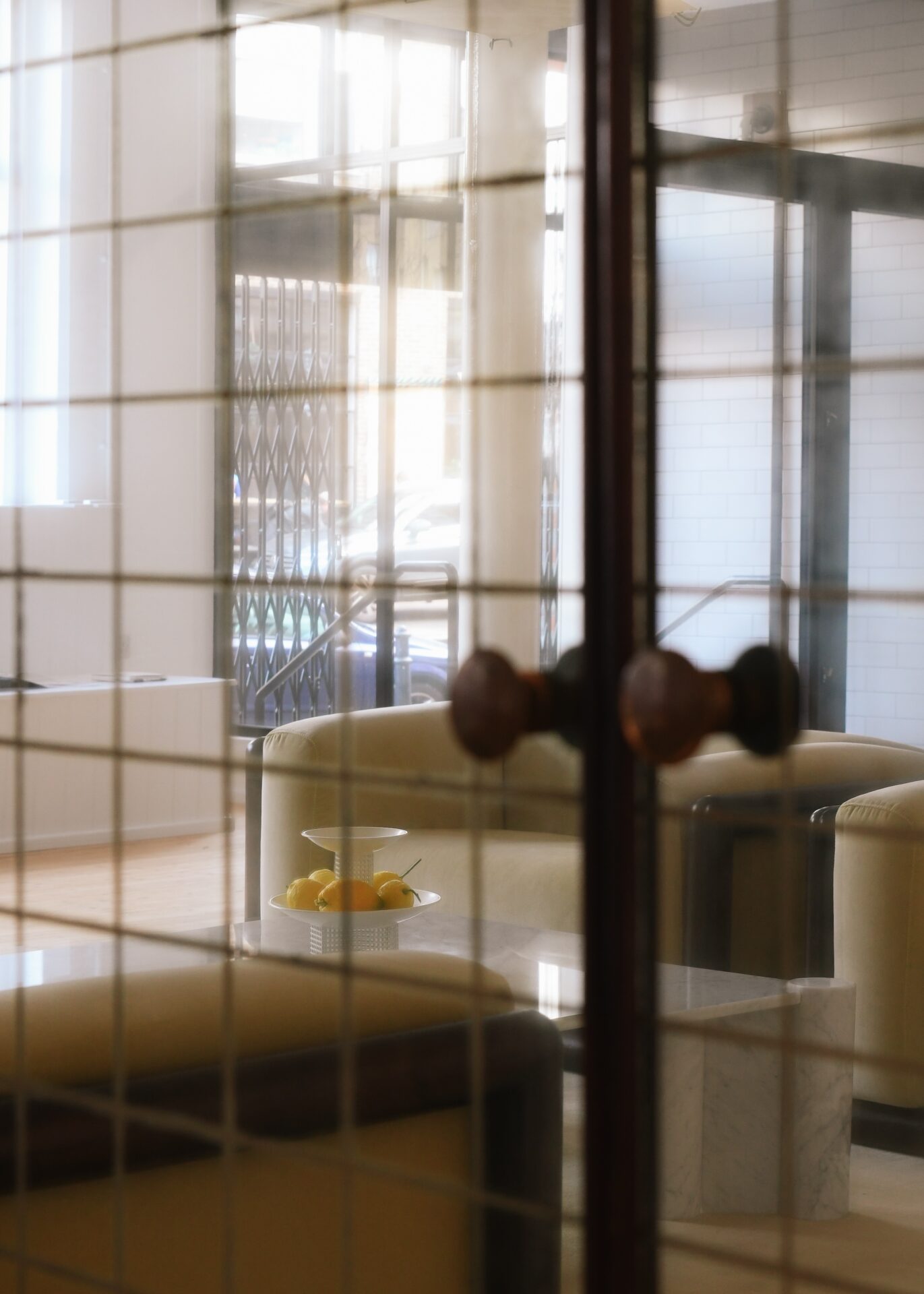
In 2020, Spazio Leone was born. As well as being a selling gallery, its stock is available for private hire: Leone explains how he recently lent 50 pieces from his collection at short notice for British Vogue and GQ’s recent BAFTA after-party at Simpson’s, and it gives a small glimpse into his can-do attitude: “Our courier unloaded it all at 6am, they did the event the same day and by 7am the day after, everything was back in my warehouse.”
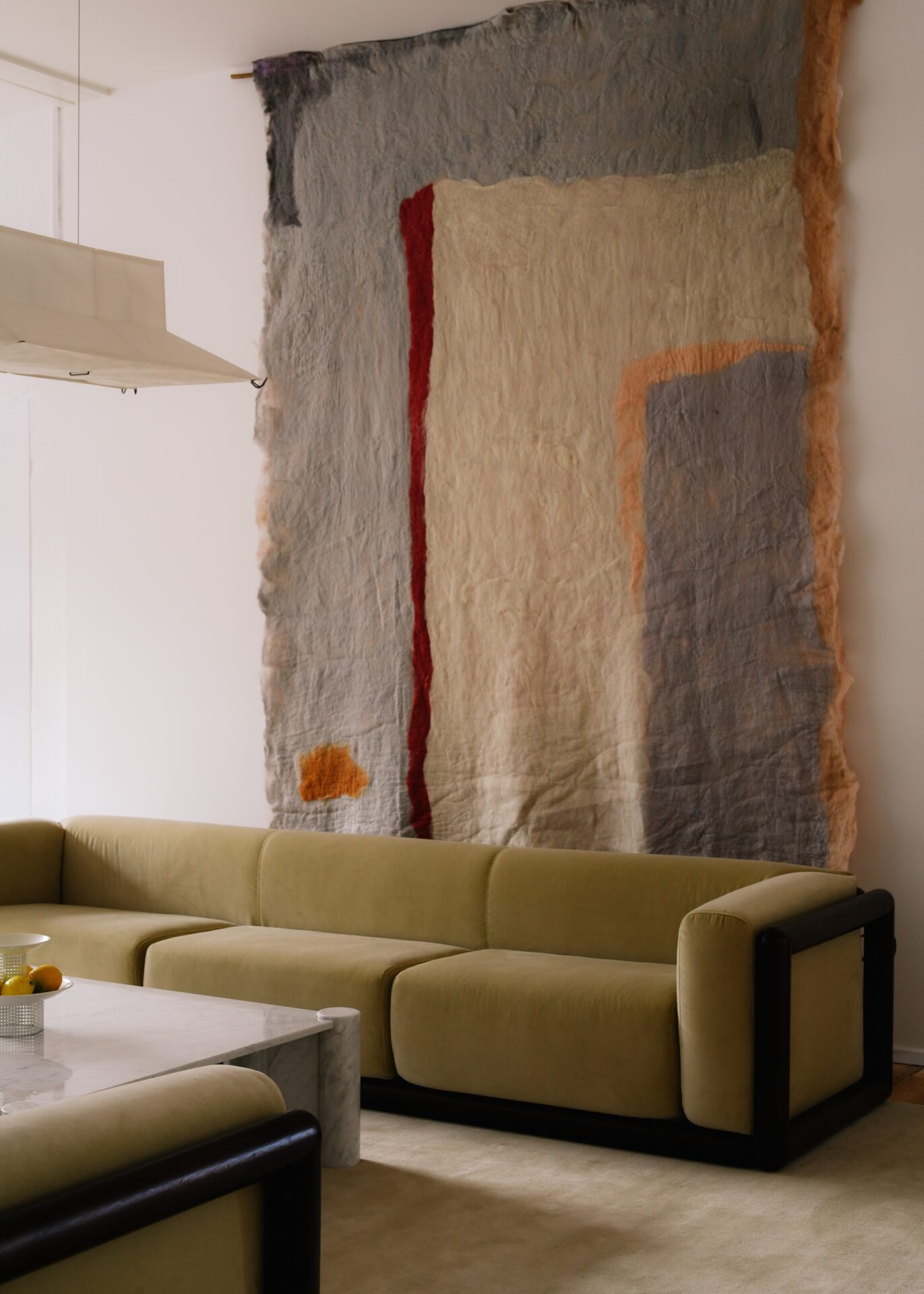
There are other strings to his bow, too: he runs nearby Italian restaurant Dalla with his brother, and also takes on interior design and art direction projects too (the hospitality and design side will come together in a forthcoming project he’s working on for Hoxton’s Museum of the Home). Finally, the gallery also supports contemporary artists and makers: he currently championing Georgian artist Mariana Chokina, whose striking abstract felted-wool wall-hanging fills one of the walls.
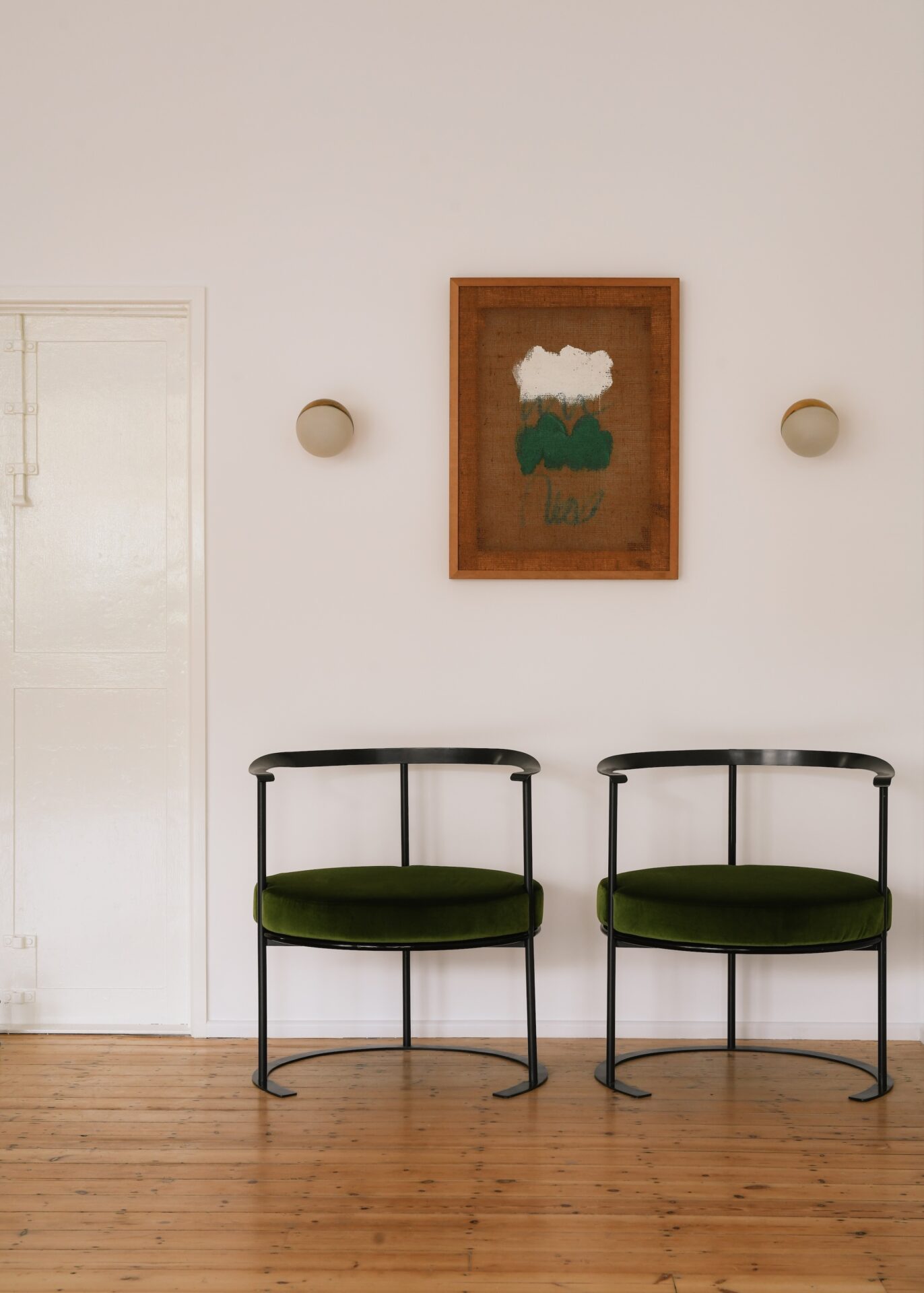
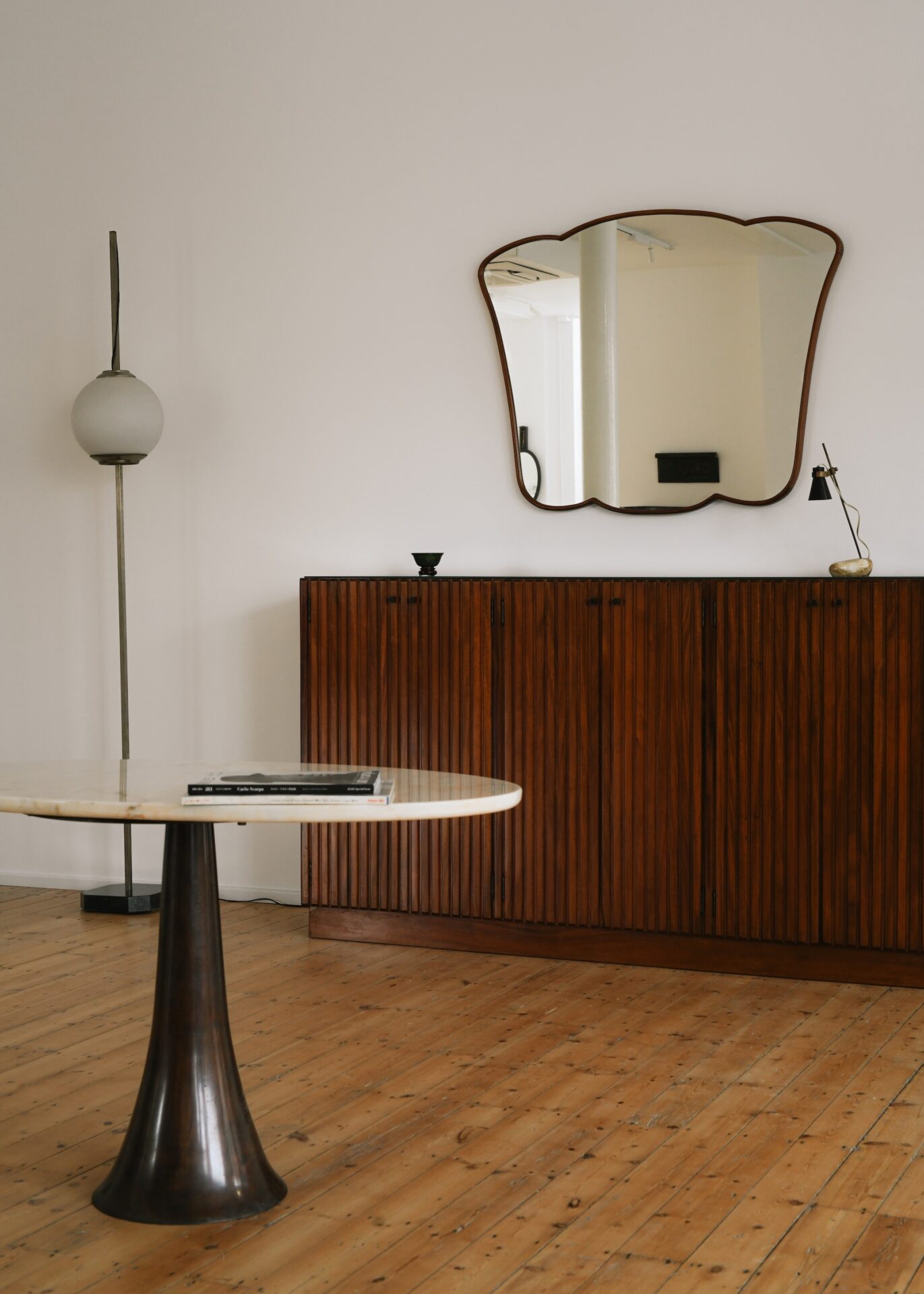
Leone says that, despite an expanding empire, he wants to retain that personal feel, whether in his valued relationships with the dealers in Europe he’s got to know over the years, with his own clients, or with anyone who walks into the gallery and is as passionate about design as he is. “I never stop thinking, looking and talking to people,” he says. “I’m just very interested.”