A Home for Collectors
Inspired by its neighbour, the British Museum, the new Zetter Bloomsbury hotel brings global antiques, postwar British art and hundreds of handmade details into six Georgian townhouses
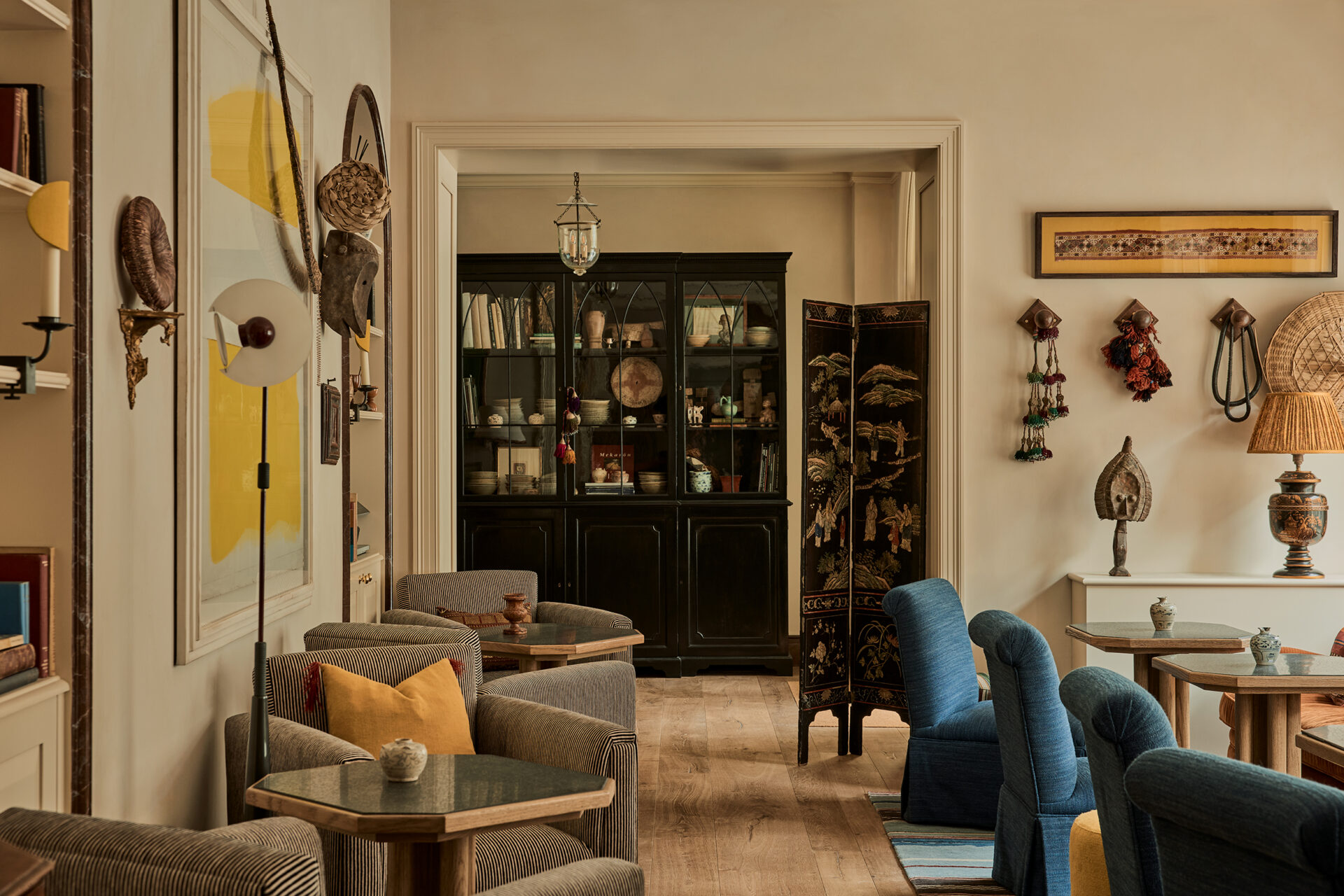
Bloomsbury has long been one of London’s creative and literary centres, and its most imposing expression of culture sits behind the colonnaded façade of the British Museum. Home to at least eight million objects, only a fraction of which are on display at any one time, it is the inspiration behind the interiors of The Zetter Bloomsbury by London-based interior designer James Thurstan Waterworth, founder of Thurstan. Set across six interconnected Georgian townhouses opposite the museum, the new 68-room hotel shares the same spirit of curiosity and collecting.
“Because of the British Museum next door, we leaned into a mix of cultures: African, Oceanic, Asian, American, European,” says Waterworth. To achieve this ambitious vision, Thurstan approached the project through the idea of a collected interior shaped by travel and the slow accumulation of objects. Over four years, the studio sourced pieces through auctions, dealers, markets and research trips, bringing together everything from African textiles, Turkish rugs, and South American fabrics, to Asian decorative works and postwar British art.
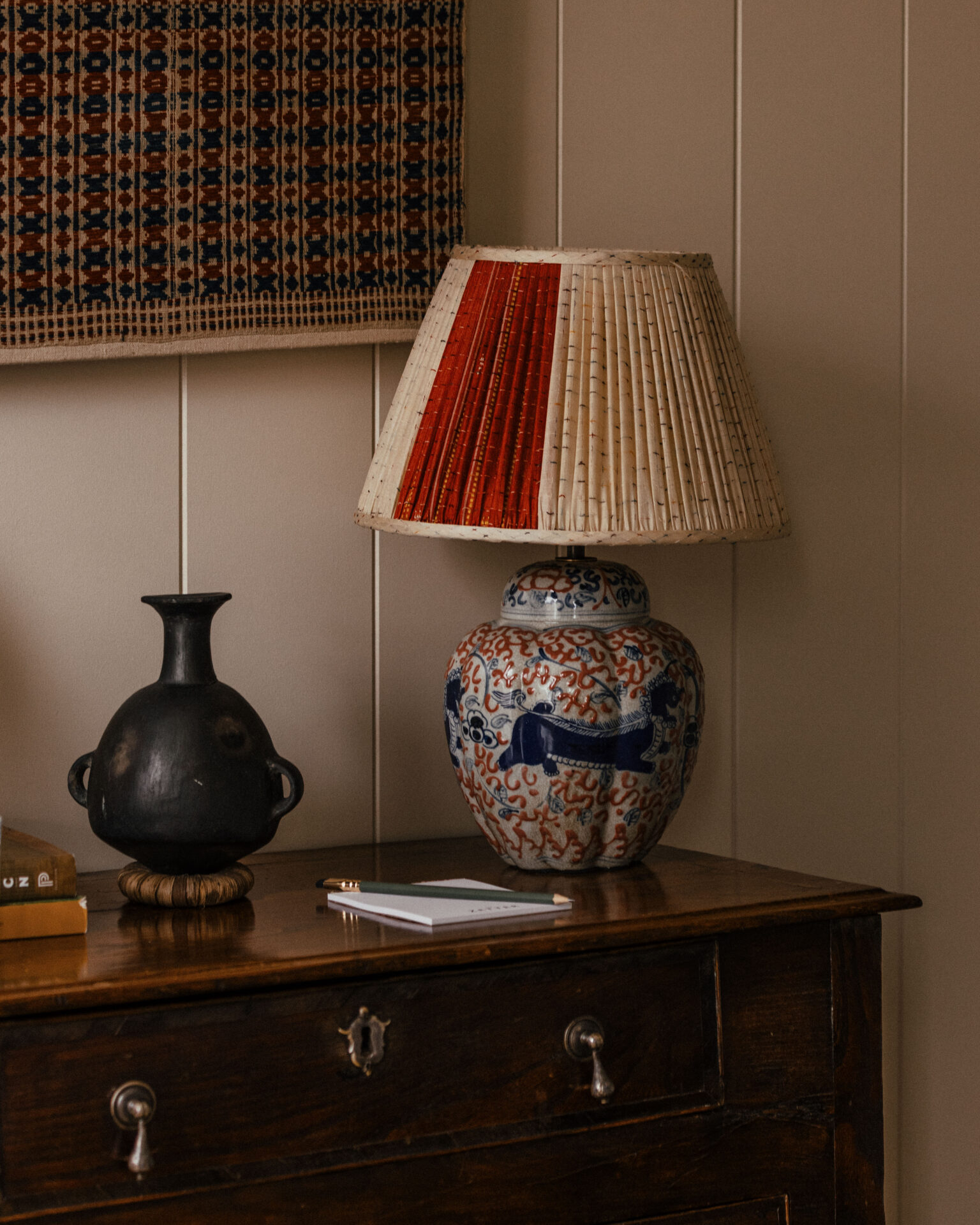
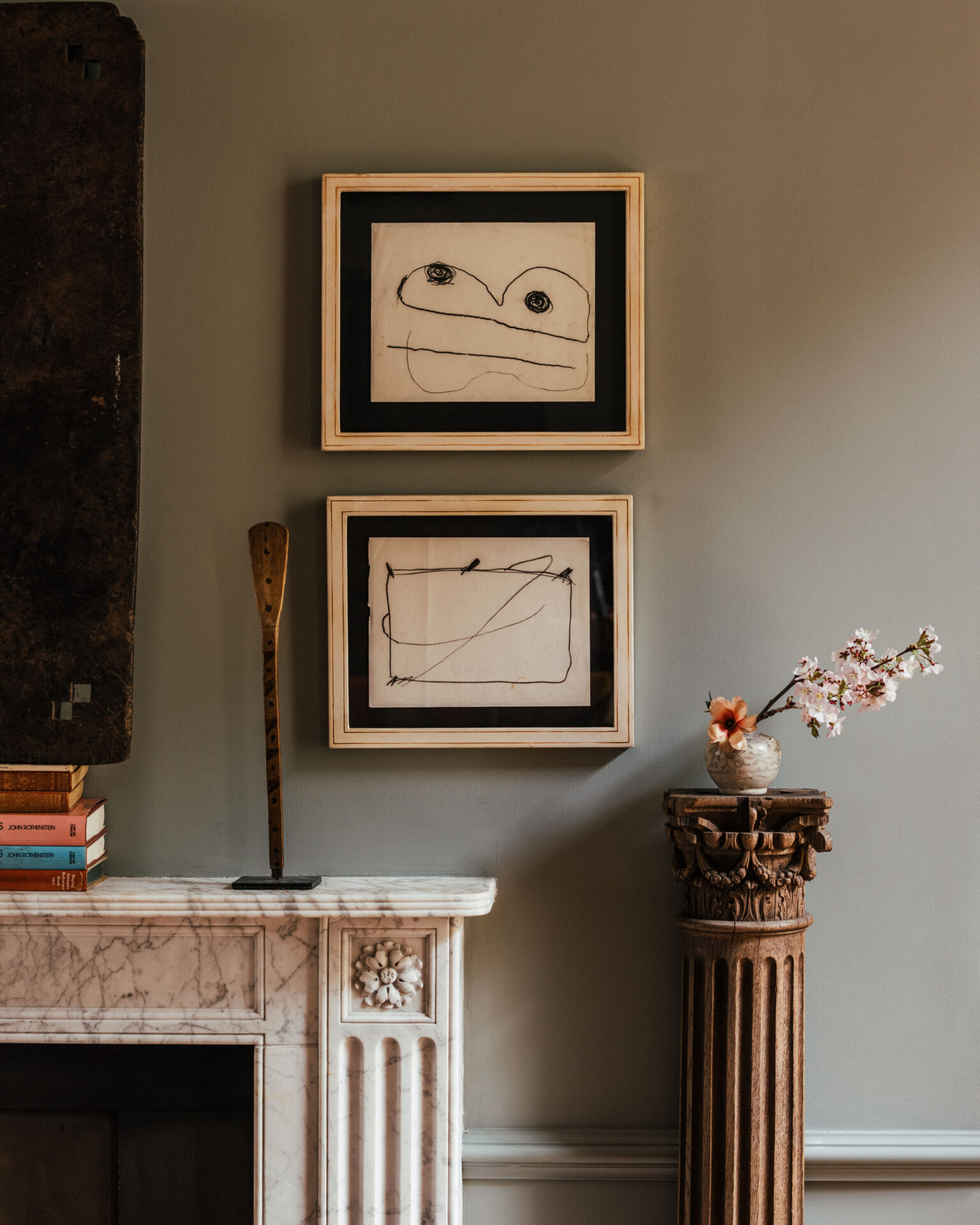
The resulting collection is dizzying in its scope. There are more than 500 bespoke cushions crafted from antique textiles, and over 450 handmade lampshades. Rugs have been transformed into ottomans; vintage textiles reworked into upholstery, headboards and lampshades; and Georgian cabinets subtly adapted to conceal heating systems. There are 18th-century mirrors from the south of France, a 19th-century Chinese piece with its original receipt, ancient Egyptian objects, and a library of more than 600 vintage art and auction catalogues from houses such as Sotheby’s and Christie’s.
Art is also central to the interior, with works by Sandra Blow, Roger Hilton and Terry Frost sitting alongside found photographs and unexpected finds from estate sales. Some works were inspired by rugs Waterworth studied in the British Museum; and others by textiles bought in Istanbul or encountered during his research.
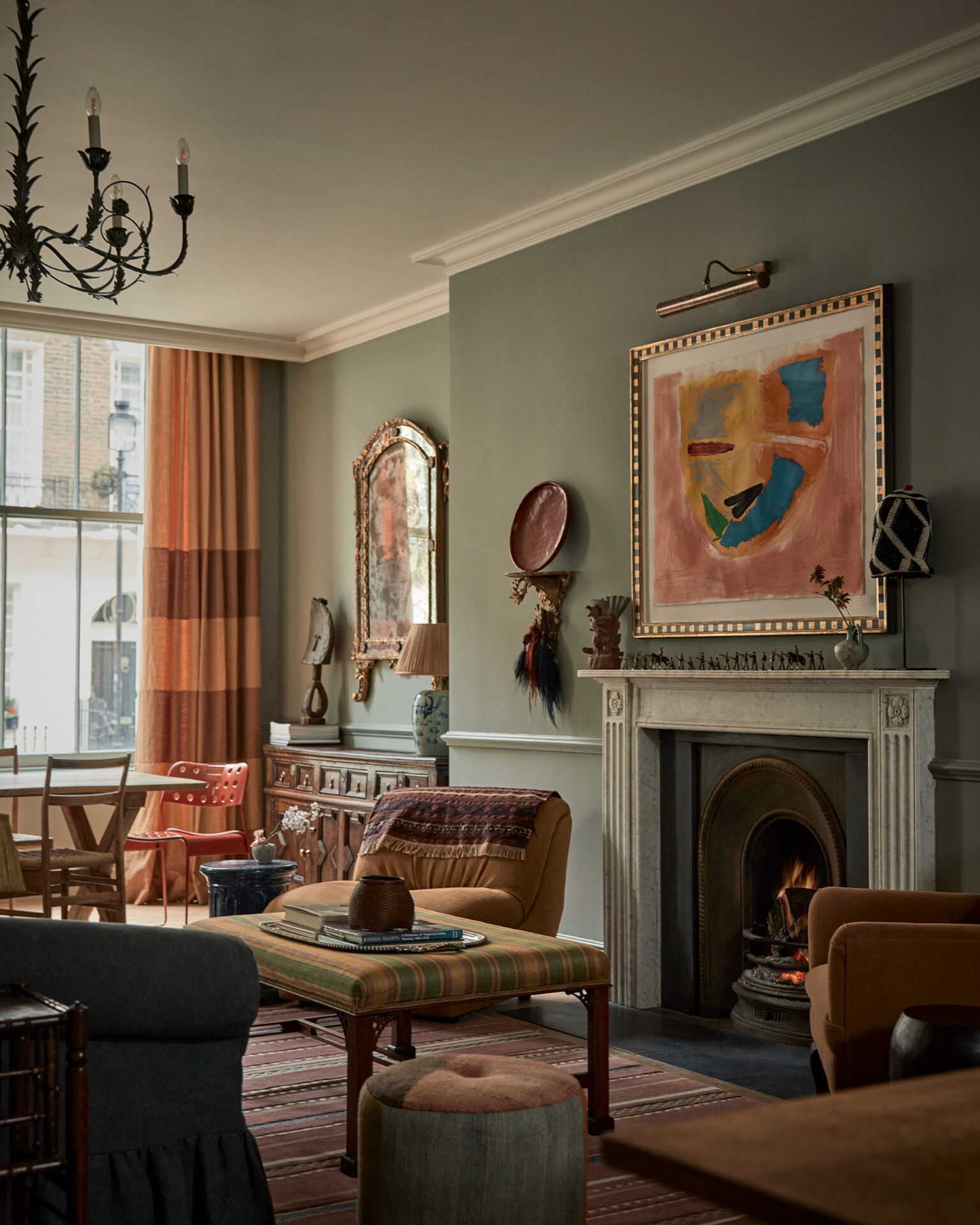
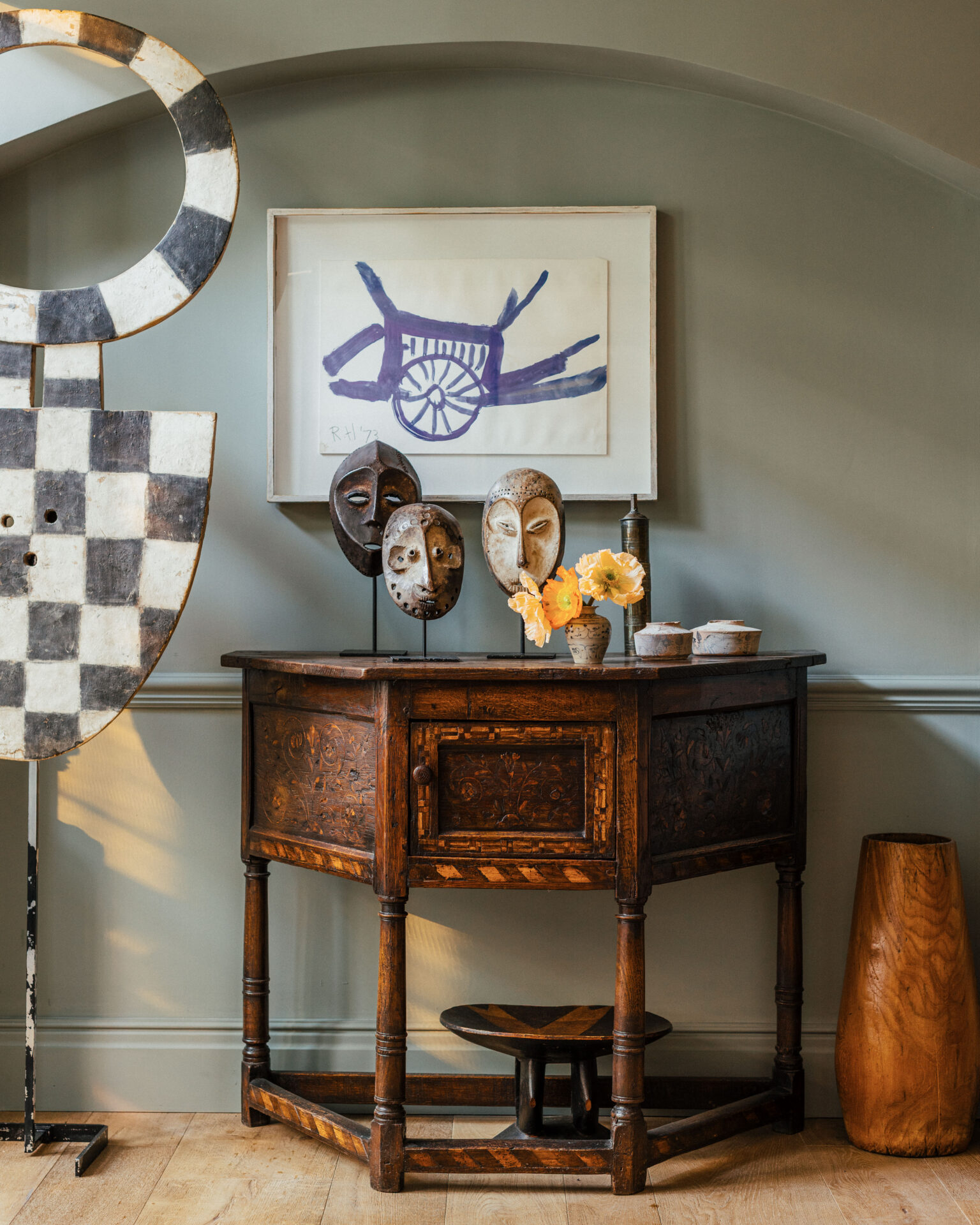
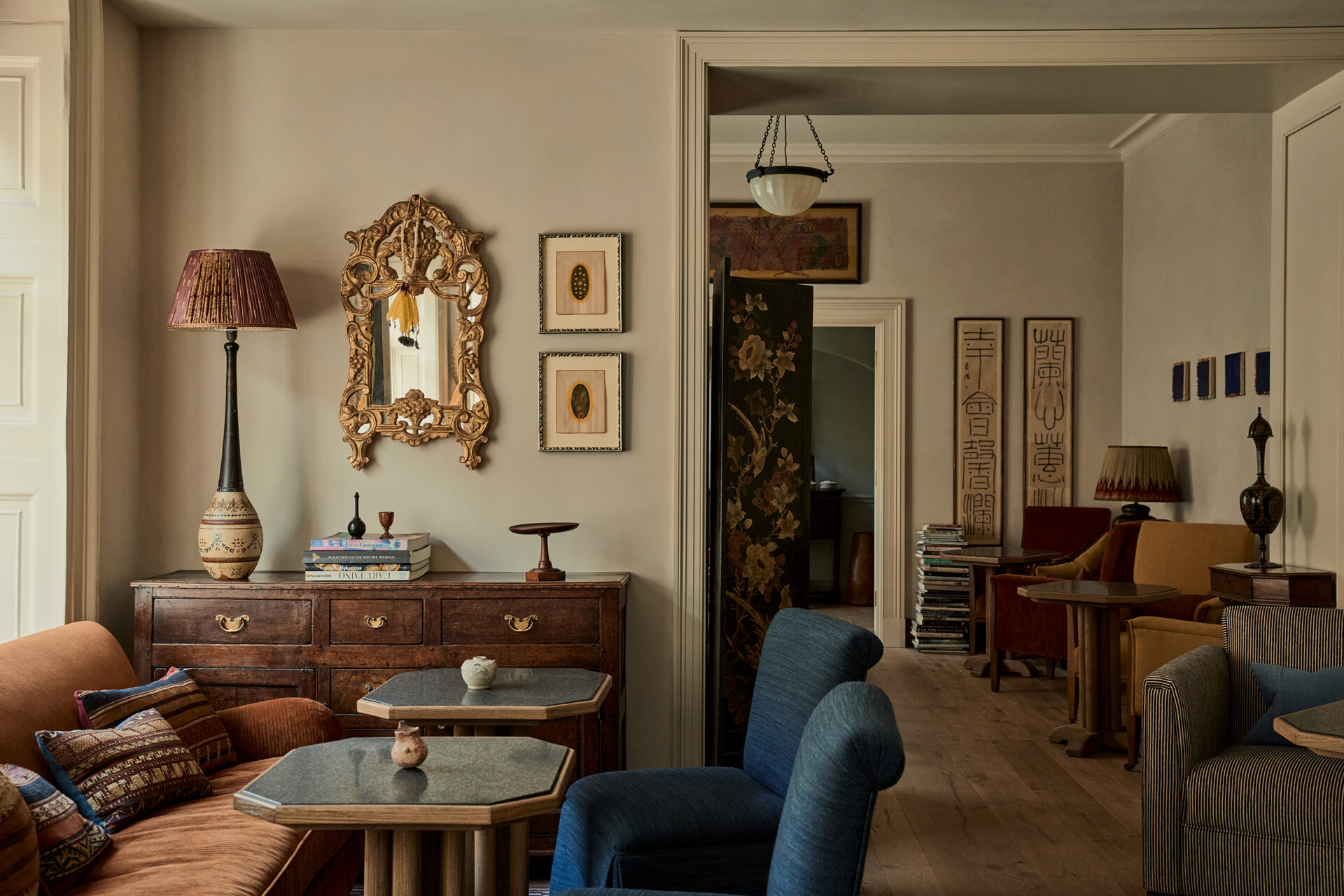
Throughout the period of collecting, there was little in the way of a plan for the objects across the 68 rooms, The Parlour bar, The Orangery dining space, and collection of cosy event spaces. “Two weeks before we opened, we still didn’t know where everything was going,” says Waterworth. “There’s no way you can know exactly how a space is going to feel. You always have to leave room for that.” As a result, each bedroom has its own palette of colour, furniture, textile and objects, and the mood is closer to a private house than a hotel.
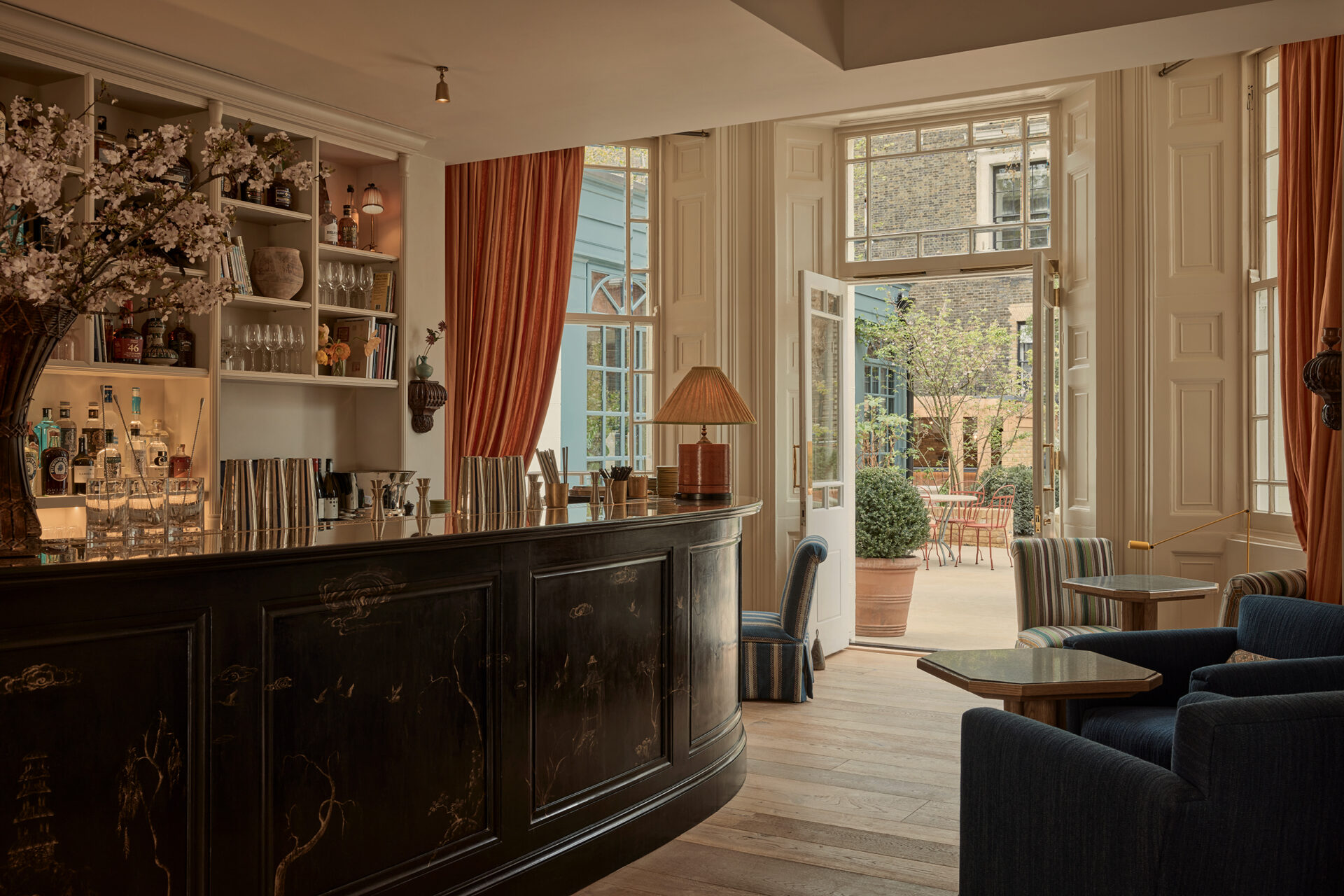
Alongside the collected pieces, Thurstan created a series of complementary bespoke elements. In the bar area, a japanned front reads as a freestanding piece of furniture, while faux-marbled architraves and skirting boards hand-painted by decorative artists Faberby offer a subtle nod to the Georgian interiors; and in the lounge and drawing room, bespoke Vanderhurd rugs are inspired antique textile fragments and cushions made from the same fabric create a dialogue between old and new.
“We wanted guests to feel they were staying with a well-travelled friend,” explains Waterworth. “Someone who has filled their home with treasures and stories from around the world, while deeply respecting the Georgian bones of the building.”