Tekla Evelina Severin Q&A
Tekla Evelina Severin – aka Teklan – is known for creating chromatic worlds that bridge spatial design, product design and photography. Here she discusses some recent collaborations, and how she evolved from being a “tone-on-tone minimalist” to embracing a more vivid life
DESIGN ANTHOLOGY UK: How did you find your niche, doing what you do now?
TEKLA EVELINA SEVERIN: I graduated in interior architecture and furniture design, and then worked at an architectural firm before founding my own studio and multidisciplinary practice in 2015, working through the language of colour.
My inspiration to start my own practice came from a longing for something beyond the prevailing conformity in interior design. [At the architecture practice] we had a beautiful material library with lots of variety and colours that weren’t normally used in projects, so after working hours I started making moodboards and small still lifes and captured them on my phone, just to have visual notes for myself. Then Instagram came along and it all took its own path, allowing me to connect with other creatives and companies around the world.
I see my colour work as an ongoing dialogue that continues and develops over the years, becoming more complex. I still don’t know where it will lead me next; I’m always very curious about developing new experiences, meanings and combinations.
DA: Can you explain more about your collaboration with Layered? How does it build on your first collection?
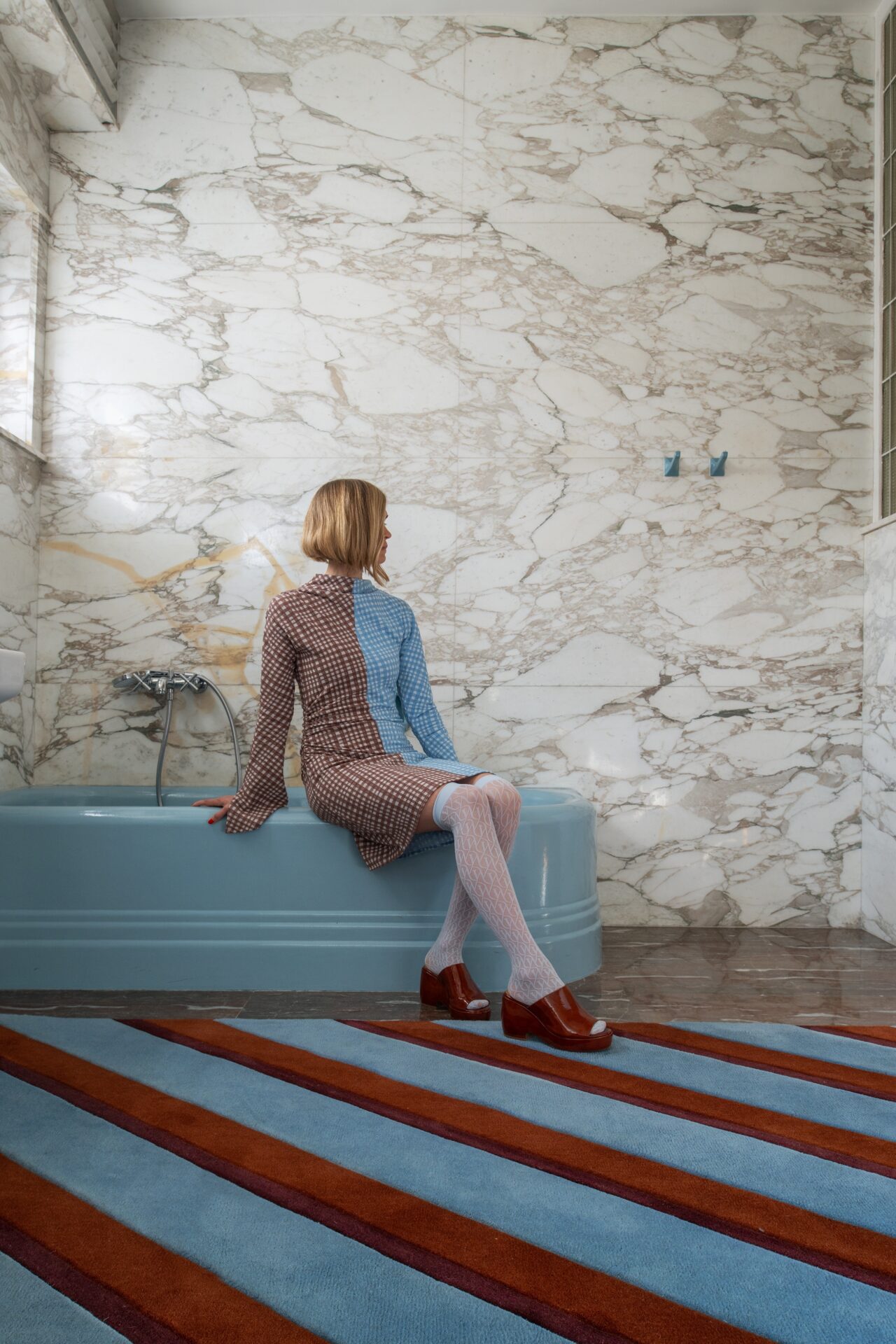
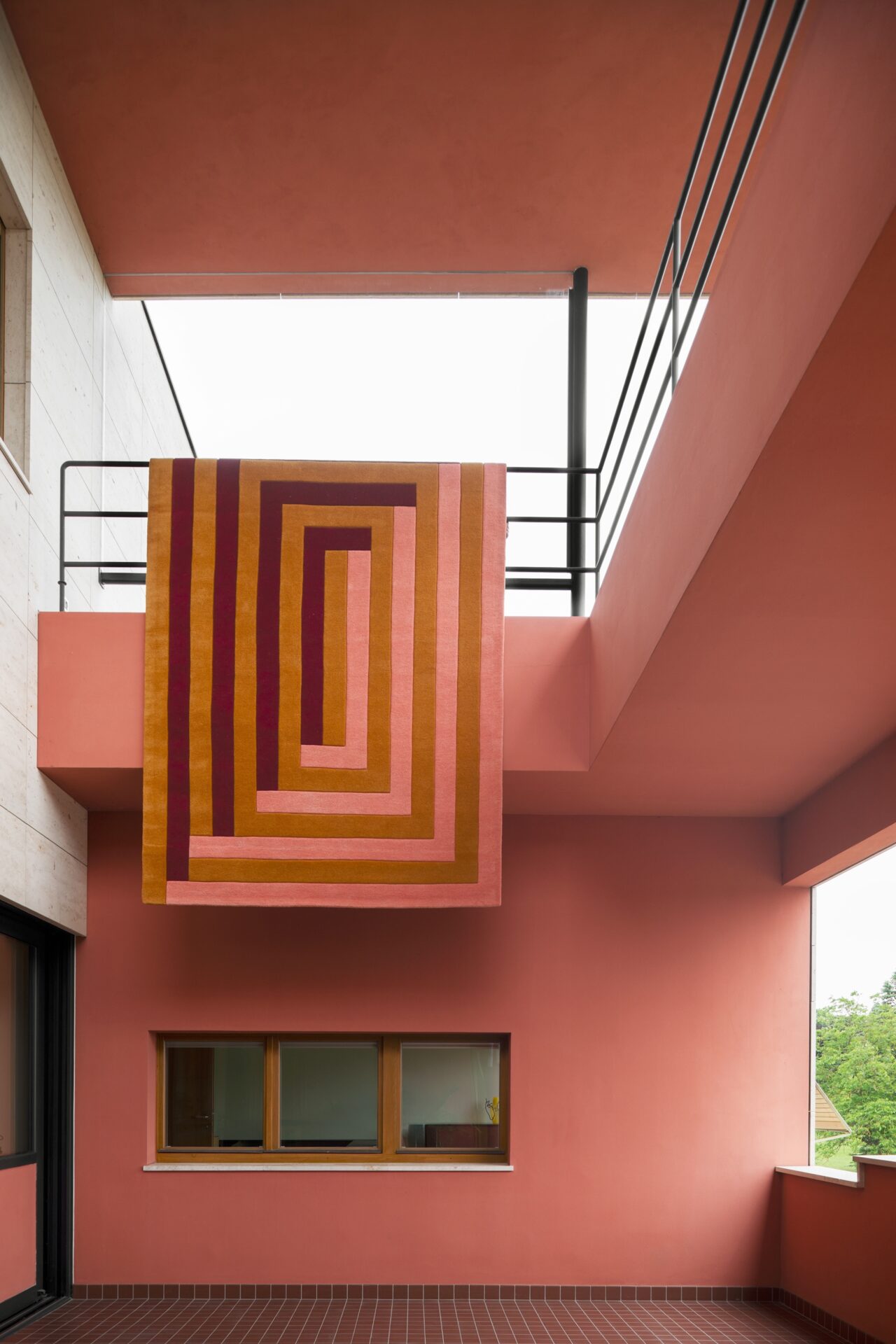
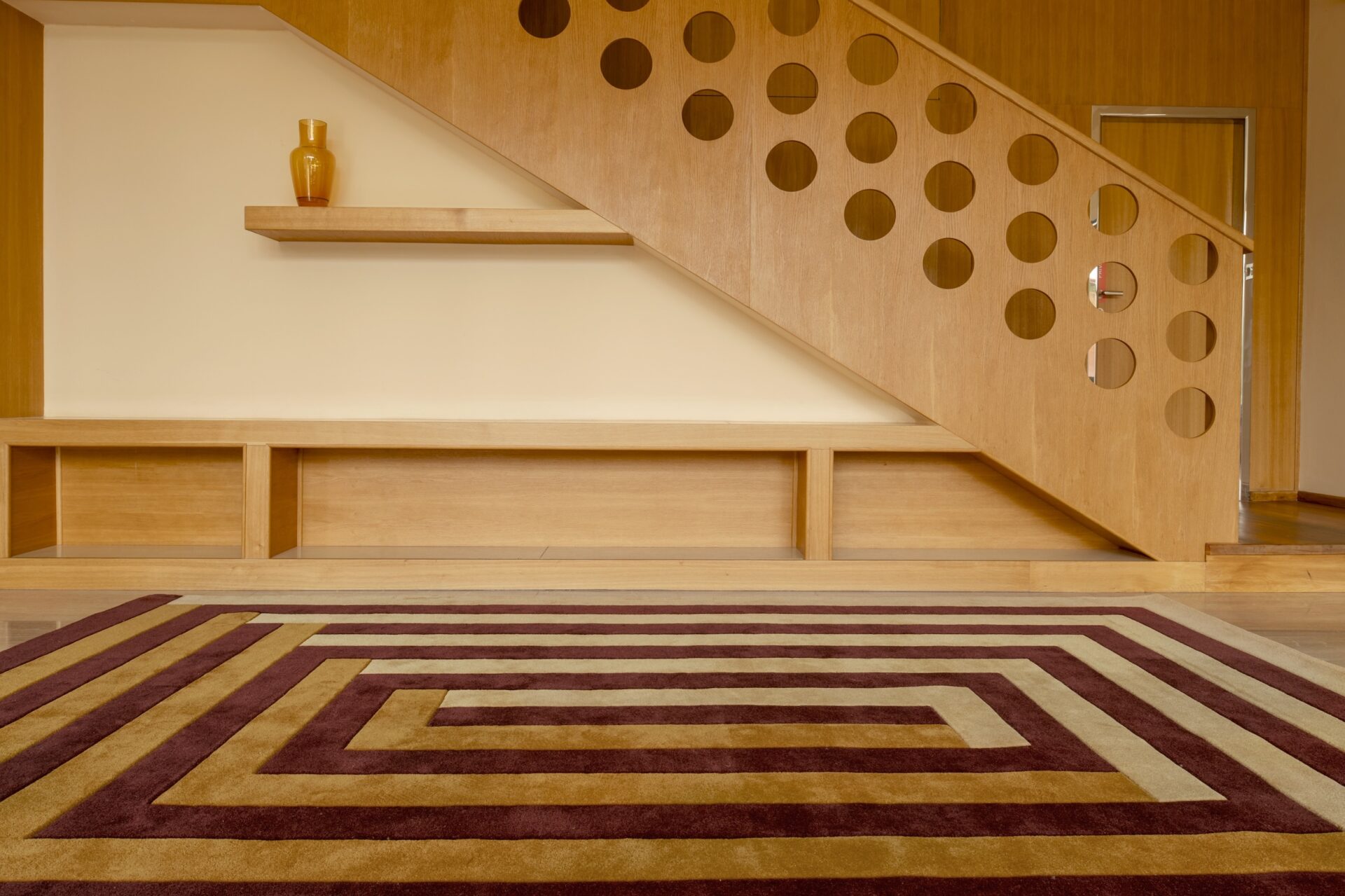
TES: The latest Teklan x Layered collection develops the first Prism Palette by sharpening the play between flat pattern and spatial illusion, and by turning the border/frieze into an architectural tool – so the rugs don’t just lie on the floor, they actively define and choreograph the space around them.
Prism Palette was already about the intersection between flat pattern and 3D illusion, but in the second rug collection those 2D–3D ideas are made more architectural and systematic. For example, Diagonal uses rotated striping to create movement and subtle depth in an otherwise flat wool surface, and Labyrinth translates spatial sequences and Scarpa-like architecture into plan view, so that the rug reads as a flat drawing of a route, but the rhythm of bands and ‘rooms’ gives a strong three-dimensional, almost cinematic feeling of moving through space.
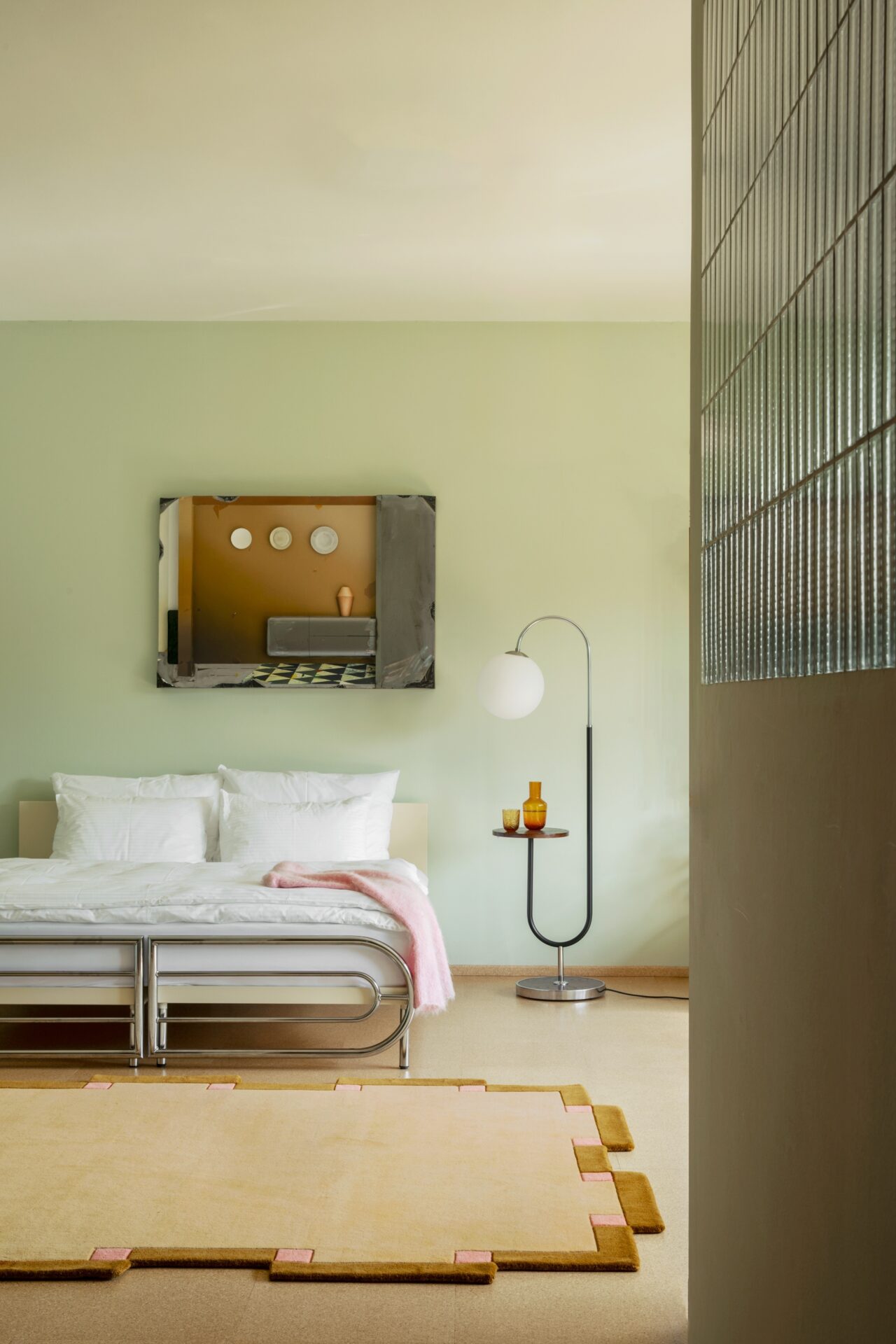
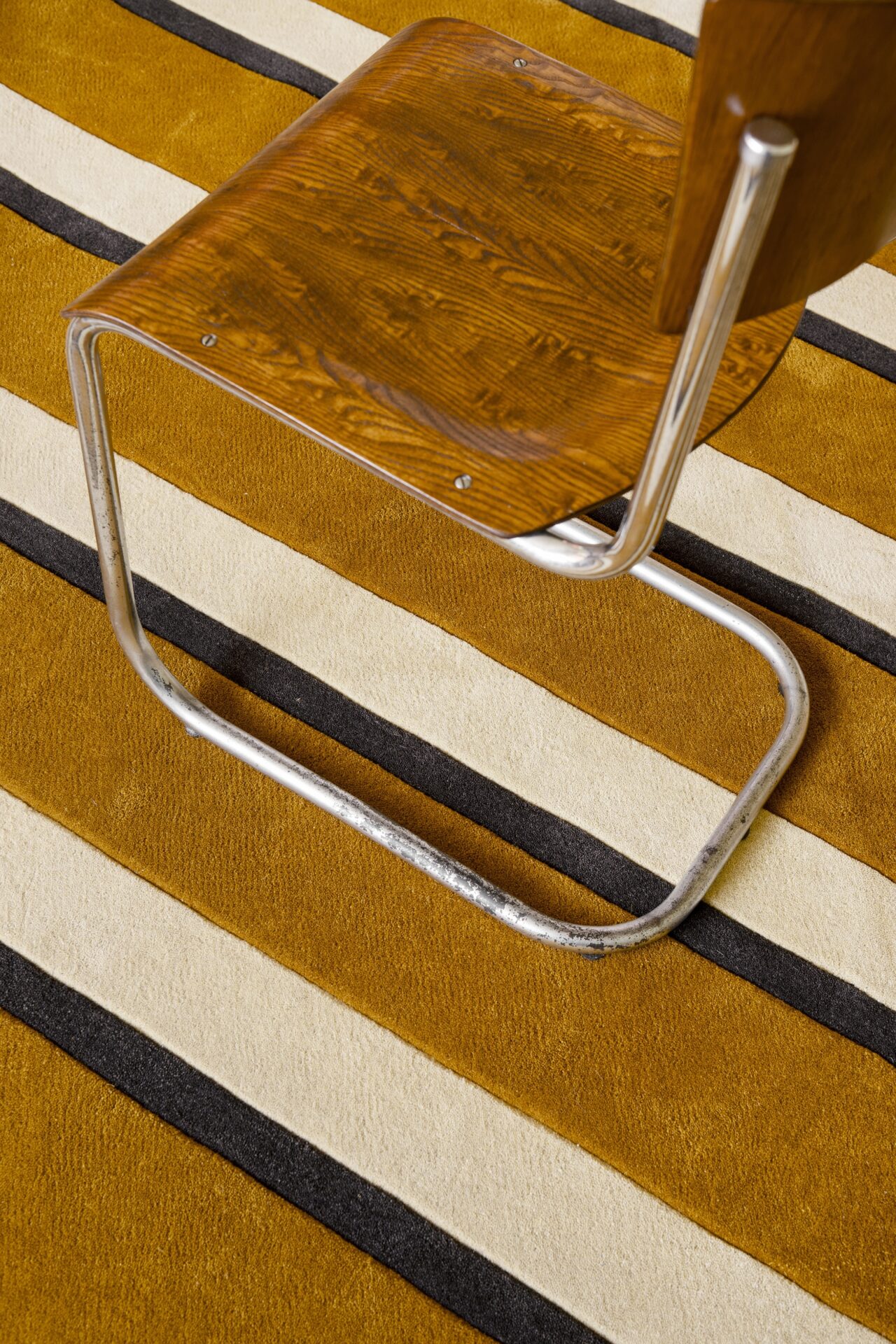
DA: The latest Layered rugs were shot at Villa Volman, the recently restored Czech modernist house. Did that place particularly resonate with you?
TES: I’m very particular about the universes I build up for all my collaborations; I want them to be tailored and unique for each collaboration. Usually this is through set design, but Layered and I bounced around a lot of options and mutually found this to be the perfect location in the end. The architectural space and framings, the geometry, the materials and colours, and that era of early modernism really resonated with us.
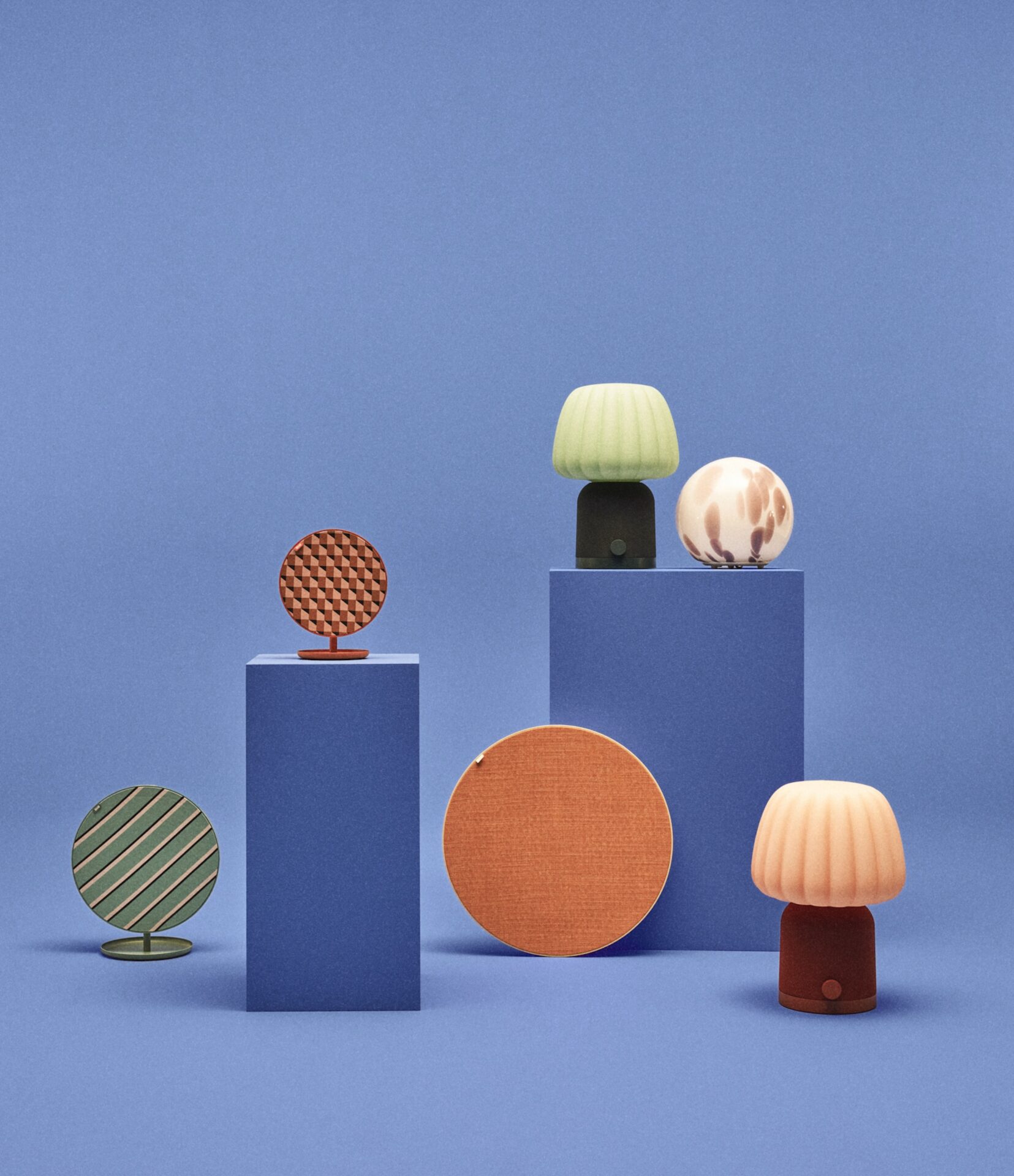
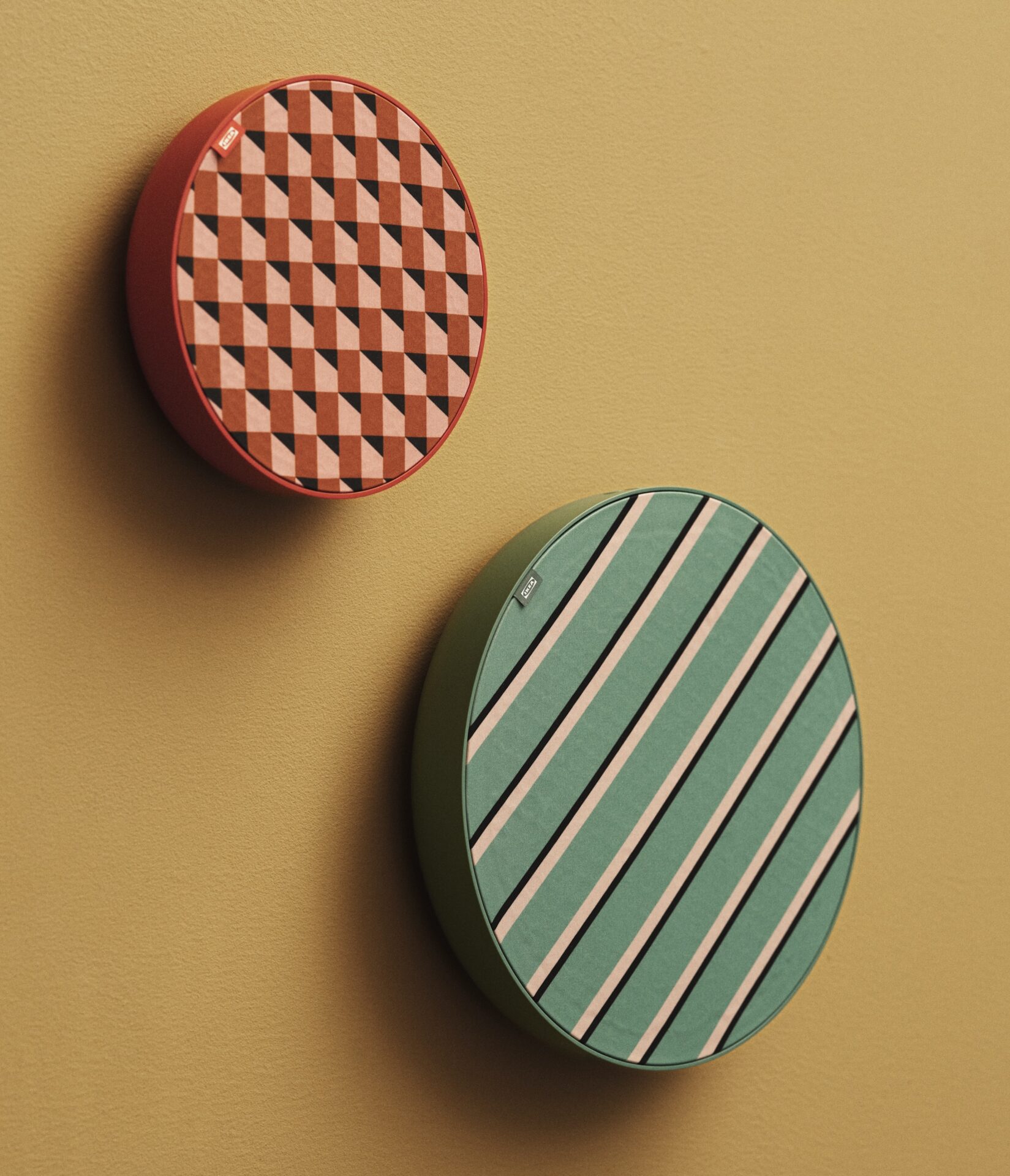
DA: Moving on, can you explain more about your recent collaboration with IKEA, creating lighting and home tech?
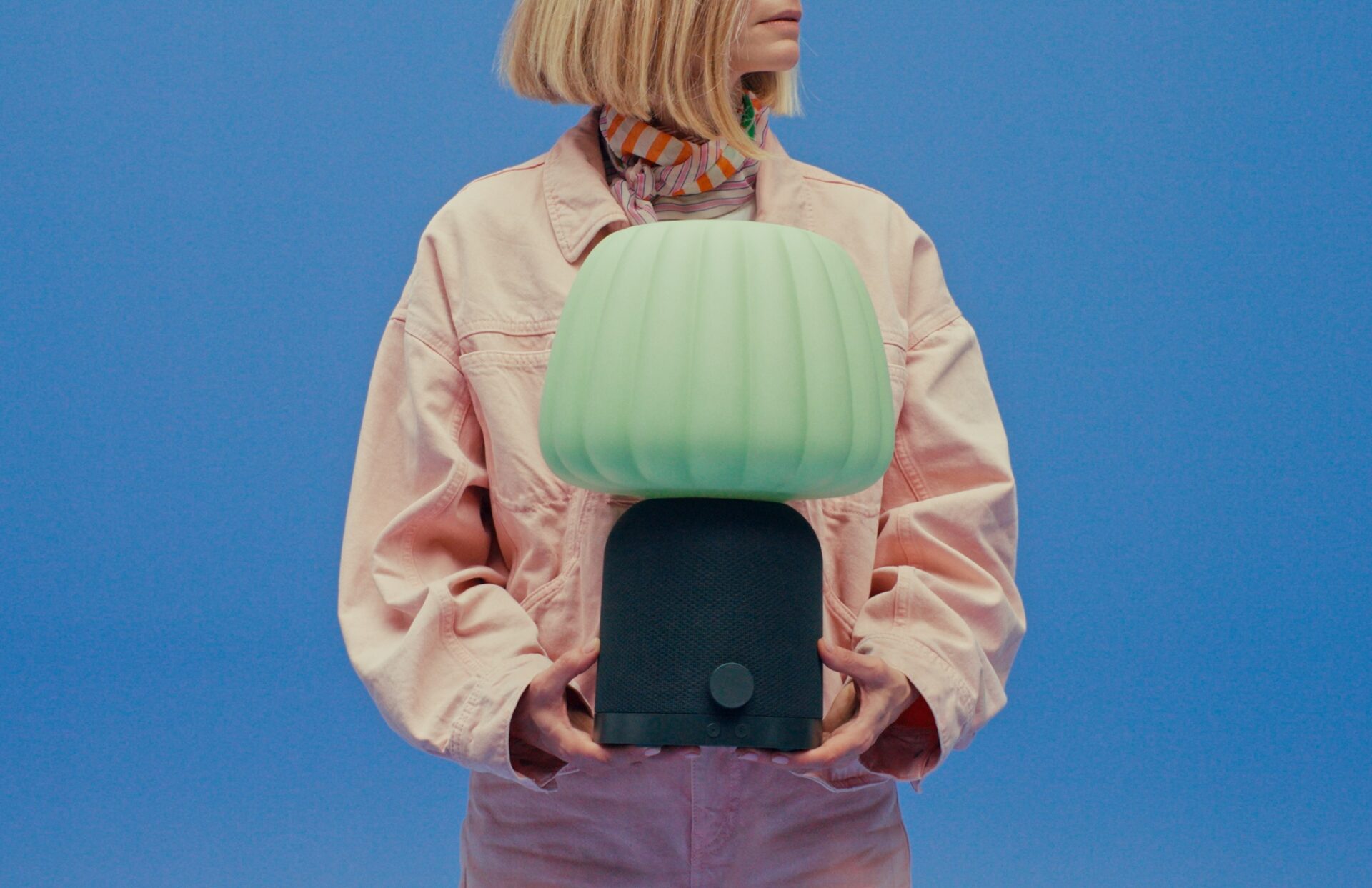
TES: I hadn’t worked with home electronics before, and it was important that these products looked as far away from traditional ‘high-tech’ as possible, adding other values such as friendliness, softness and playfulness. I drew inspiration from everything from soft ice to Japanese kokeshi dolls, to the space age and art deco (I often work with nostalgia in one way or another). But I also enjoyed playing with rhythm and the intersection between two-dimensional and three-dimensional perception in the patterns.
The challenge was finding the balance between advanced technology and a simple, friendly expression. We wanted to create a contrast where the inside is complex, yet the outside feels warm and easy to understand.
DA: What’s your approach to designing with colour? Is it more scientific (knowing how the mind and eye perceive colour) or more intuitive (just a gut feeling about what works)?
TES: It’s intuitive – but that gut feeling is always built on analysis, context and vision. I don’t dismiss any colour; it’s all about the right context. And since colour is always relative, never absolute, I find it endlessly exciting to explore and try to make sense of it.
DA: You have such a distinctive viewpoint – do you think you see the world in a different way?
TES: Maybe. What’s visually appealing has always felt very precious to me, even more so since I developed increasingly poor eyesight when I was a child (it’s -8 at the moment, with some other minor defects). I also believe it’s related to how I try to clarify things in my design and imagery, almost to the point that they appear super-real.
One of my creative visions is to create something I call ‘everyday surrealism’ – to explore new perspectives and, in that sense, offer new experiences. (As the saying goes: when you change the way you look at things, the things you look at change.)
I’m a perfectionist in each project, but I somehow enjoy a bit of creative chaos in the process. I see things everywhere and capture them whenever I can
DA: How has your understanding of colour evolved over the course of your career?
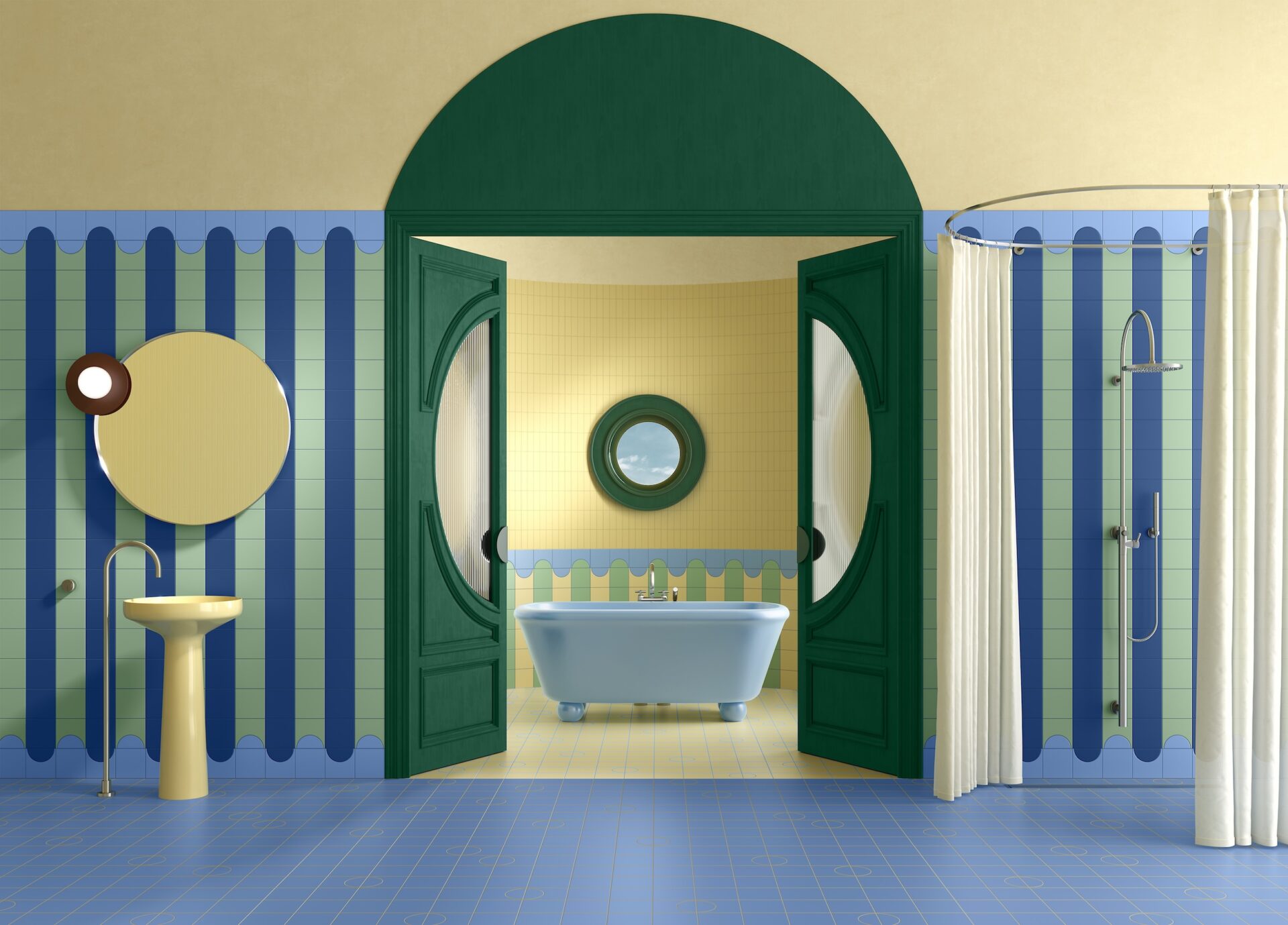
TES: So much. I’ve gone from being a tone-on-tone minimalist perfectionist to inhabiting a more daring and vivid colour world. I’ve learned over time to try to overcome my perfectionist side: spaces, objects or colour charts need something unexpected – a twist, or sometimes even a colour I refer to as ‘ugly-cute’. We need things to feel alive to be interesting.
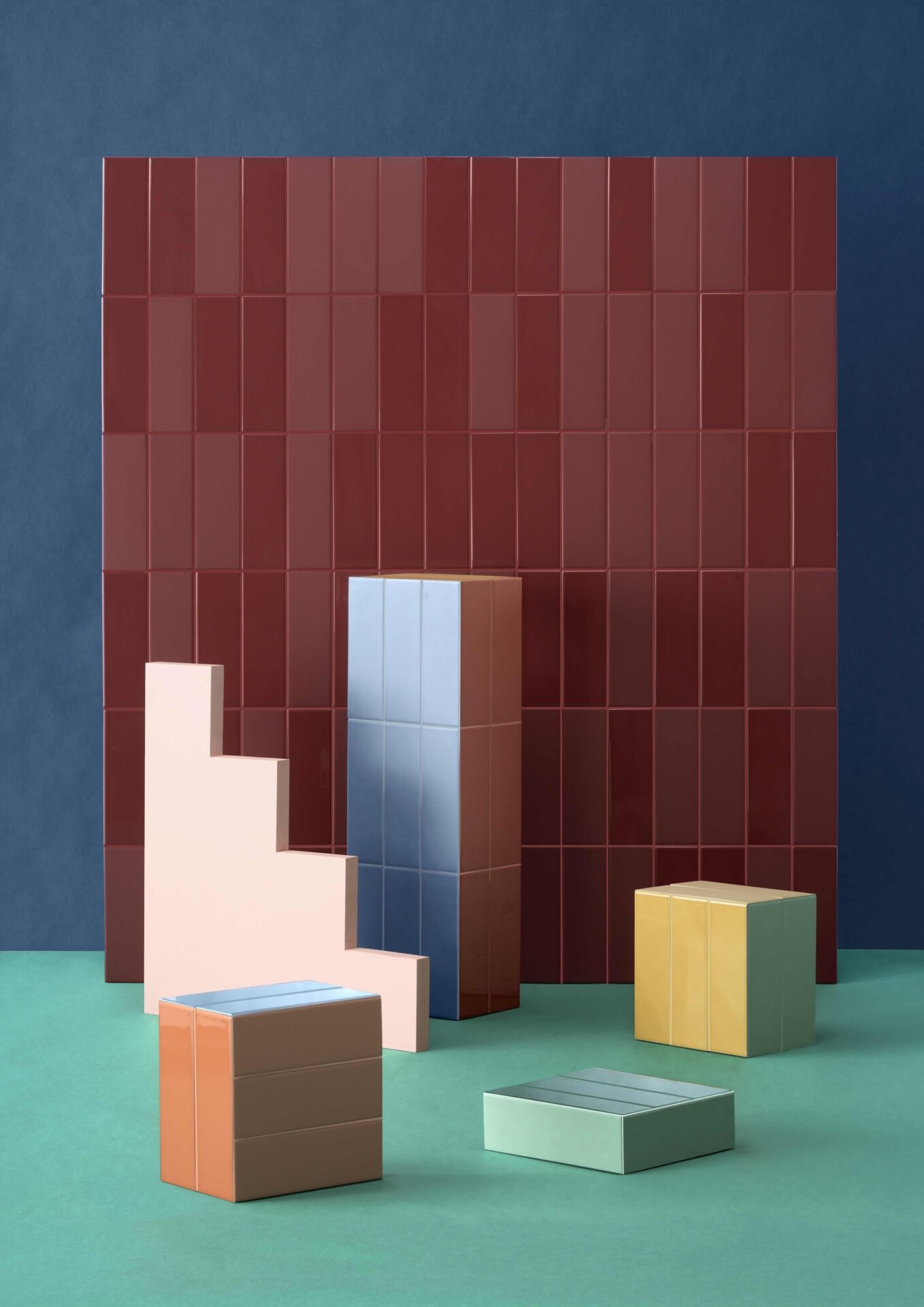
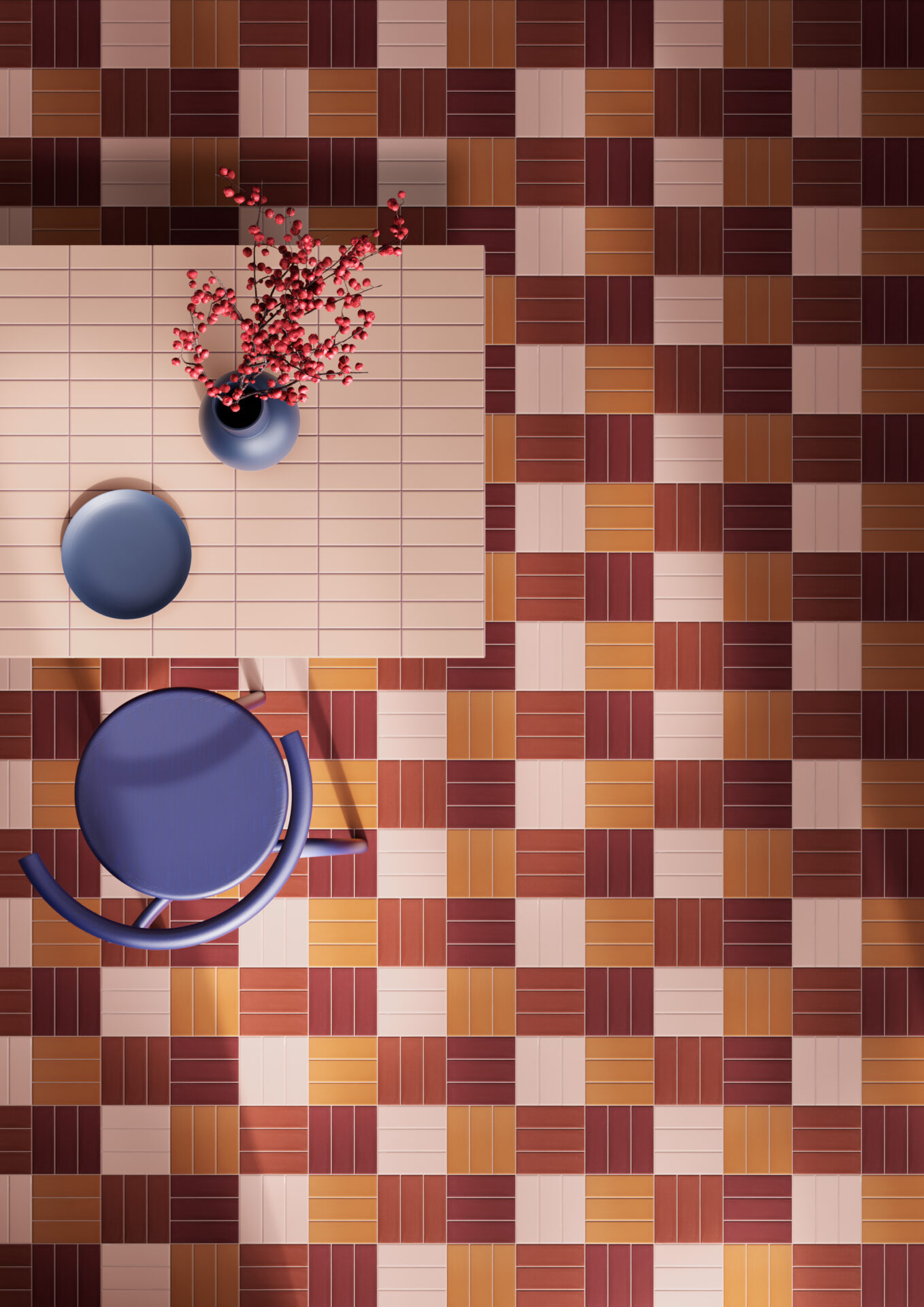
My Färgblock tiles with Quintessenza have been one of those fun colour journeys that have definitely evolved over time since first launching in 2022. With those kinds of collections and palettes, I can really manifest the power and versatility of colour in all its simplicity; it feels really meaningful to see so many people appreciate this series and adapt it to their own style.
DA: What projects are you currently working on?
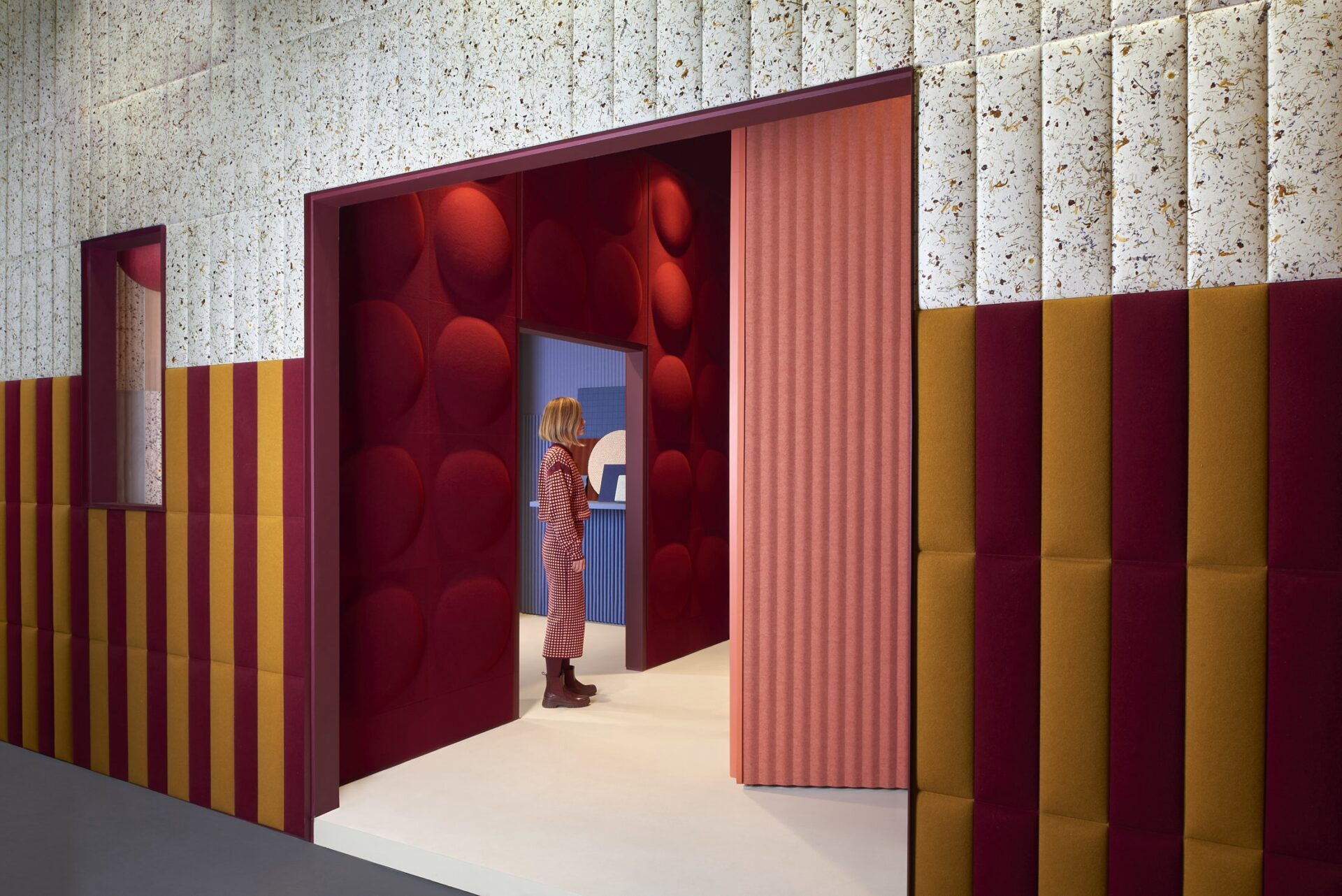
TES: I’m working on spatial designs for Milan Design Week, and I believe I will combine colours that are even more tactile this time. I’m evaluating new materials at the moment, and I’m very excited. I’m also planning a study trip in February to Mexico City for the first time, to experience the architecture and colours there.
DA: How do you document and organise what you see around you for colour inspiration?
TES: I’m a perfectionist in each project, but I somehow enjoy a bit of creative chaos in the process. I see things everywhere and capture them whenever I can. I currently have over 207,000 images in my camera roll, and sometimes I need to make a conscious decision to turn my radar off to be more present in the moment with friends or family.
Obviously, things can’t ever be truly perceived on a screen, so I also have millions of samples and materials in my studio. I always paint big samples when evaluating colour – I need to live with it for a while, seeing it in different lights, at a distance, up close, etc.
DA: What’s the most unusual place you’ve drawn inspiration for a colour or colour combination?
TES: Maybe the green shade of the Kulglass speaker from the IKEA collaboration. I drew inspiration from my grandparents’ bathroom, and the block of mint soap I remembered from my childhood – true nostalgia.
DA: How do you stay creatively refreshed?
TES: What’s most important to me is to try to have enough space – in my head and during the day – to be able to grow new, good ideas. Being too stressed, or if life is too packed with projects, is a big risk, and it becomes almost impossible not to repeat oneself. That’s not always easy; being a one-woman company and running all the non-creative parts of the business too, some periods are crazy. But at least I’ve got better at scheduling breaks and having less full days.