Glow Up
Studio Braw’s Dundee bolthole for homeowners who are “the opposite of vanilla” is a cosy, colour-saturated escape
Although based in London, Studio Braw has its roots in Scotland, and a recent rebranding (you may have come across them previously as Pineapple Interiors) acknowledges that. “‘Braw’ is slang for attractive, fine or elevated. We liked the word, and how it looked on the page,” explains Louise McGarry, the studio’s co-founder (along with her husband Matt) about the recent change. It’s fitting, then, that a recent projects in Dundee deserves the same adjective: designed for a couple in the music industry and their family, it has beautiful Victorian bones but shakes things up with unexpected hues, chrome and contemporary art.
McGarry describes her clients as “the opposite of vanilla” and, having worked on their London home, she already had a good working relationship with them, and an insight into their tastes. “They’d had the house for about ten years – it was really charming, but it was tired,” says McGarry. Studio Braw saw an opportunity to open up the ground floor’s two reception rooms to create one larger space, while upstairs, shaving a little off two of the bedrooms created enough room for a much-needed bathroom.
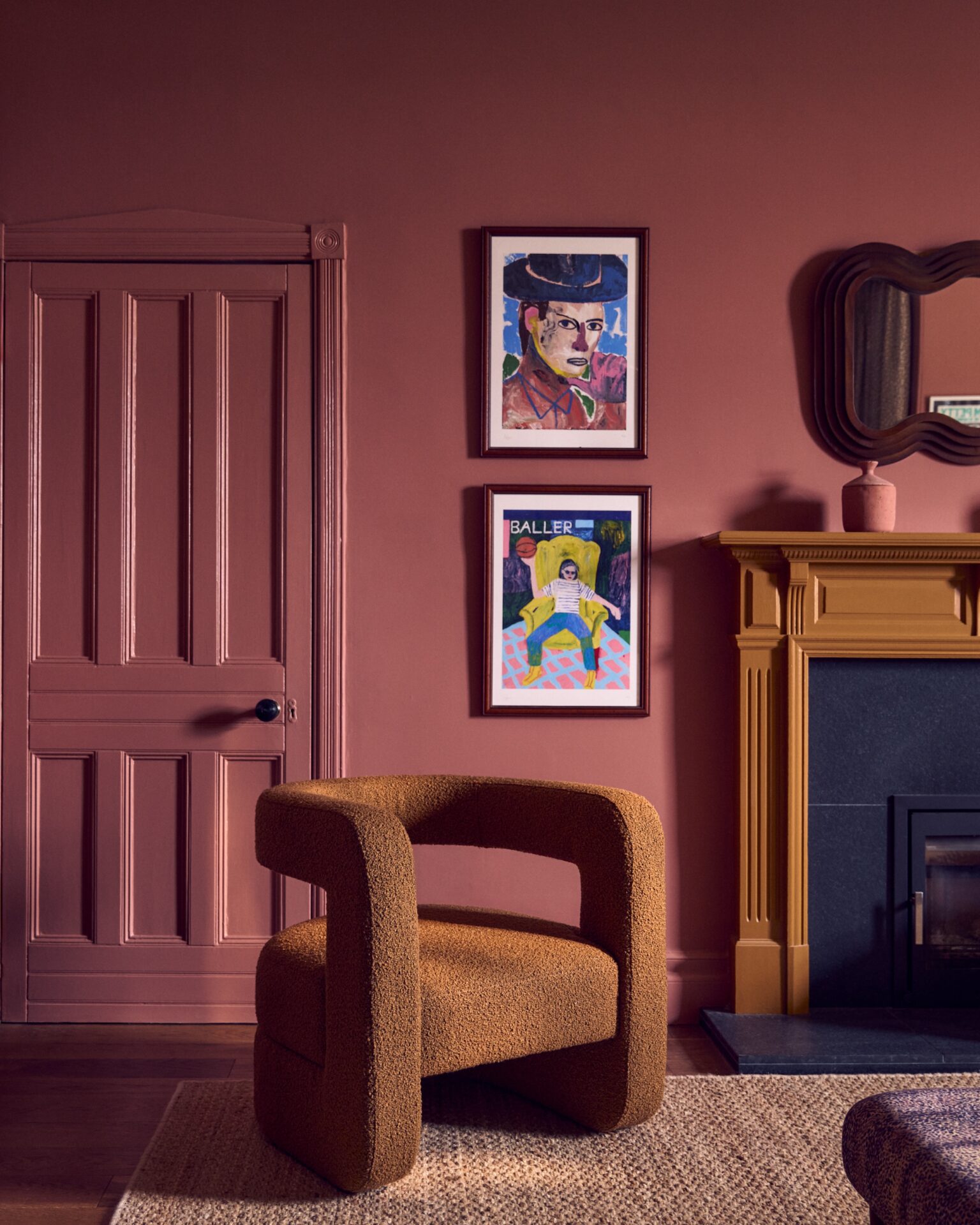
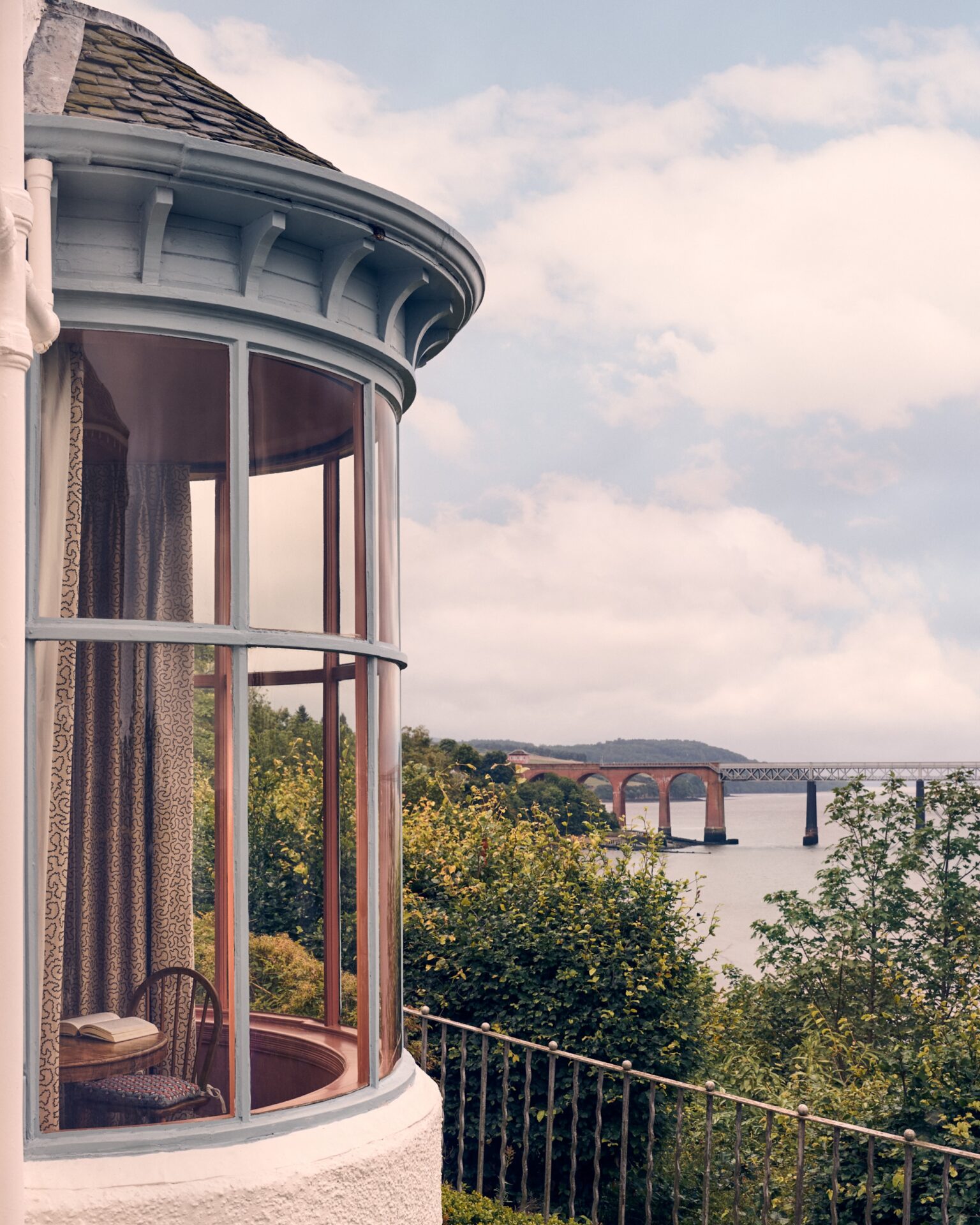
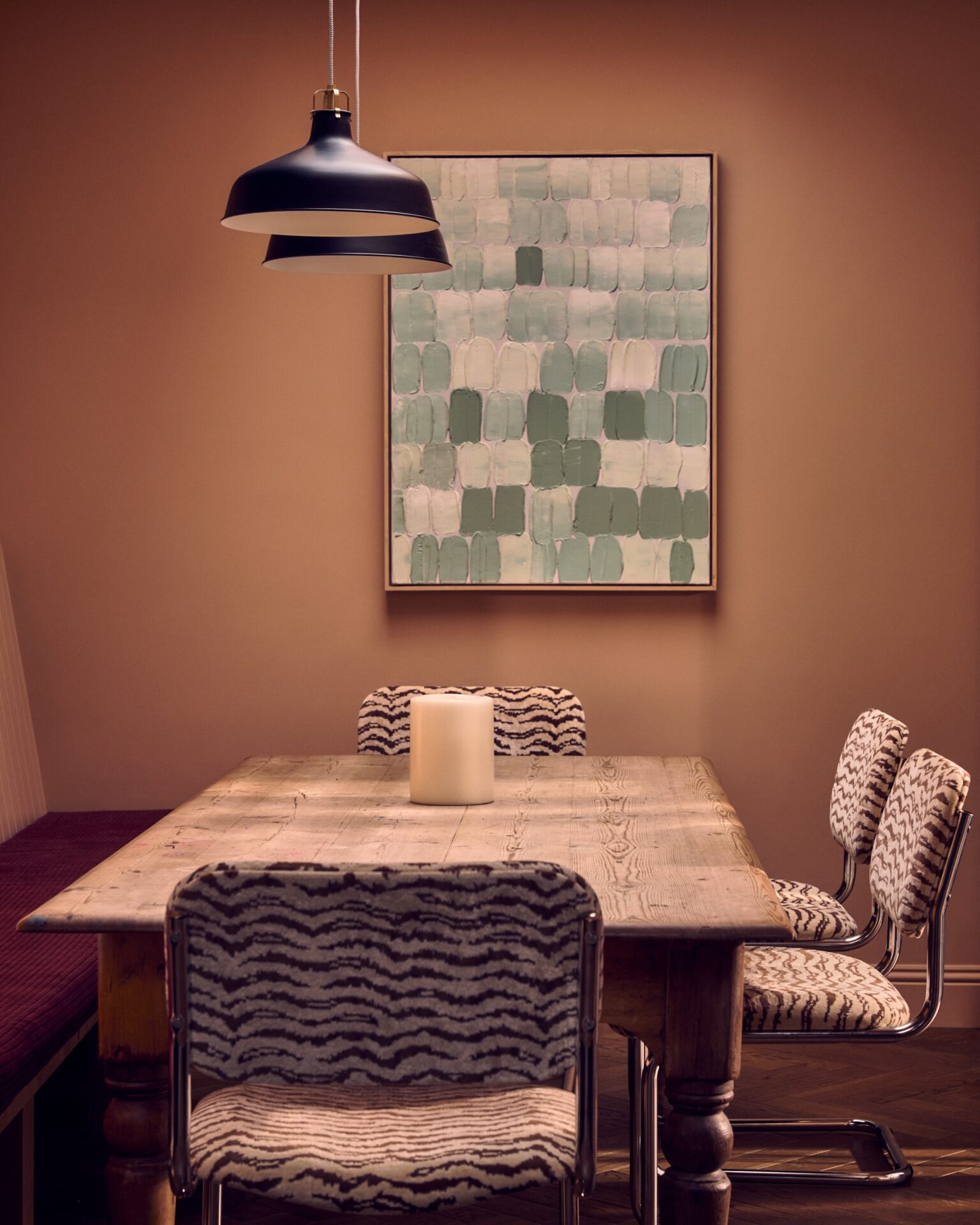
“For me, the bones of the house should always be true [to the period],” says McGarry, and she follows that ethos here. A turreted bay window overlooking the River Tay is the house’s most striking original feature, while unusual glazed, panelled internal doors and a stripped-wood staircase bring further character. “We wanted it to feel like it had been curated over time,” she explains of her approach to the furniture side of the scheme, so there are 1970s chrome cantilevered chairs next to a scrubbed pine dining table, teddy-bear-like fluffy armchairs and a side table made from patinated petrified wood.
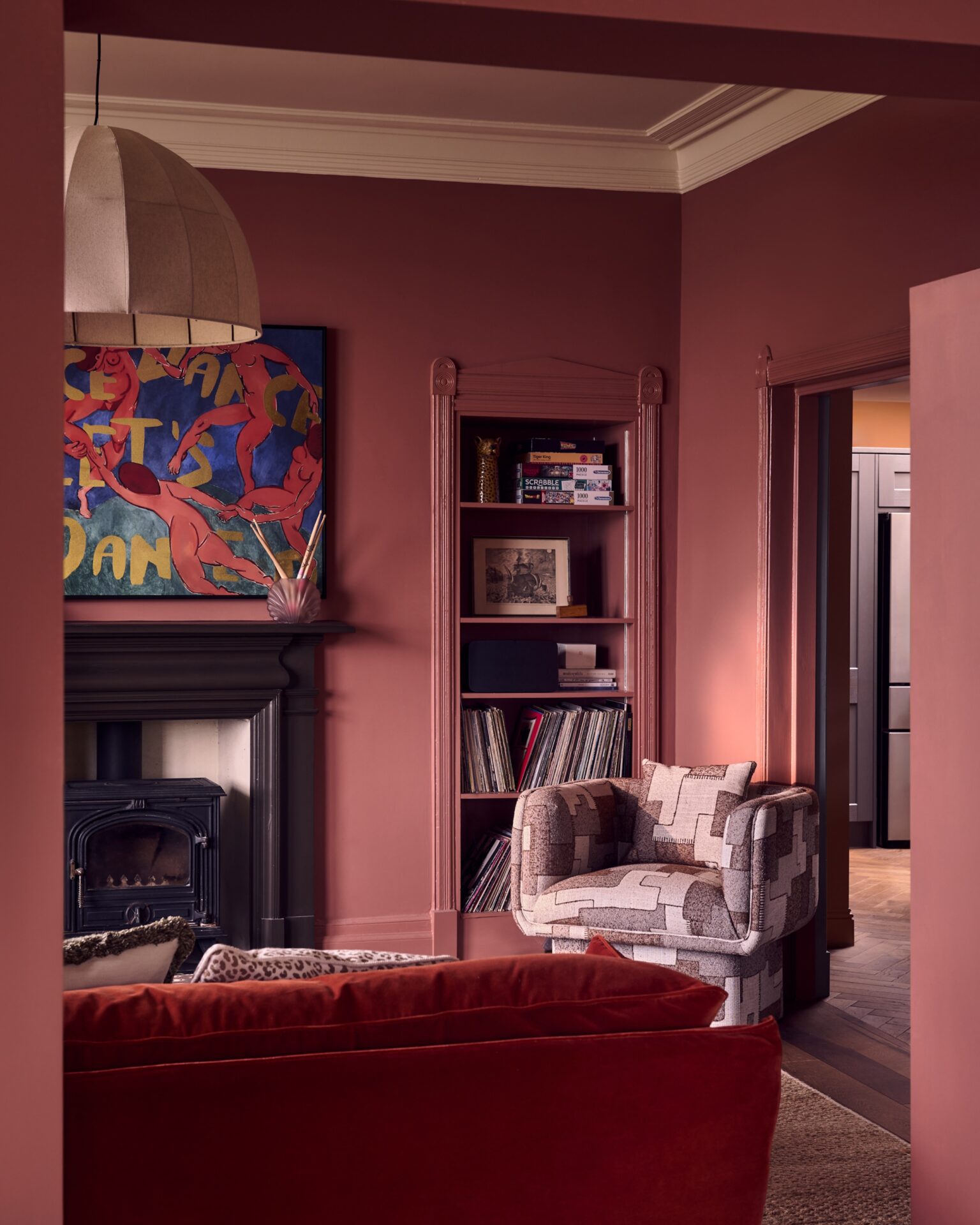
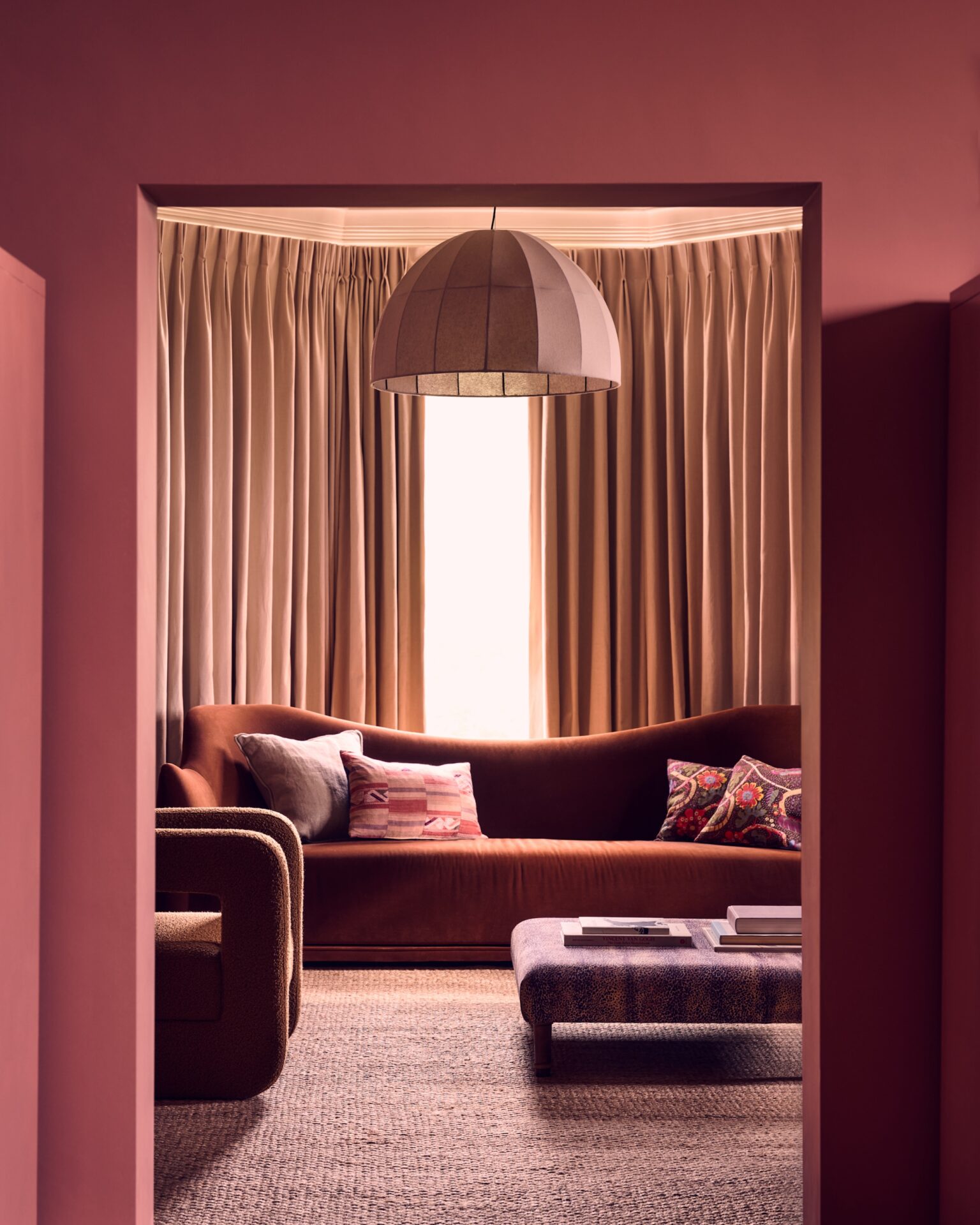
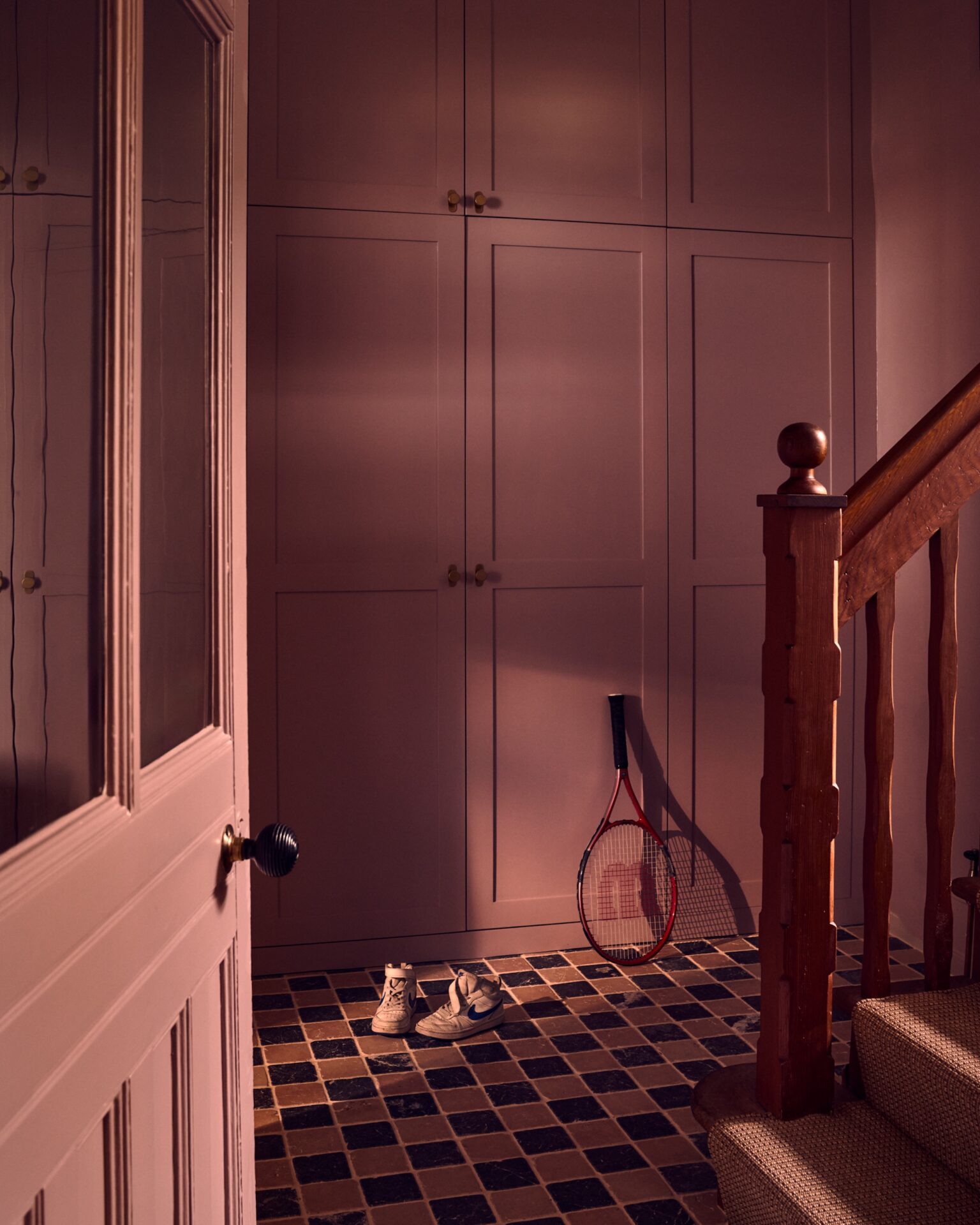
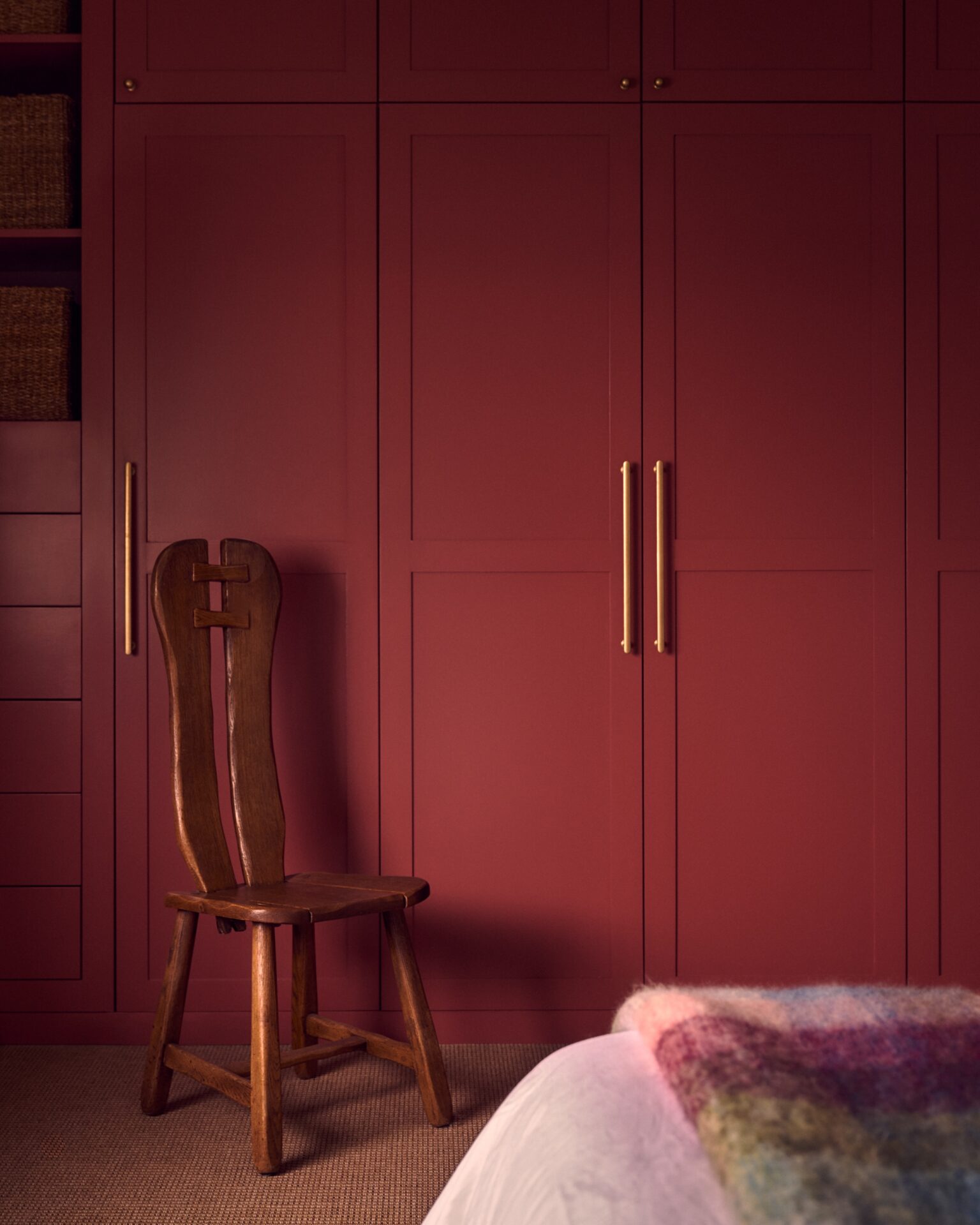
Colour is the unexpected twist in this project, with McGarry describing it as “a kind of organic palette, accented with fuchsia pink”. The open-plan living space is painted in Edward Bulmer’s earthy Etruscan Brown, with accents in purple (for the fabrics) and dark mustard yellow (for a contemporary bouclé chair, as well as for the period fireplace adjacent to it). The hallway is a warm lilac – colour-drenched to include the door and joinery – with tumbled checkerboard-patterned tiles and a jute runner on the staircase. In the main bedroom, the walls are in Farrow & Ball’s off-white slipper satin, but the homeowners deemed it “too boring” to have everywhere, opting for a rich earthy red for their wardrobe doors instead.
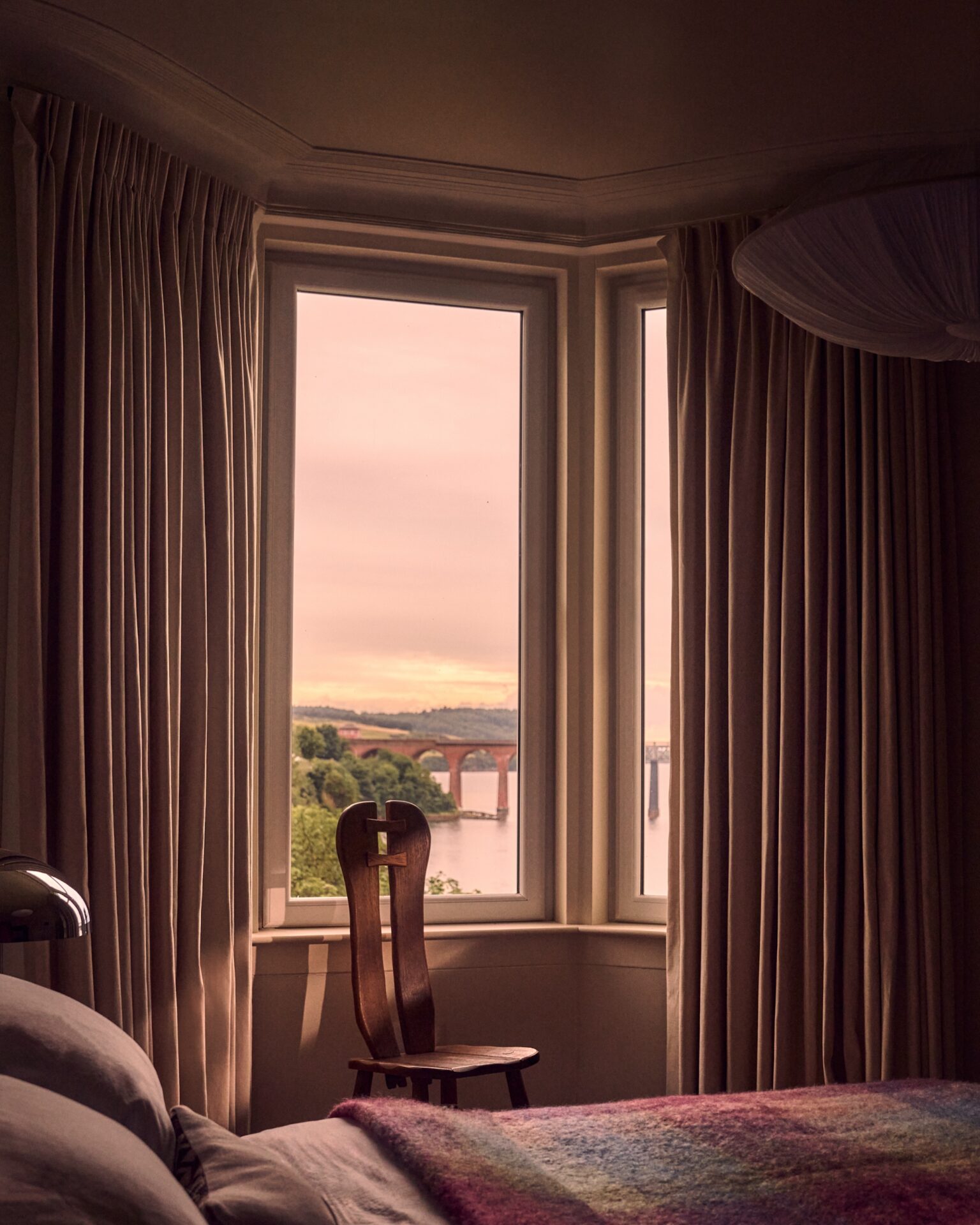
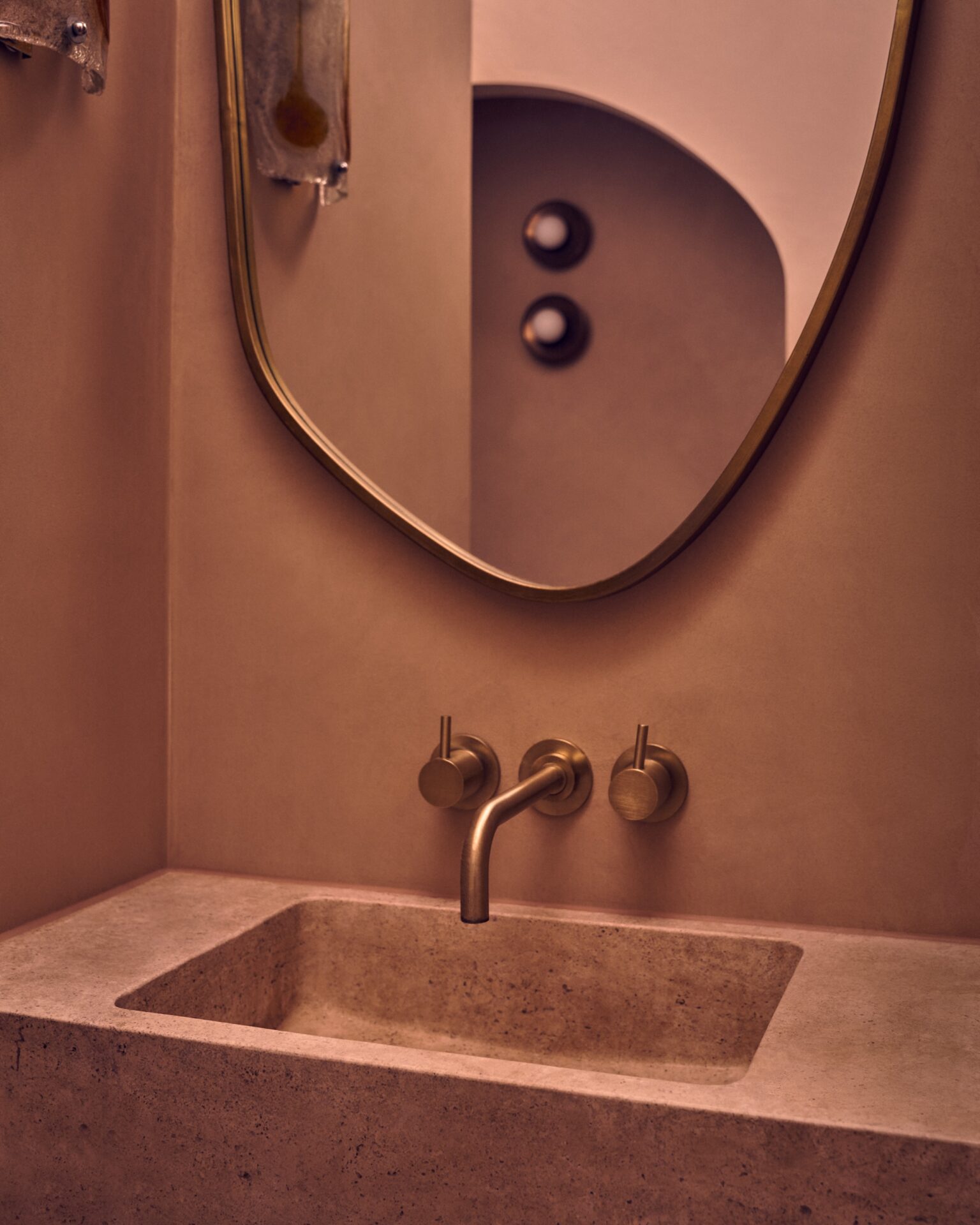
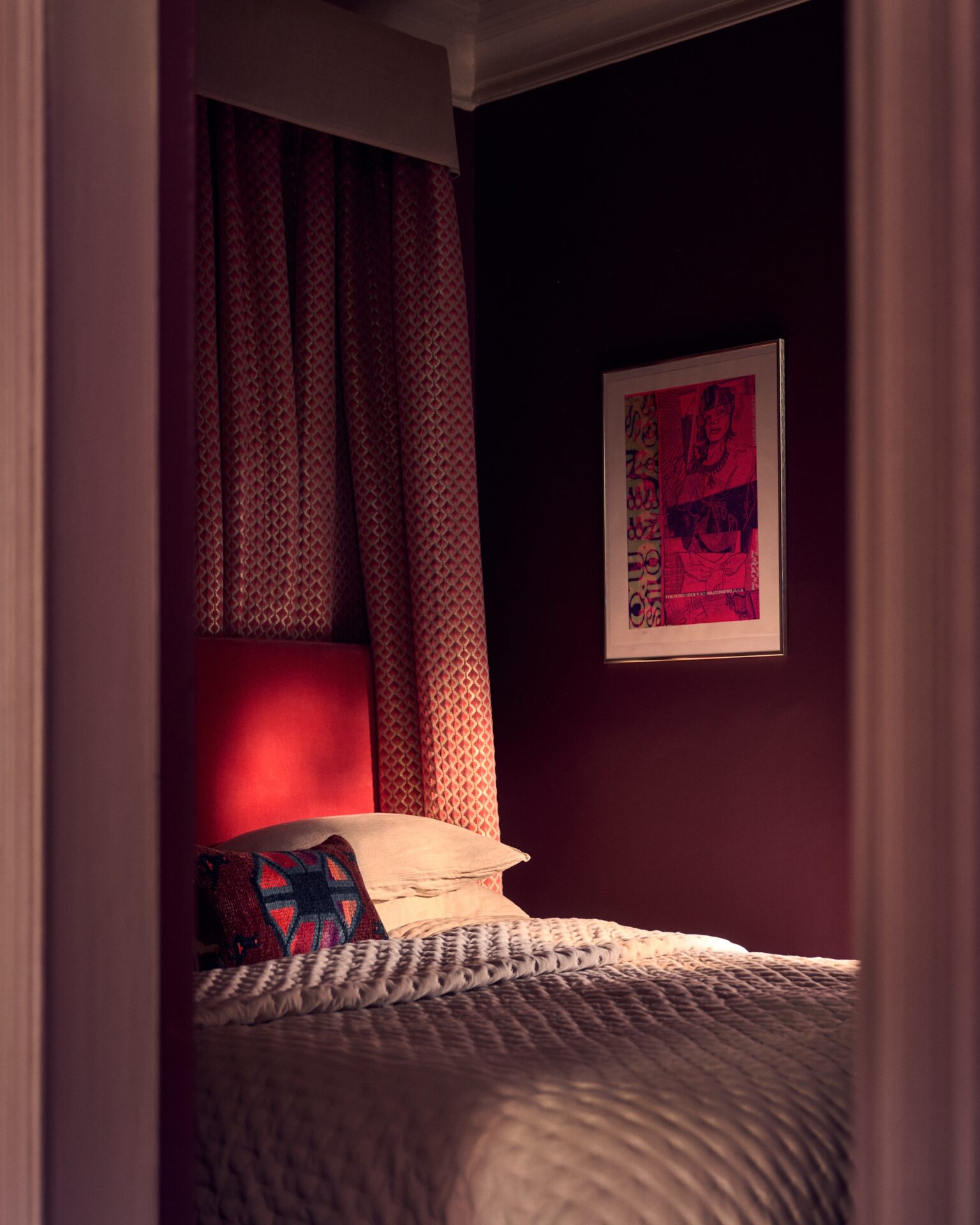
The main bedroom benefited from river views, but for the smaller guest bedroom, McGarry put her skills to use to make a tight space seem very cosy. “We wanted to make it feel luxe, like a boutique hotel. We put a Dedar fabric behind the bed and created a little bed canopy, then painted the walls in a dark purple, accented in neon pink.” In the same vein, the new bathroom is windowless, so its design makes that sense of enclosure feel more deliberately intimate and private: the bath is contained within an arched nook, lined with microcement, while the shower is lined with checkerboard tiles that pick up on the same pattern used in the hallway.
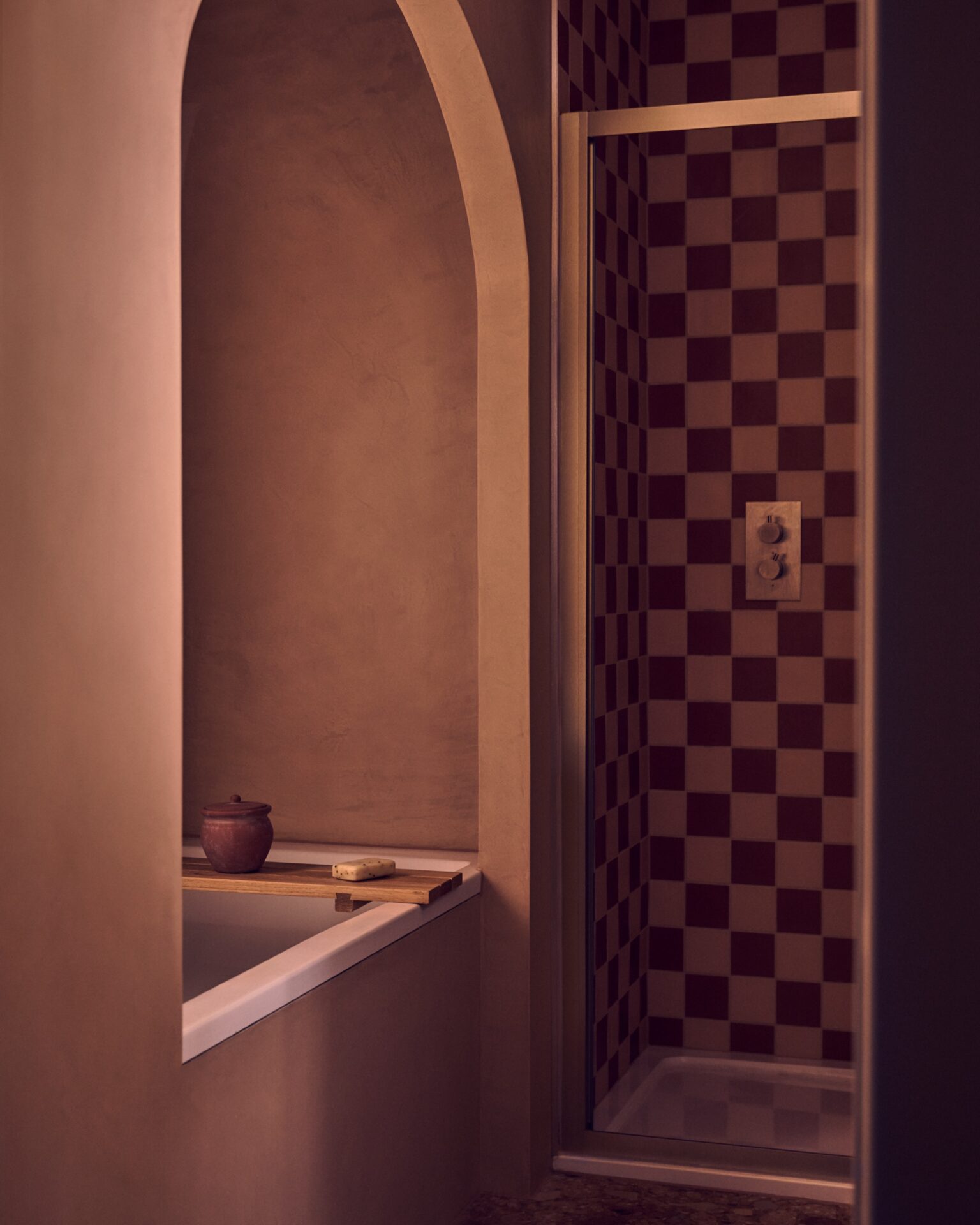
These dark, warm colours were partly chosen in response to Dundee’s climate and light. “If there’s a storm going on outside, then you just need it to feel warm and cosy, which is what was driving those pinks and more organic colours,” says McGarry. “But in summer, it doesn’t get dark until 10 o’clock, so it can also take those warm colours when the sunlight is coming in through those big windows. It sort of works both ways.” Great lighting adds to this sense of cosiness, as do the full-length, double-lined curtains, which also keep out the draughts coming in through the period windows.
If there’s a storm going on outside, then you just need it to feel warm and cosy, which is what was driving those pinks and more organic colours
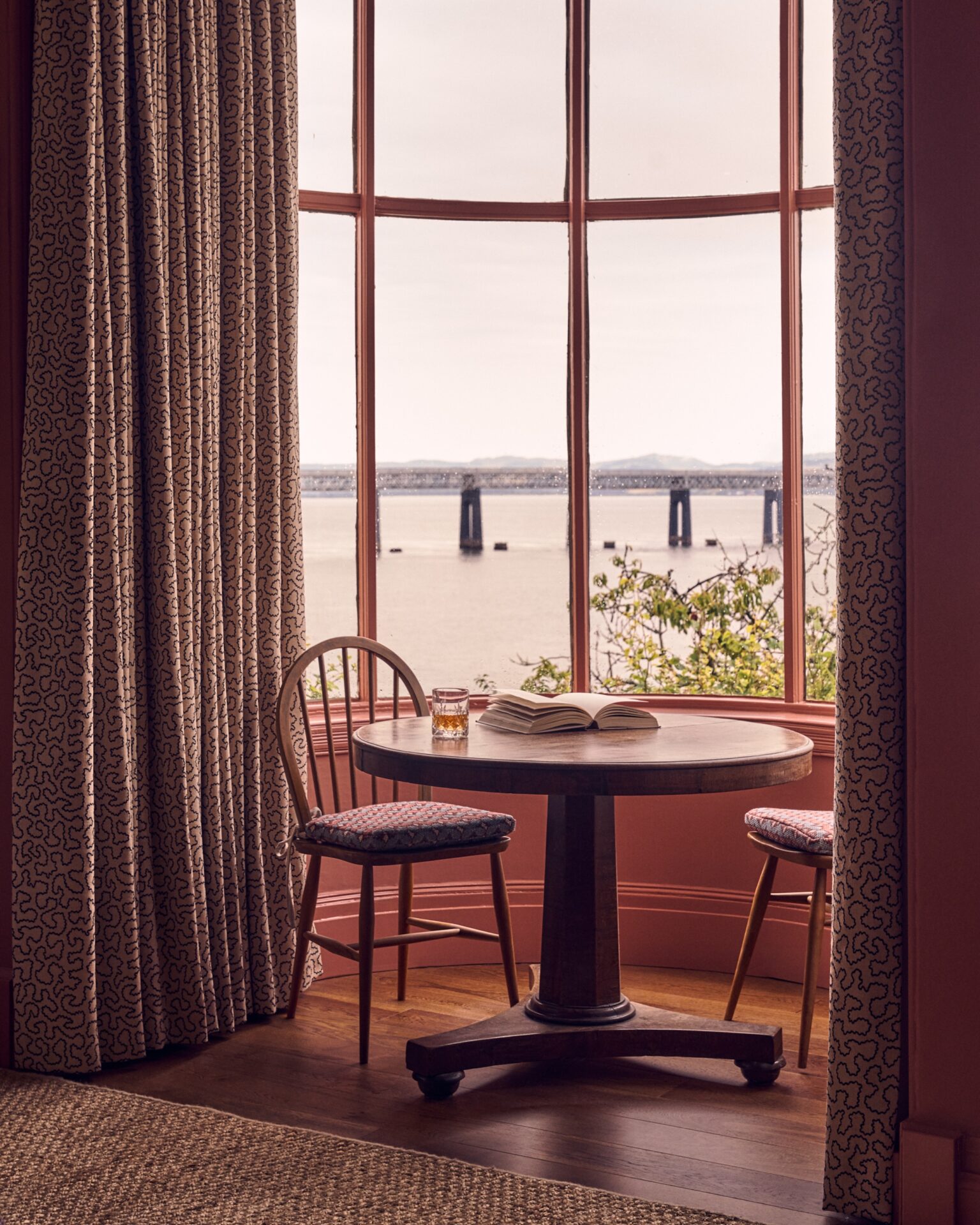
The bay window that is the house’s period centrepiece now features a small dining table and chairs, whether for working at a laptop or having a cup of coffee and watching the boats go by. However, these pieces are also easily movable, for a very important reason, says McGarry: “The family spend most of their Christmases here, and that’s where the tree goes – it was the number-one priority.”