Voices from the Past
A pioneering Arts & Crafts home when it was first designed, One Palace Green is now a super-prime development – but what remains is the same strong vision of how art, architecture and interiors can come together
Victorian artist and aristocrat George Howard – later the 9th Earl of Carlisle – was a friend and patron of the Pre-Raphaelite and Arts & Crafts movements, so when it came to building his London home, he enlisted their help. Located close to Kensington Palace, One Palace Green was designed in the 1860s by the quintessential Arts & Crafts architect, Philip Webb, with interiors by William Morris and paintings by Edward Burne-Jones. Now, the house has entered the super-prime market (divided into five separate residences, plus a coach house) thanks to developer Redd, who commissioned Martin Kemp to bring the interiors up to date.
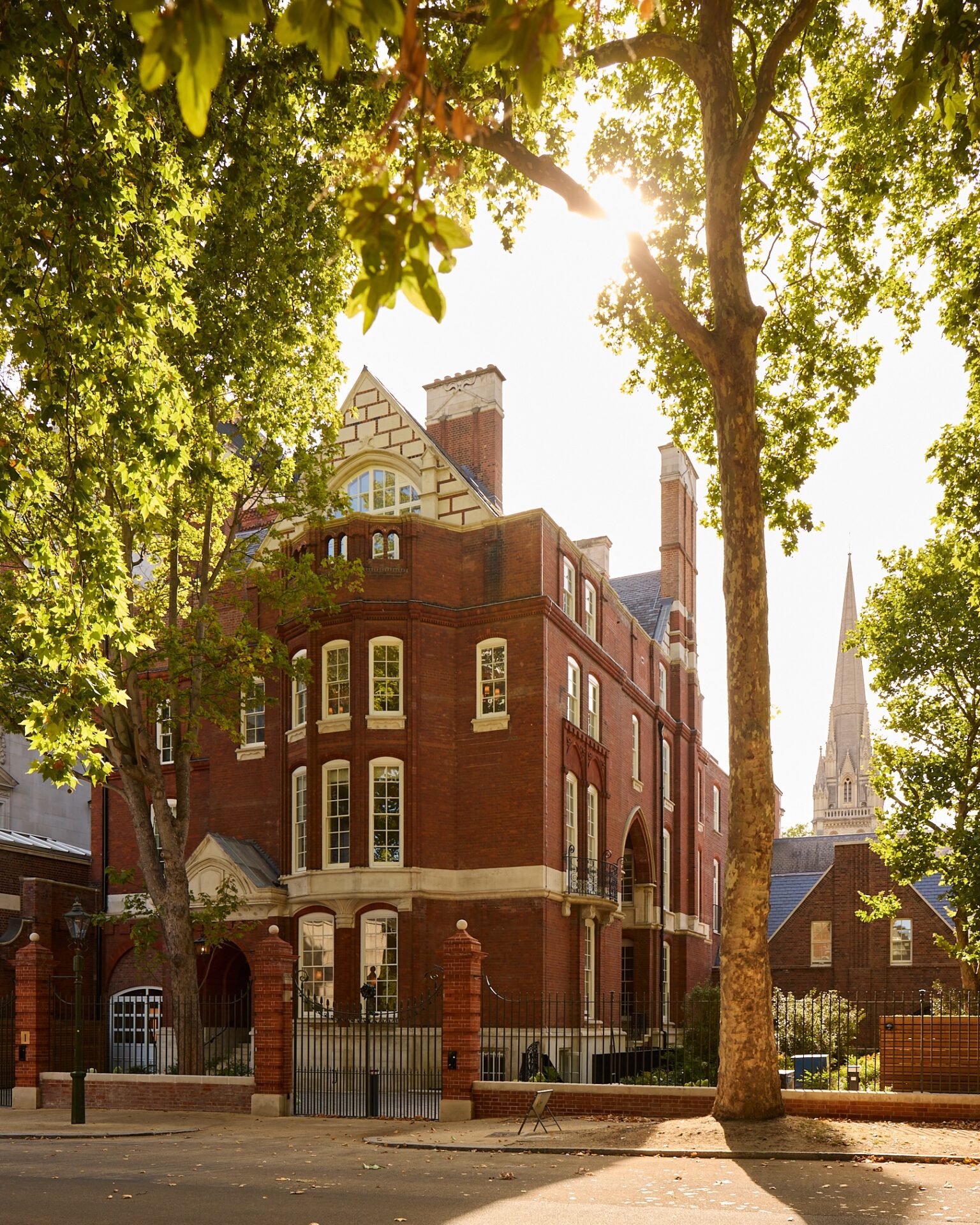
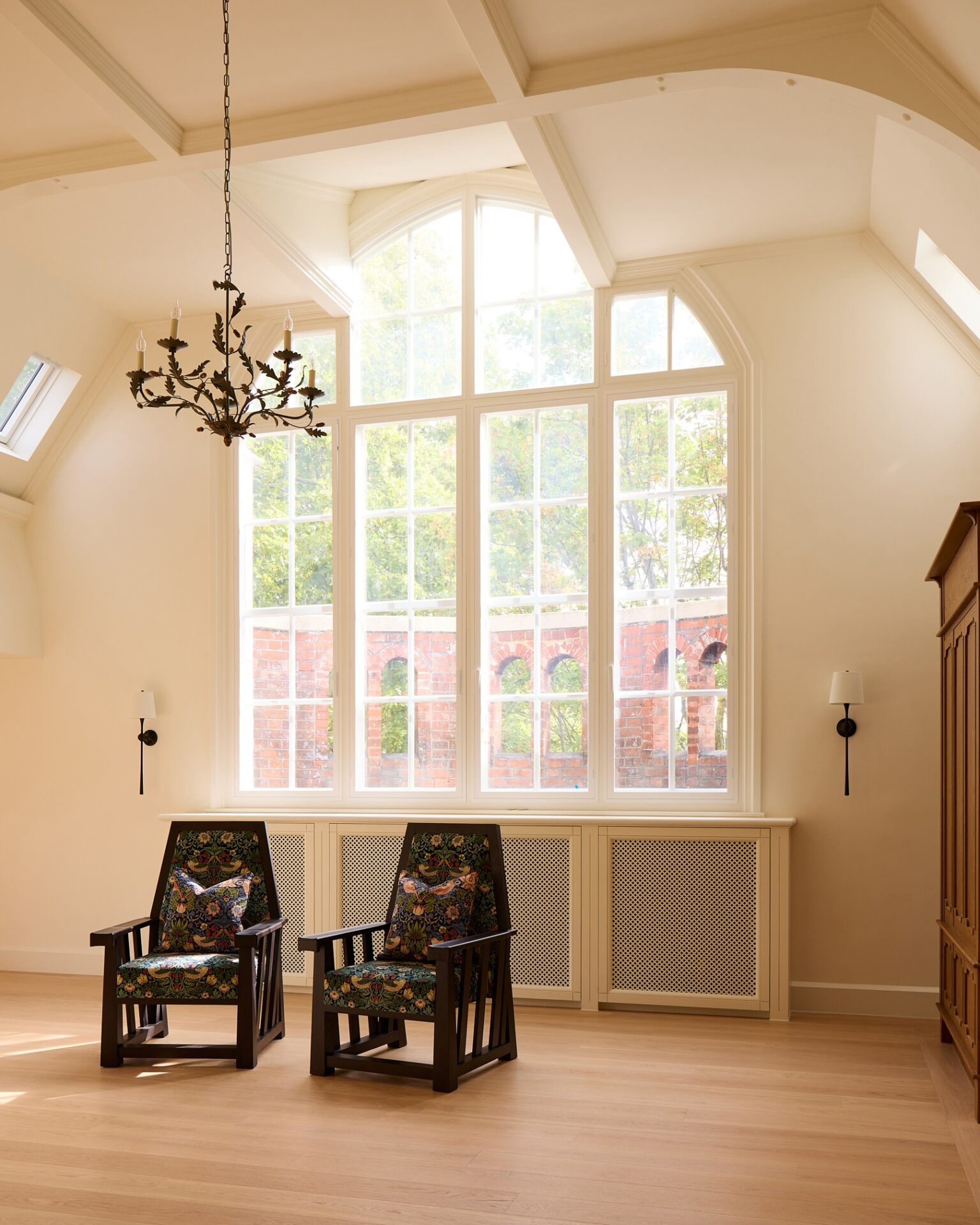
Not a lot was left of the house’s original decorative magnificence and cohesion (the Crown Commissioners broke it up into apartments in the 1950s, and it was later used as offices), but to Redd and Kemp, this was, if anything, an opportunity. Kemp says he didn’t want to design a Victorian interior, but those Arts & Crafts references are there, in reinstated features such as the handsome architectural fireplace with its three mirrored panels in the dual-aspect reception room; Lincrusta wallcoverings; and clever cabinetry that looks like freestanding armoires, but in fact houses the air-conditioning ducts.
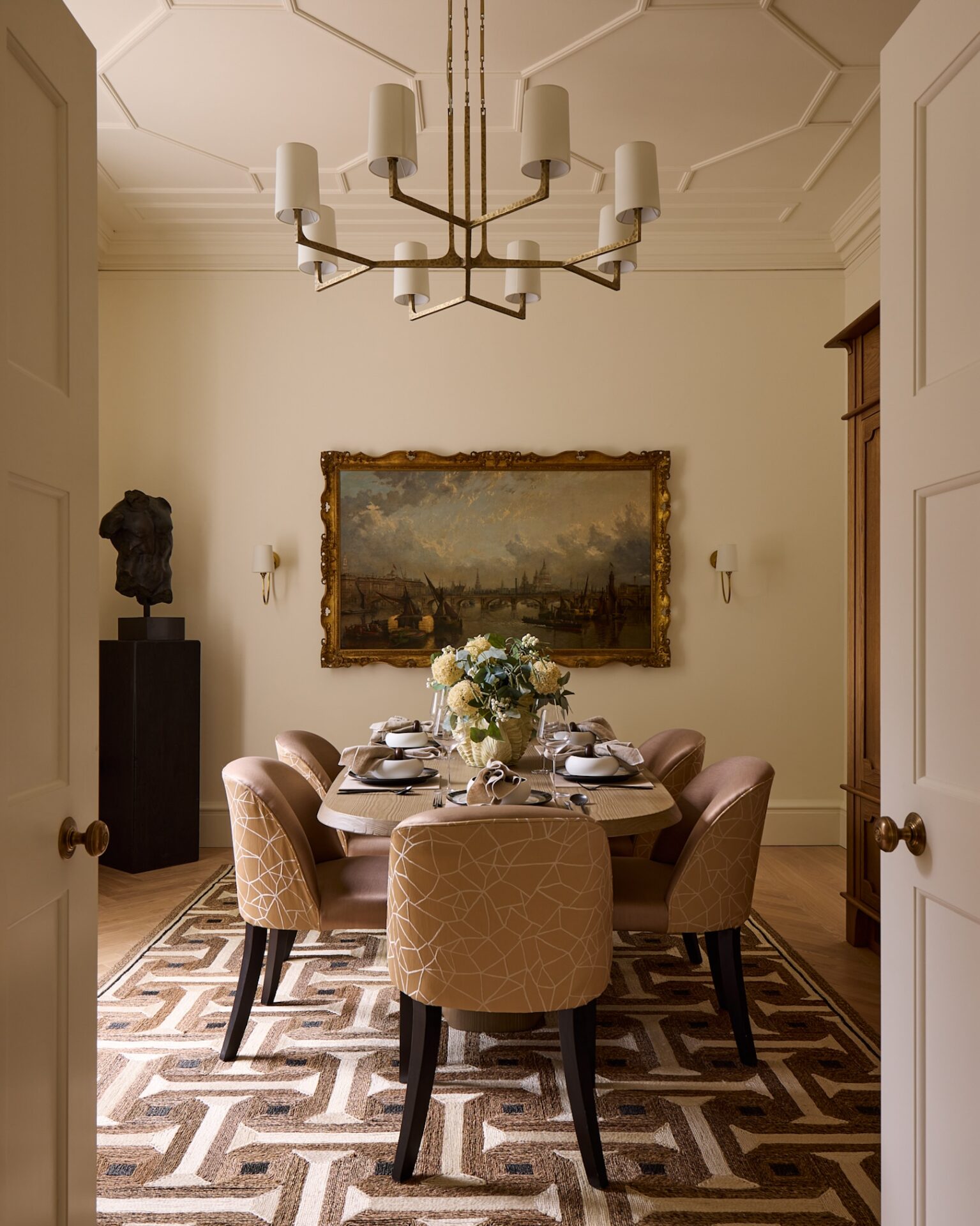
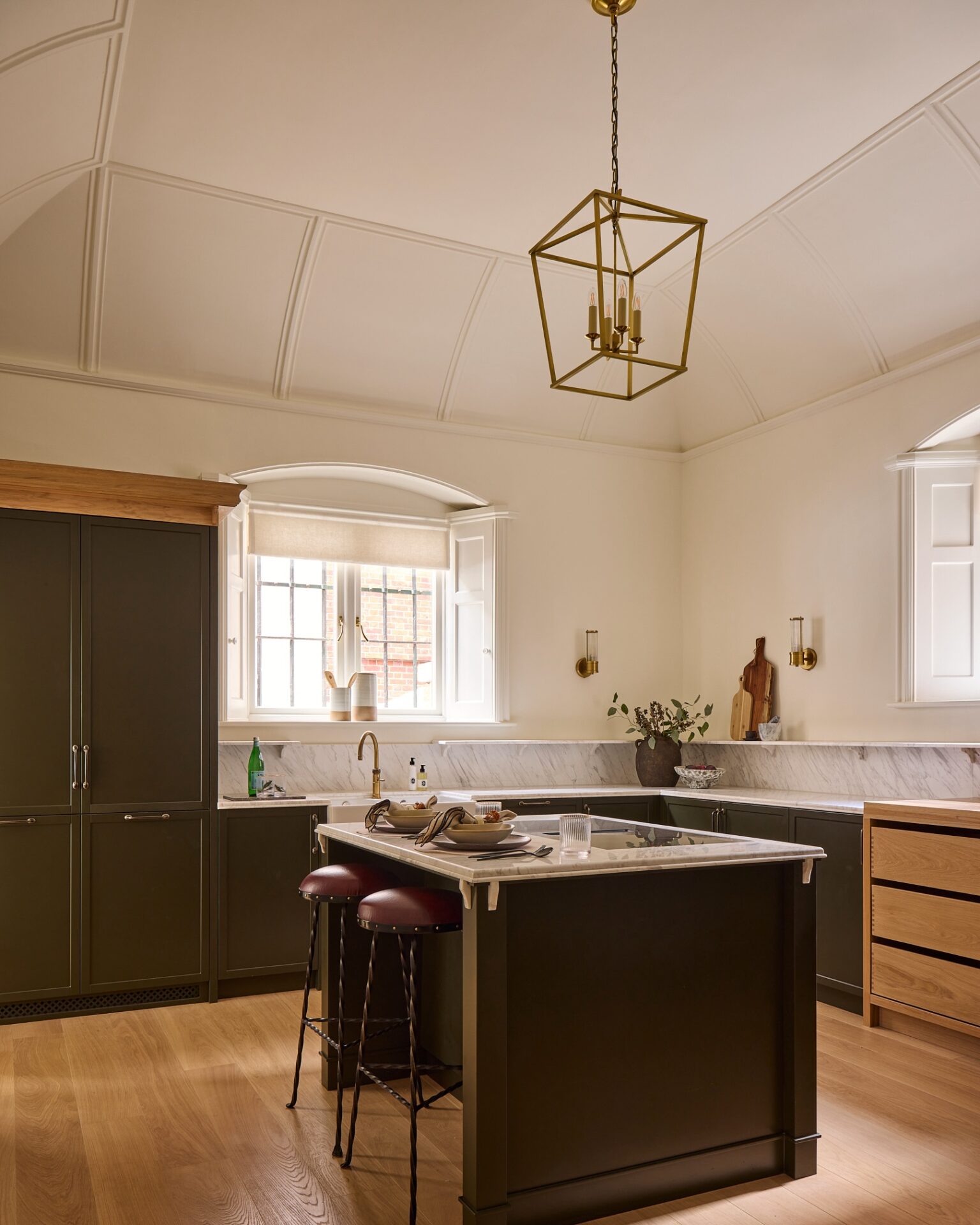
Kemp’s approach is about the spirit of the place, and the Arts & Crafts values that Howard and his wife Rosalind must have held dear: “It was about understanding why Webb and Morris designed in the way they did and translating those values for modern living,” says the designer. “When craftsmanship, proportion and materiality become the focus, the result feels timeless rather than historic.”
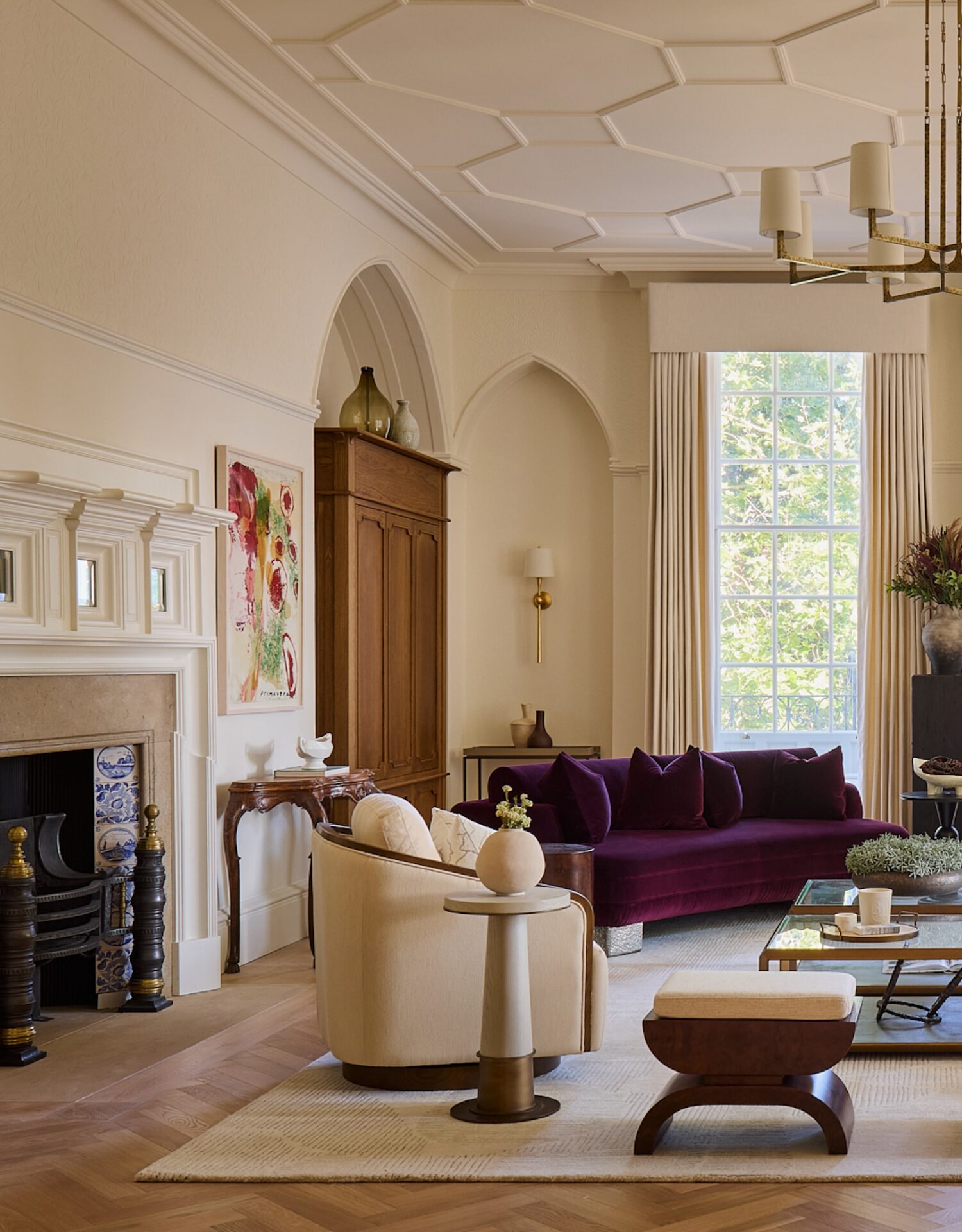
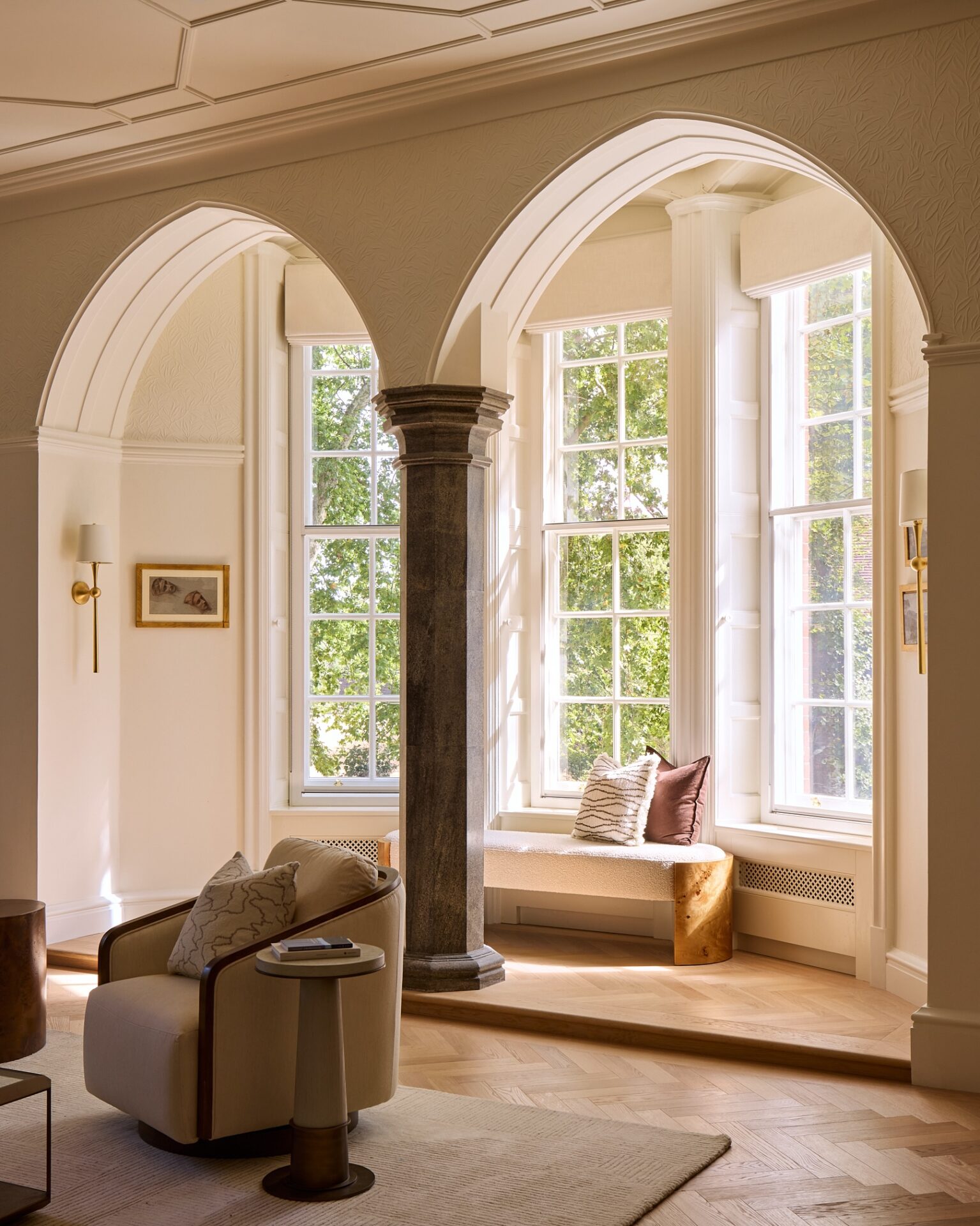
The first-floor show apartment is largely neutral in its approach, with cream walls and oak flooring, which provides an excellent backdrop for the eclectic artwork, selected in collaboration with Daniel Morris Art Advisory. There are traditional Victorian works and graphic contemporary pieces, but also works by 20th-century masters (including a Picasso print).
In the drawing room, Julian Schnabel’s raw and expressive screenprints with poured resin sit next to the fireplace, while at the opposite side of the room, works by Howard himself grace the marble-pillared niche formed by the bay window. Corridors are hung with a series of Gary Hume works, and posters from the 1972 Olympics. One guest bedroom has another pair of punchy Schnabels, but also an early-20th-century oil painting of three plump white pigeons by Scottish Royal Academician Archibald Russell Watson Allan.
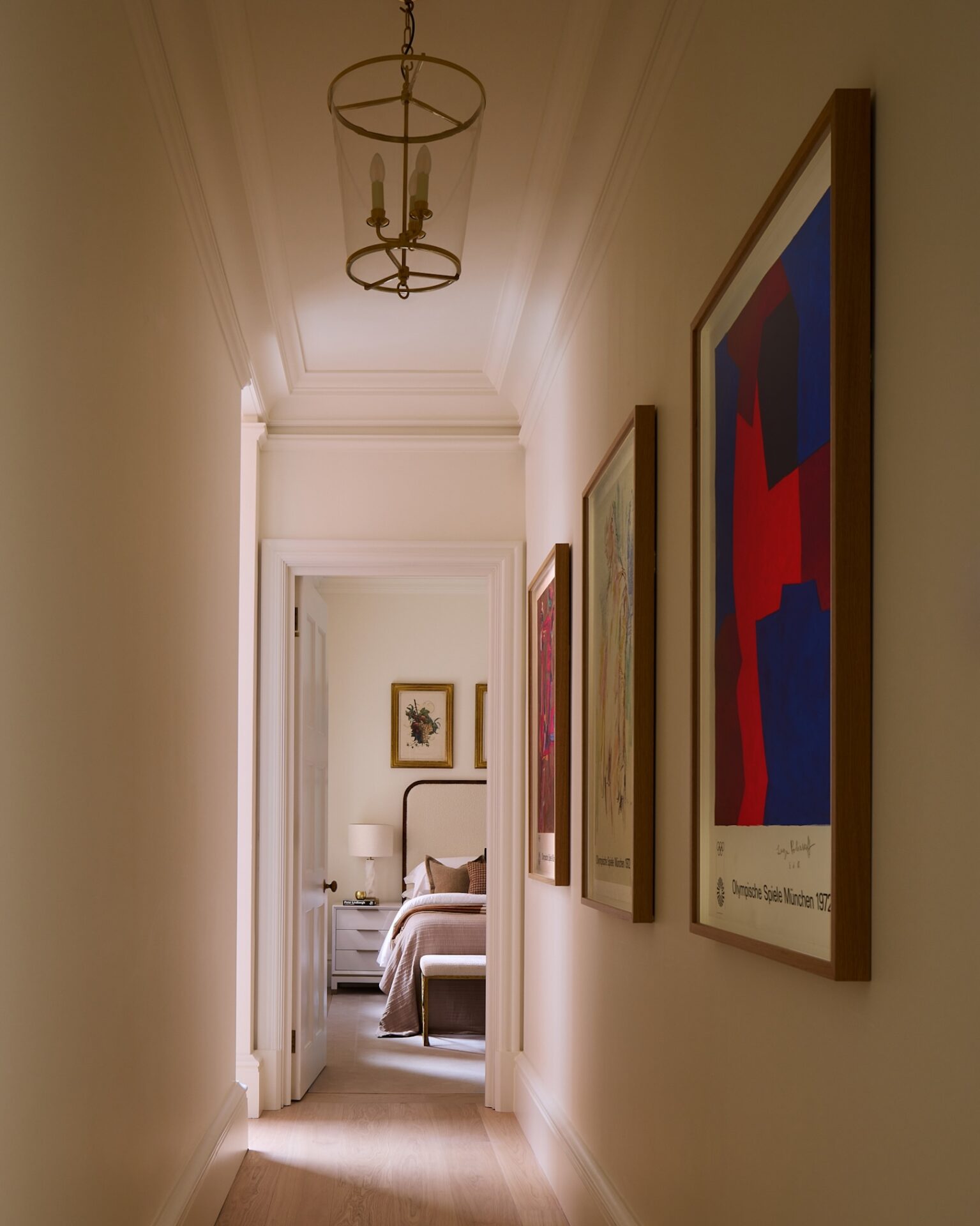
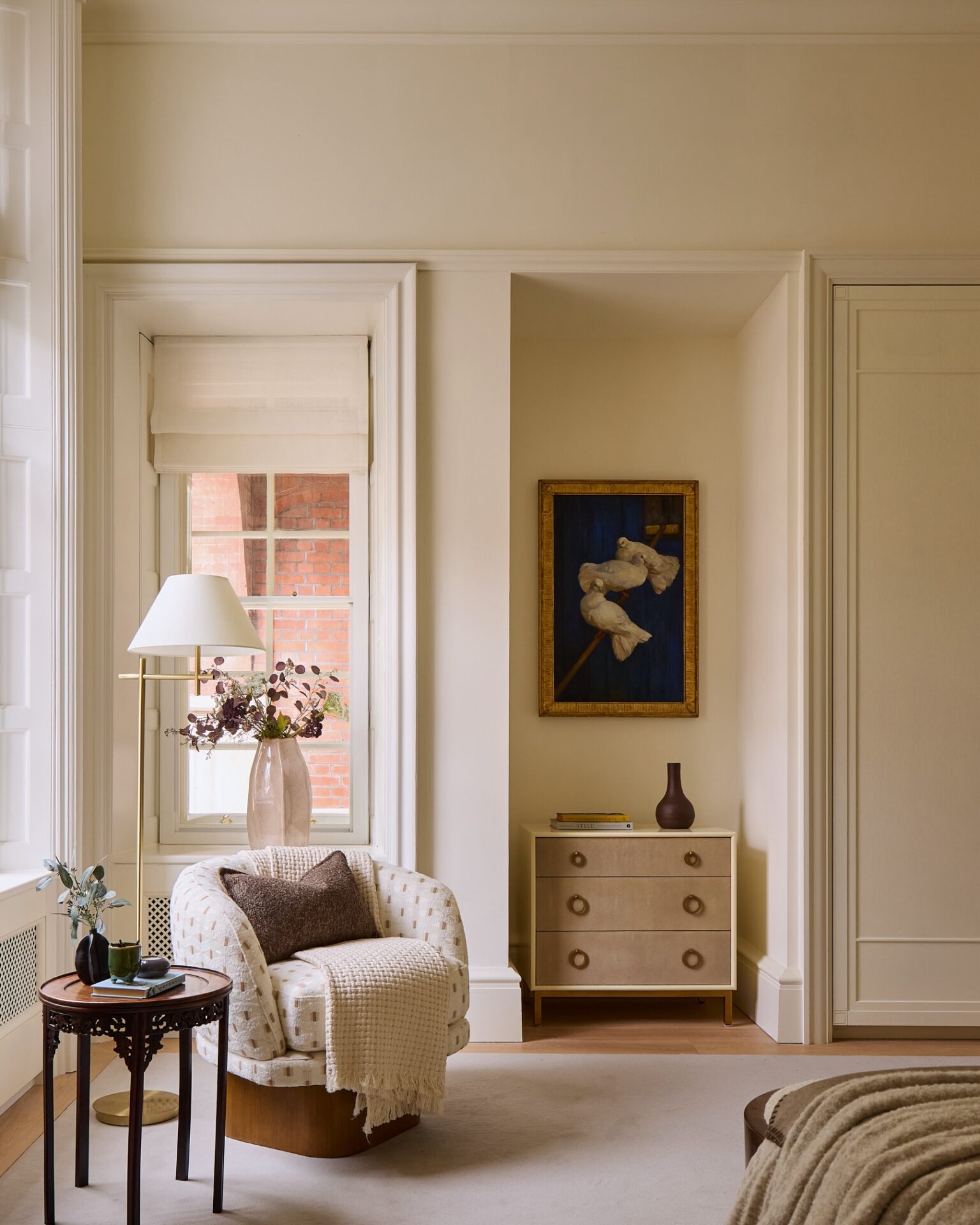
It’s a credit to Kemp that the mix works so well. “We wanted to ensure visitors experienced a little of the old and new combined, as essentially that is what the project entails – bringing an aged house into the 21st century – and we hope the art reflects this,” he says.
“Working with [Daniel’s] team was such a pleasure. In One Palace Green they have masterminded the perfect blend.” As a house originally commissioned for an artist and leading aesthete, it is fitting that, in its latest incarnation, so much trouble has been taken to make sure the rooms feel alive with art – they feel as though they are waiting for the eye of the collector who will come next.
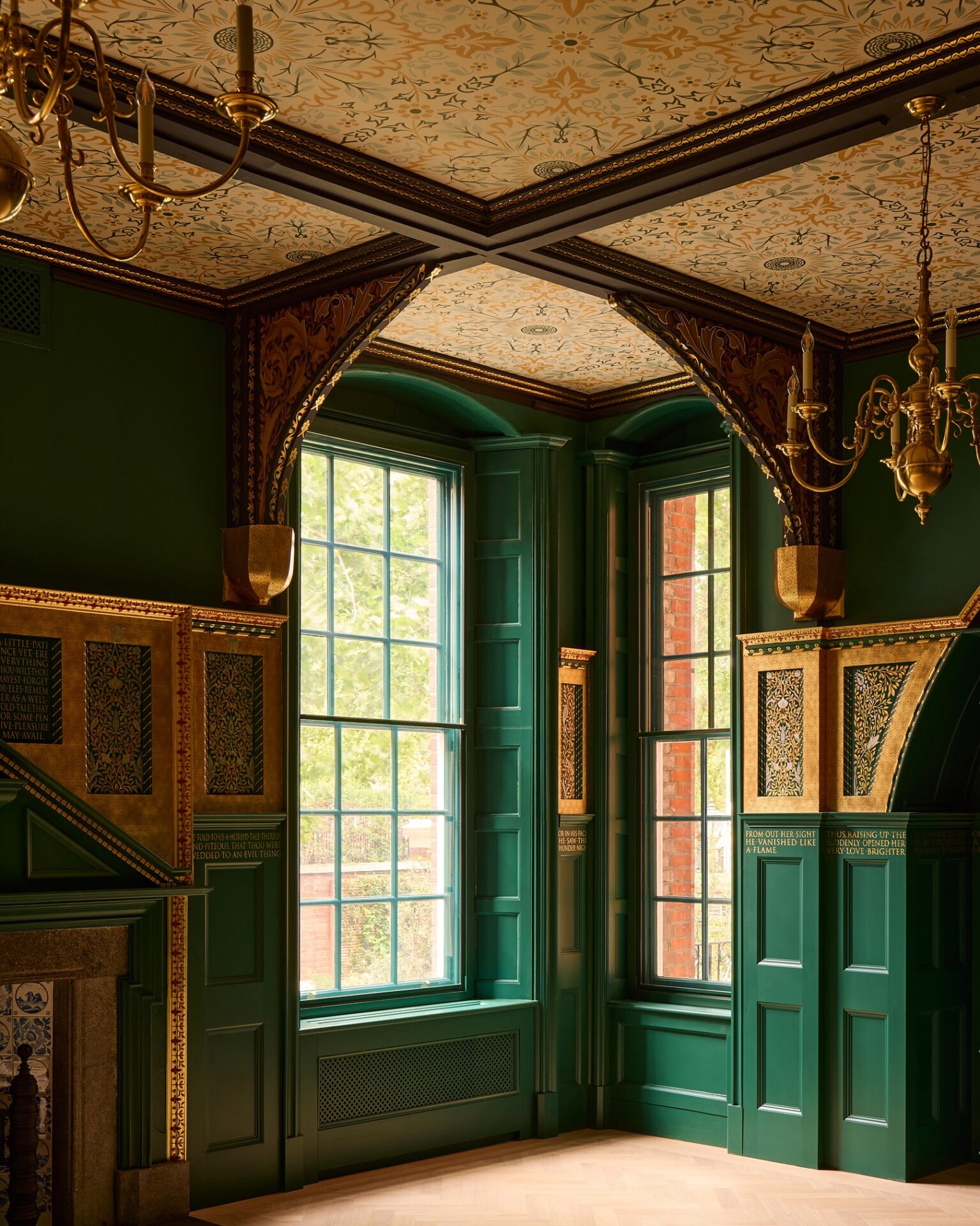
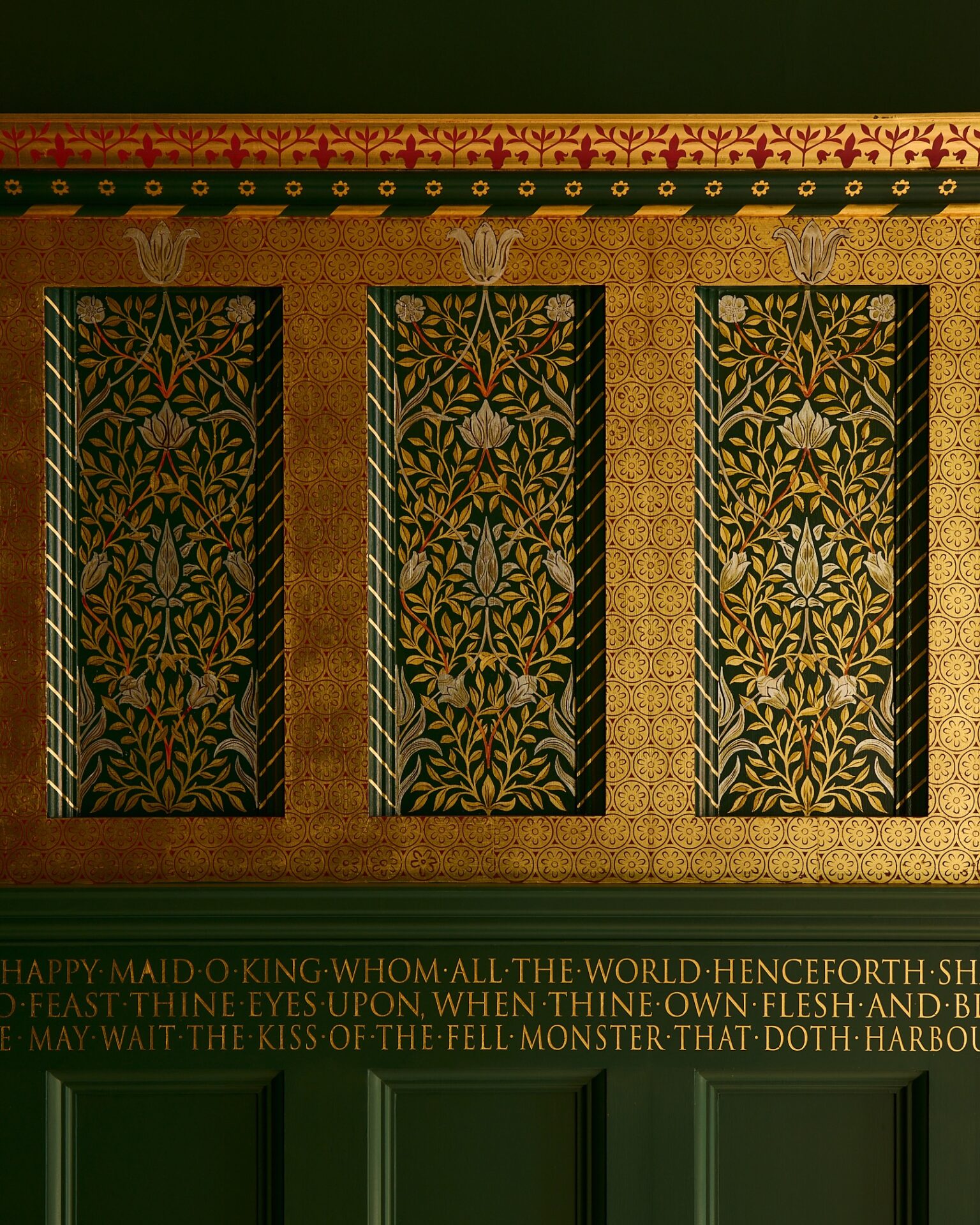
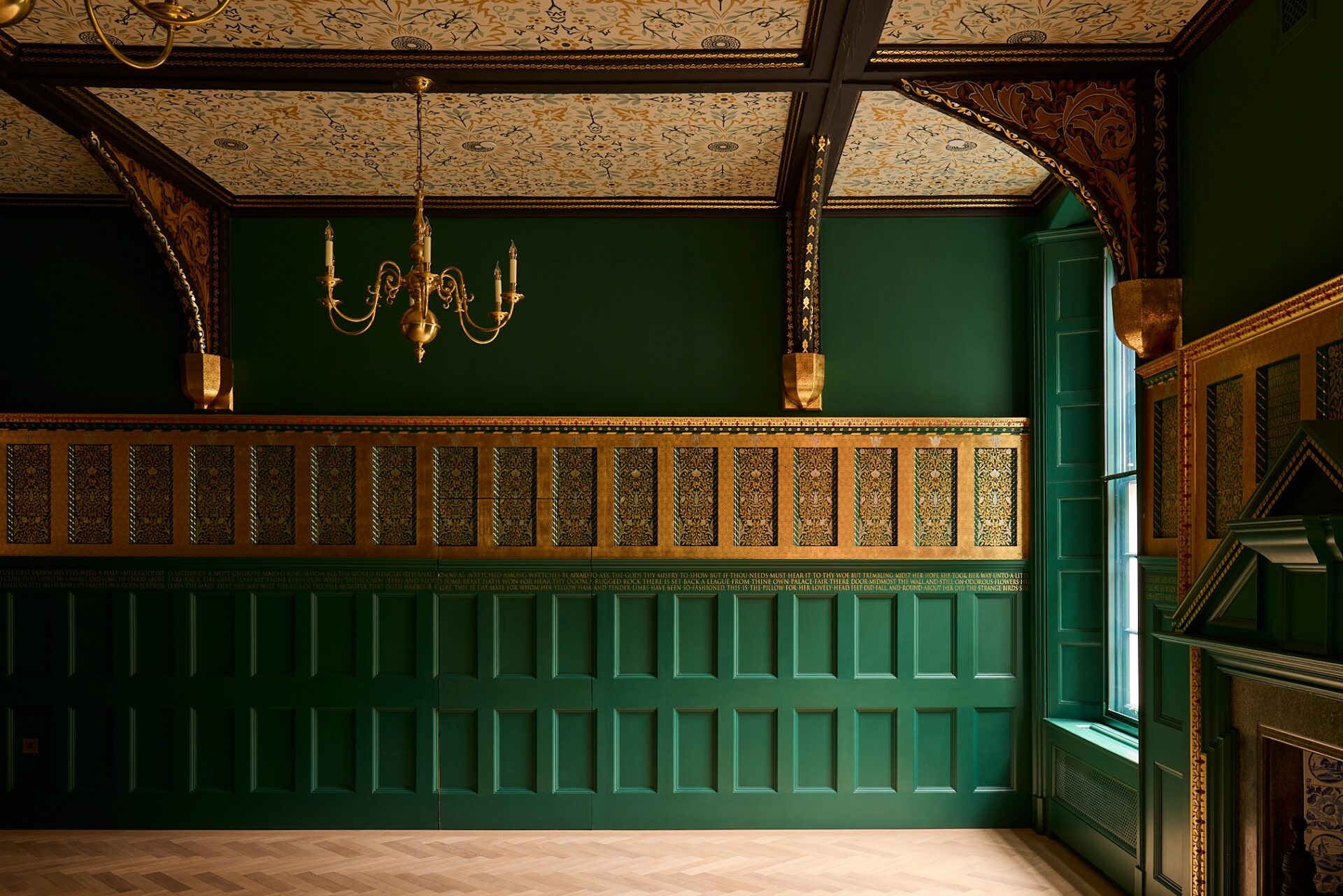
One space that deviates from this story of sensitive, but not slavish, design and restoration is the dining room, now part of a duplex apartment on the ground and lower-ground floors. Whoever eventually lives here will experience the full Arts & Crafts tour de force of peacock-green painted panelling, fine gilding, stencilled ceilings and inscriptions from Morris’ epic poem, The Earthly Paradise – all restored by specialists Britain & Co. The only thing that’s missing is Edward Burne-Jones’ frieze of 12 works depicting The Story of Cupid & Psyche (they’re now part of the Birmingham Museums Trust).
“We have restored many rooms of classical nature and detail before, having worked on countless grand houses and buildings, though none needed to adhere to such a colourful and decorative heritage so closely,” says Kemp. “It’s rather special, probably the most important room in the building.”
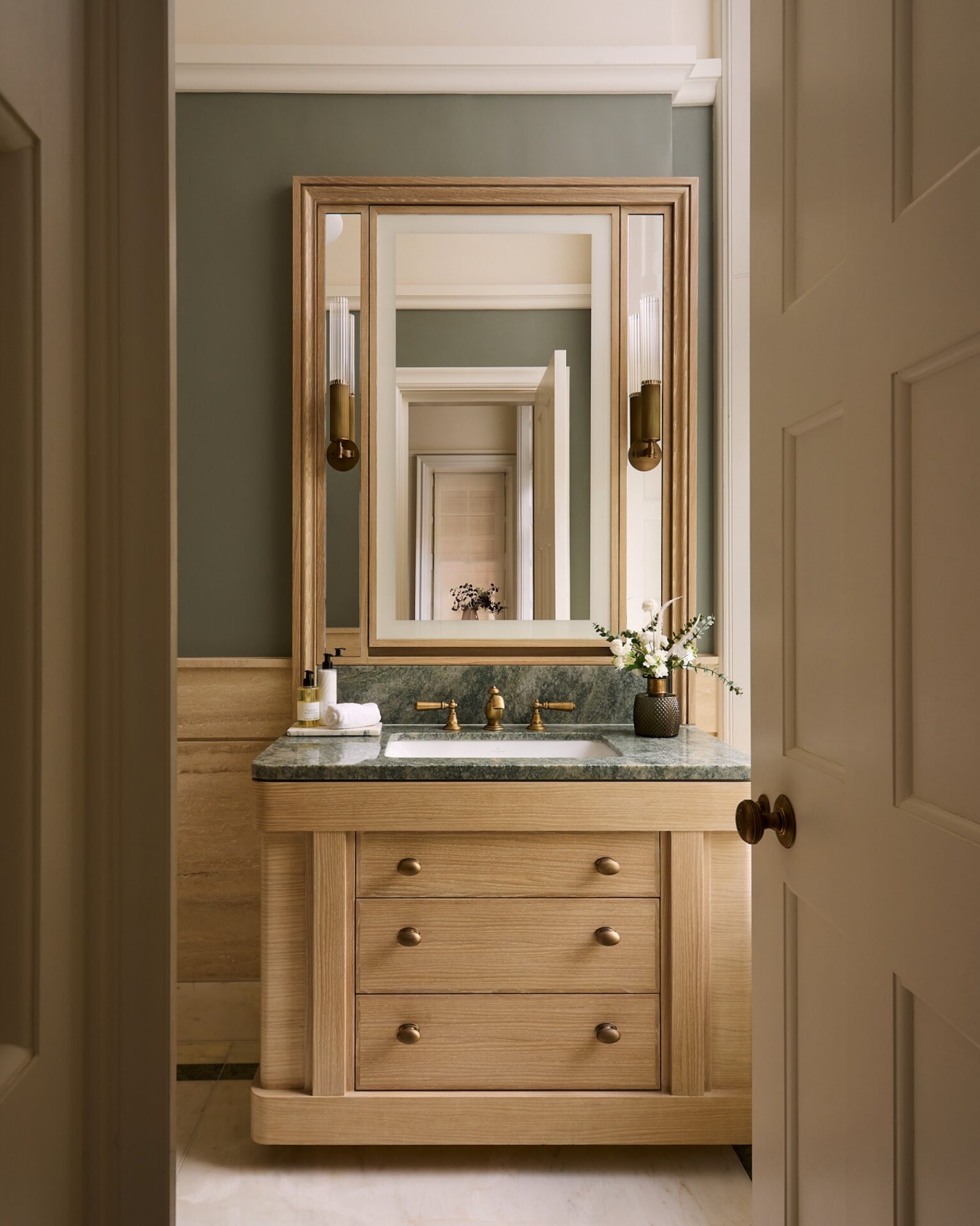
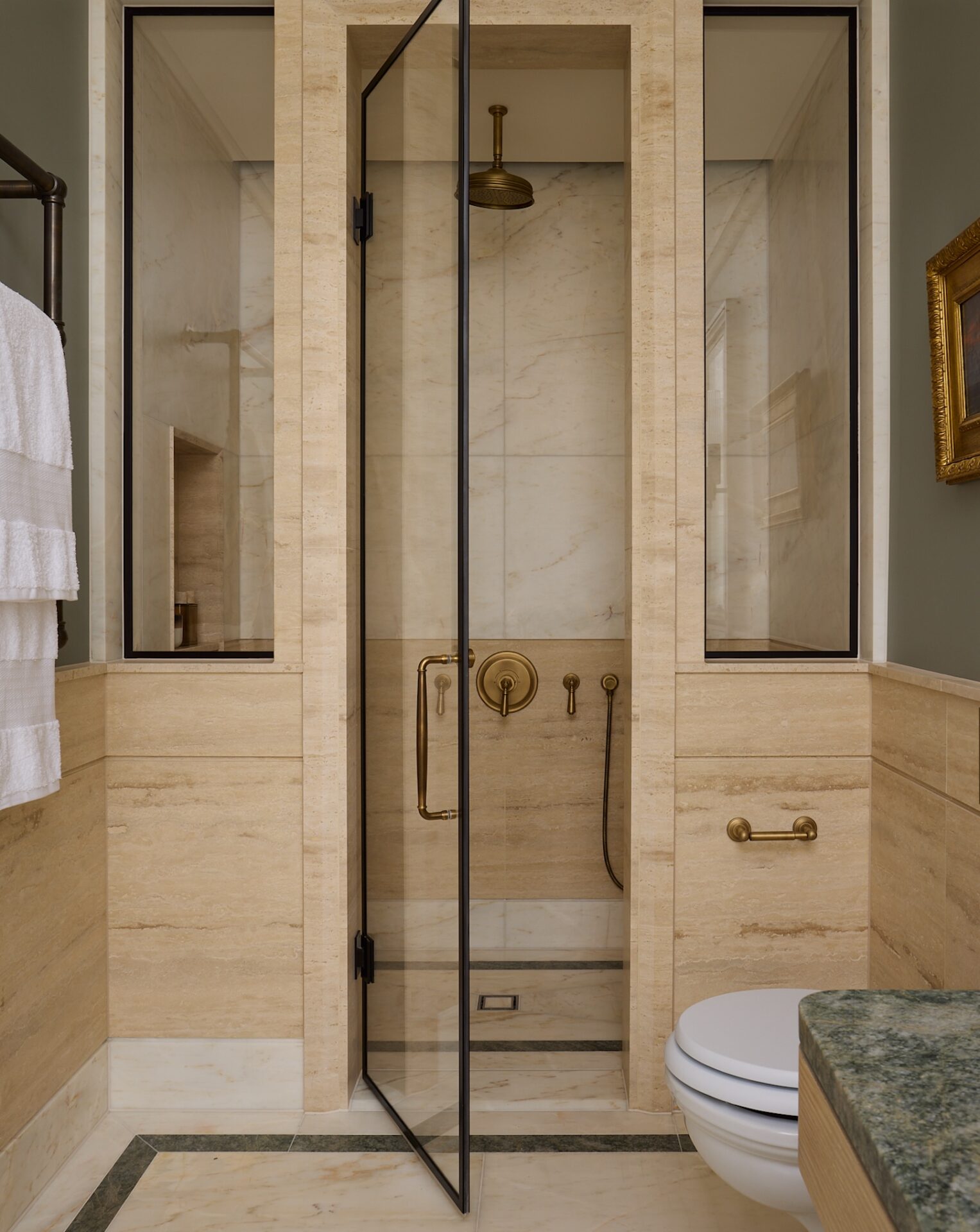
Given One Palace Green’s super-prime location, it might be hard to see the radical ideas that informed it when it was first built – for example, the Crown Estate strongly objected to the honesty of Webb’s red-brick exterior, at a time when hiding the facade behind a dressing of Portland stone was the accepted norm. When George and Rosalind Howard created their home, they had a strong vision of how art, architecture and interiors might be brought together. Original features may have been lost, but thanks to Redd and Kemp’s pragmatic approach, some of those ideals survive.