Design In Motion
Stelly Selway interior design studio sought to transform this London townhouse into a space filled with character and depth, drawing from the owner's combined Chinese and Scottish heritage
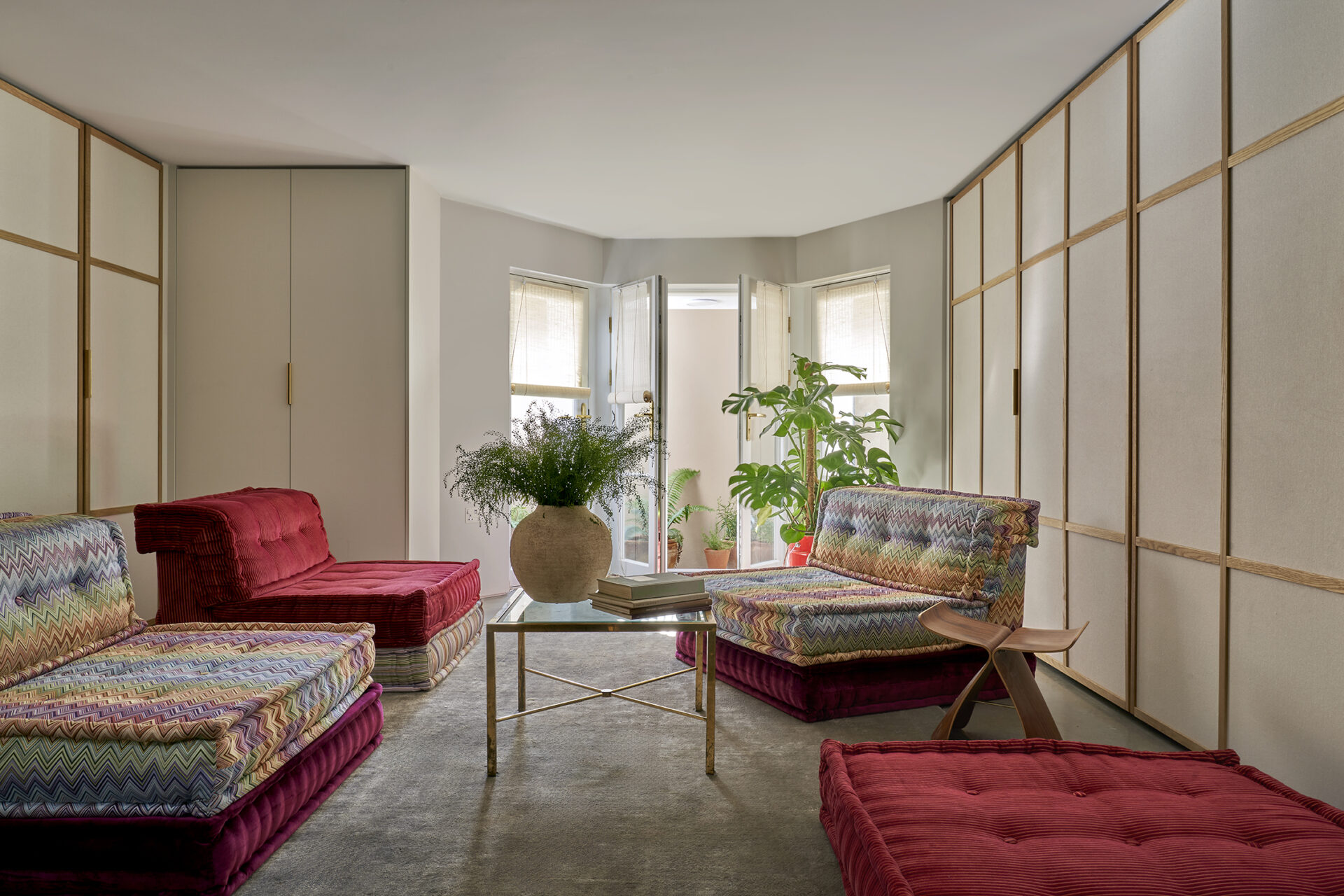
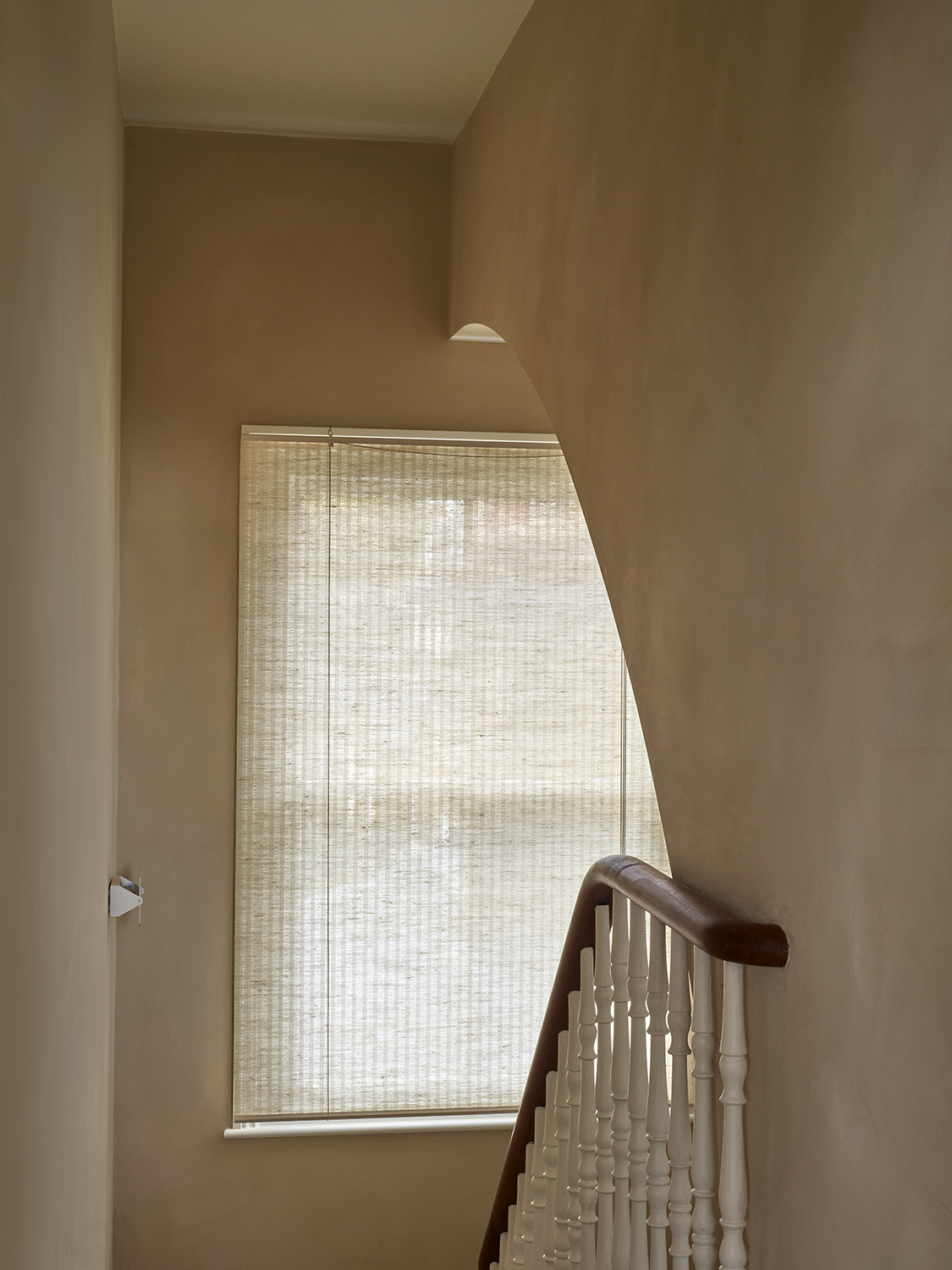
In this riverside townhouse in west London, movement is everywhere: in the limewashed walls catching dancing light, in the softened geometry of curved walls, in the ebbs and flows of family life.
It wasn’t always thus. When interior design studio Stelly Selway – led by Tanya Selway in London and Benjamin Stelly in Austin, Texas – were brought on, before building work had started, movement was the very thing that was lacking. Mired in years of planning applications and held up by the pandemic, the project had lost momentum. Paradoxically, this was a gift. ‘We actually came in at the perfect time,’ says Tanya. Early conversations with their clients left them brimming with fresh perspectives on the architects’ drawings.
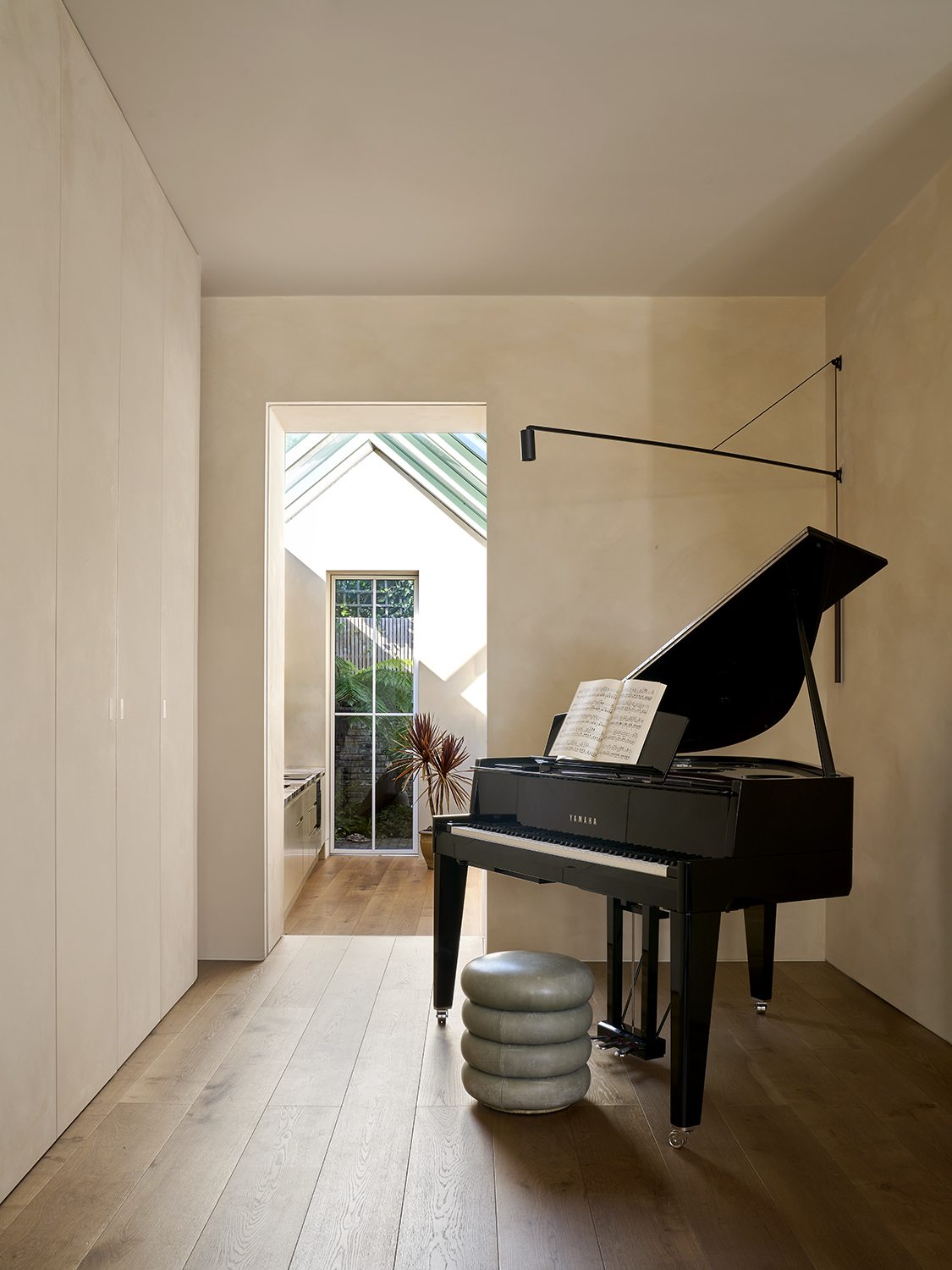
One of these surrounded spatial logic. The clients had their heart set on a baby grand piano, but the plans didn’t allow for one. Realising how important it was to them, Stelly Selway reconfigured the ground floor, installing a half-wall into an otherwise dead zone, carving out space for the instrument and turning a corridor into a focal point in the process. Upstairs, conversations about light led the studio to reorganising the master suite, creating an enfilade between bedroom, dressing room and bathroom and pulling light from the river-facing windows throughout.
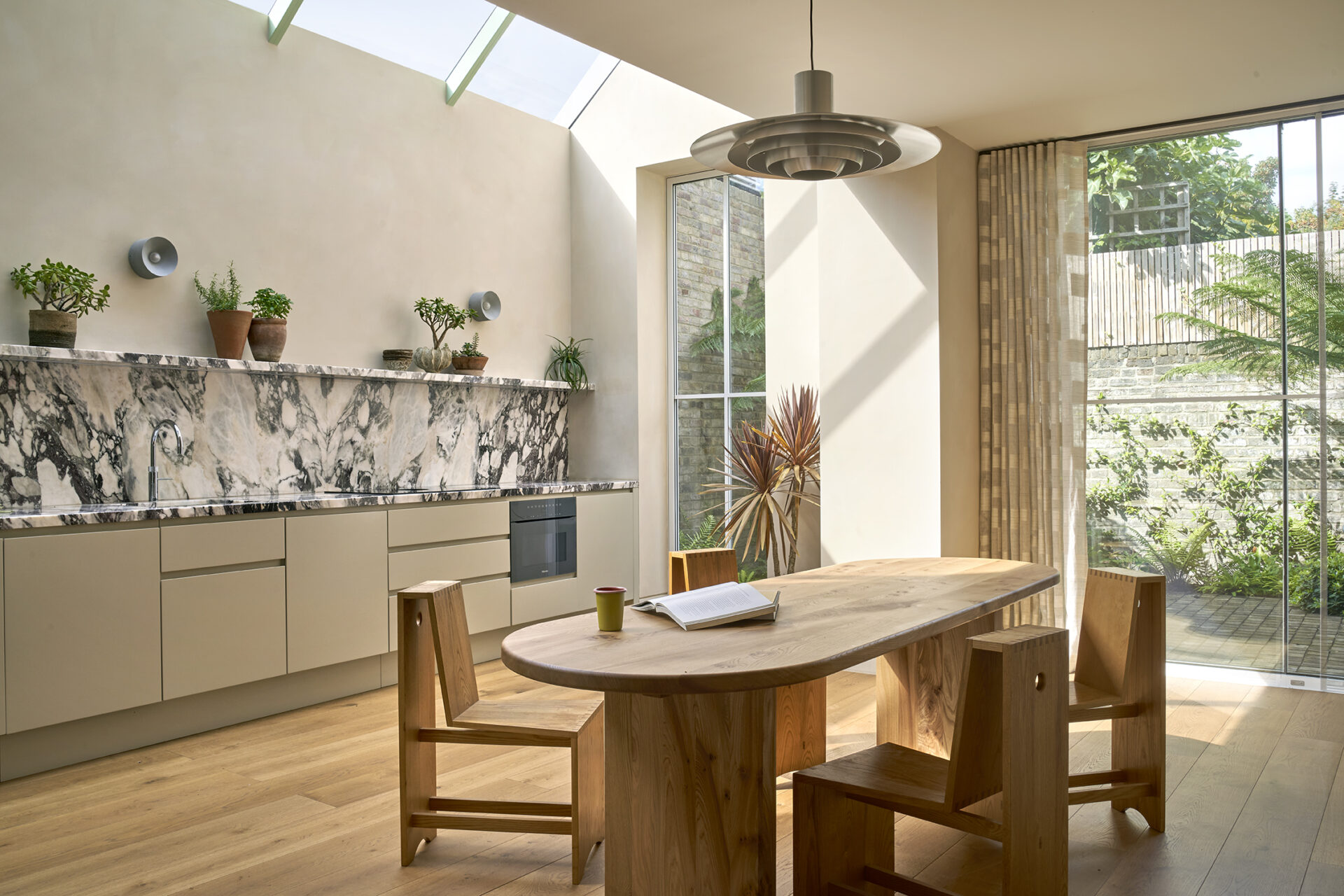
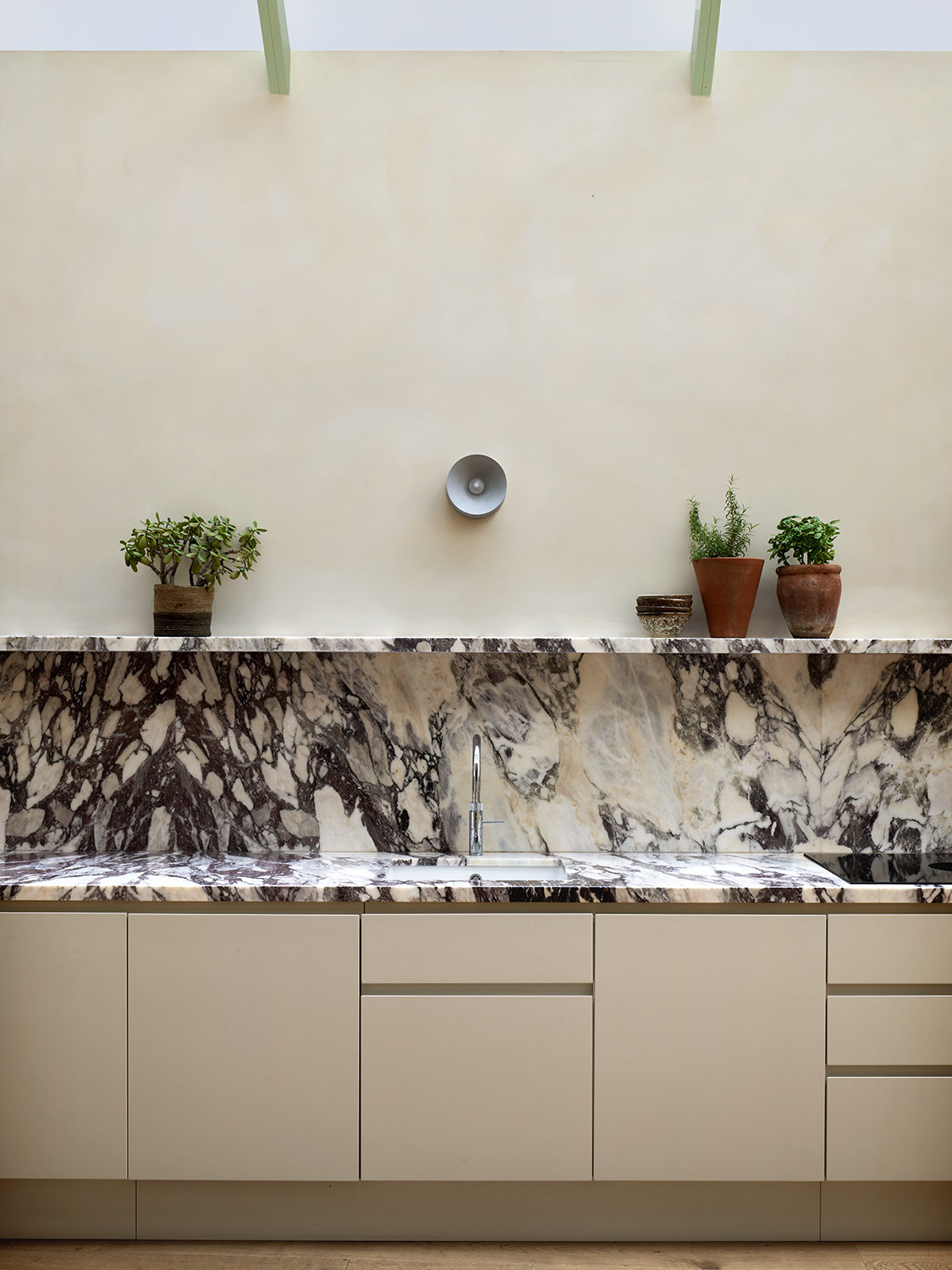
Such empathetic conversations are, Tanya explains, a Stelly Selway hallmark. The duo like working out what makes their clients tick. Here, that meant drawing on the owners’ respective backgrounds (hers Chinese, his Scottish). Tanya remembers visiting their existing home and seeing her client’s mother amid steam and flames in the kitchen; realising how important Chinese feasting was to the family, Stelly Selway subsequently specified stain-, oil- and heat-resistant stone for the new kitchen, its painterly grain particularly forgiving of splatters. Throughout, materials became the primary conduit for cultural expression: shoji screens, silks and grasscloths join tweeds, wools and shearling in a subtle, texturally diverse meeting of worlds.
Many of the colours in the project come from a Highland-inspired palette of greens and palest earth tones, but art was another touchstone, namely the river-focused works of Julian Trevelyan, a piece of whose the clients owned, and the watery London dreamscapes of James McNeill Whistler. ‘We used those artists to tap into the colours of the river and the weather,’ says Tanya, ‘in a way that means the rooms are in constant conversation with what’s going on outside.’ The result is one of cohesive comfort and total naturalness.
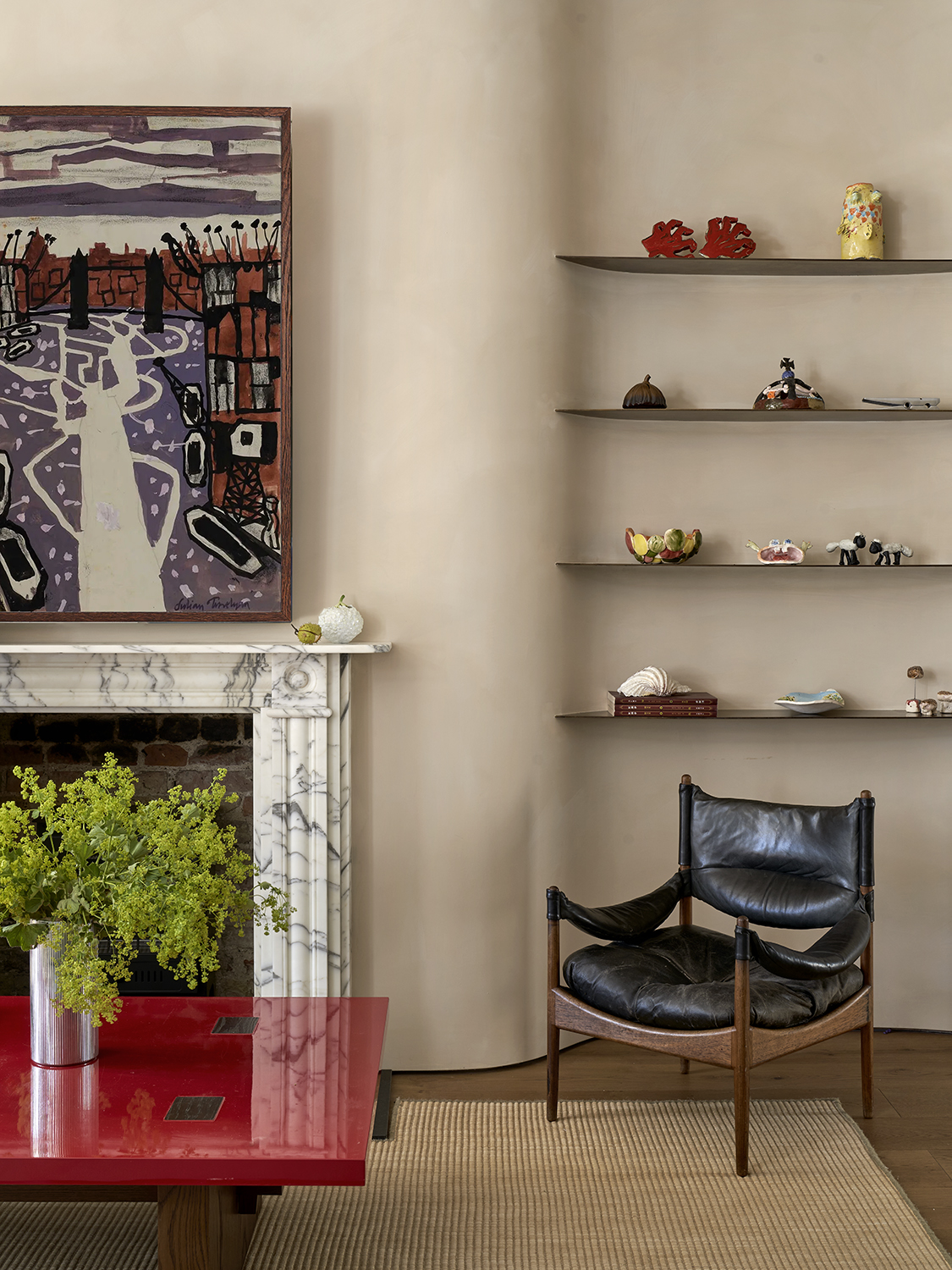
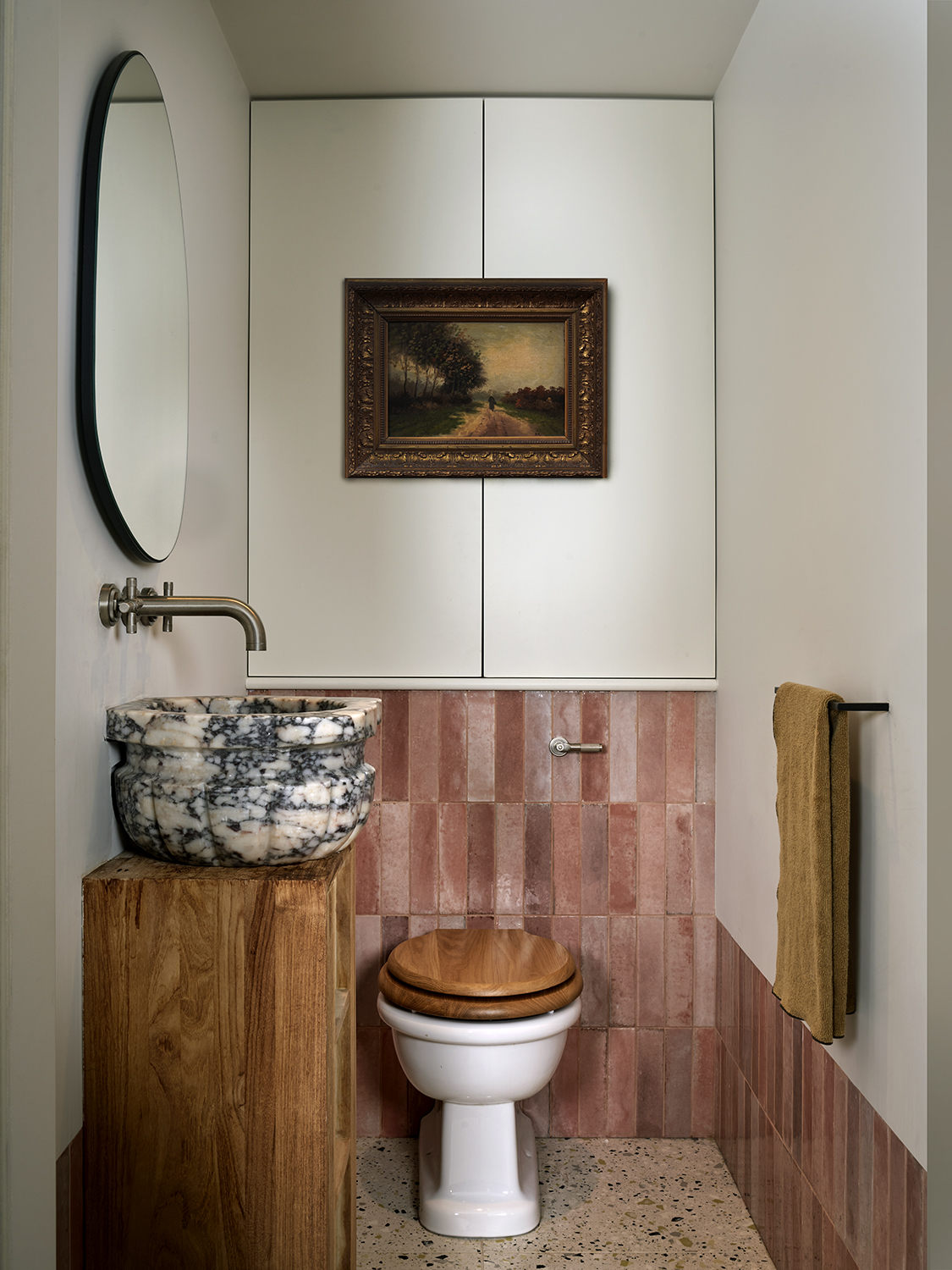
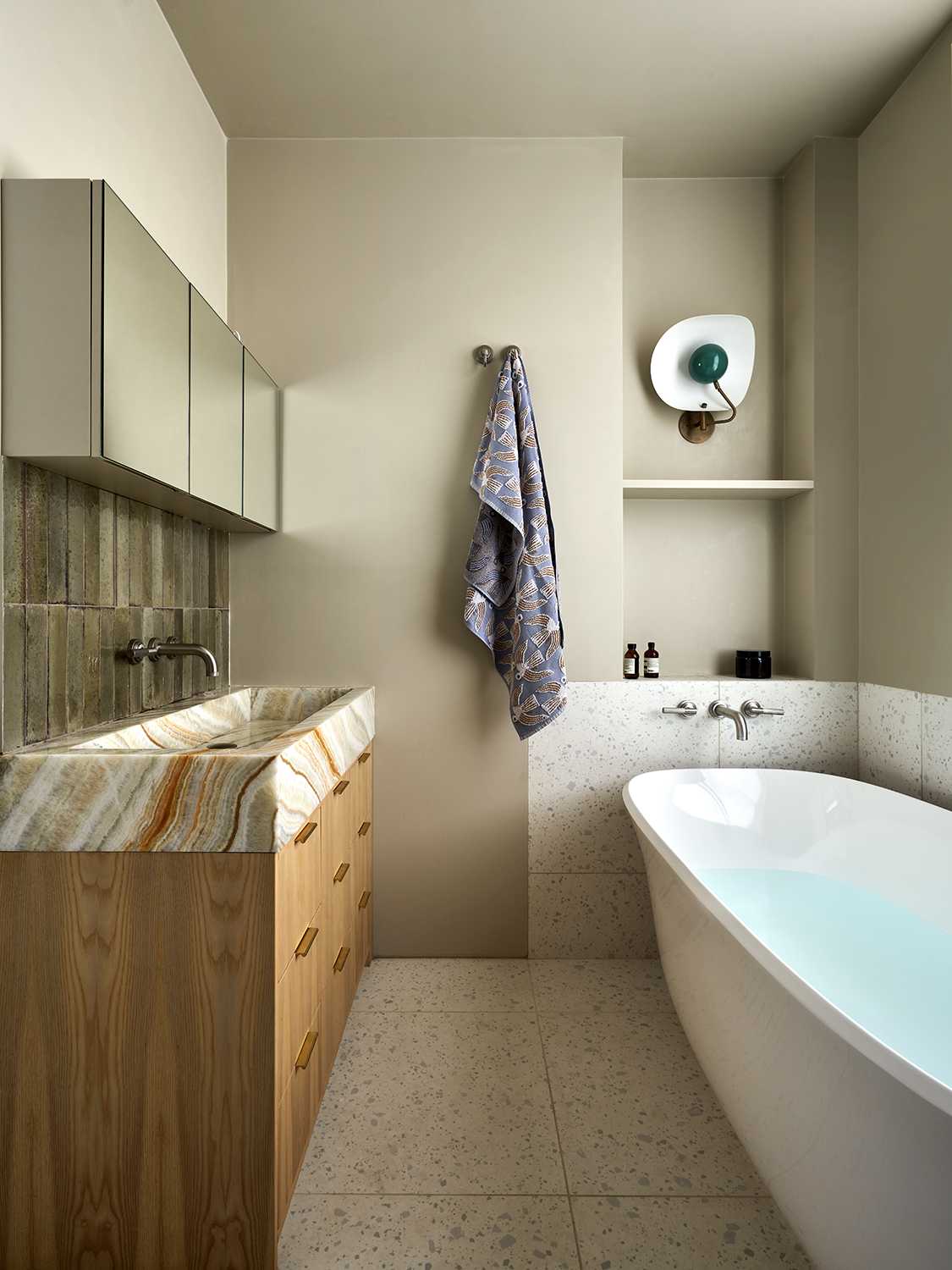
In rooms at the back of the house, not facing the river, texture and pattern became the guiding principles. Not competing with views, ‘we could afford to be a bit more out there,’ says Benjamin, referencing the master bathroom’s multicolour onyx basin, the kitchen’s wildly veined calacatta viola antico countertops and the pied beauty of natural limewash. This, Tanya explains, is a particular triumph; their clients were unsure something so characterful was right for the walls, but Stelly Selway were convinced. To win them over, the designers asked the couple to see the walls just after plastering, to witness the play of light across the surface. Duly persuaded, they agreed happily to the studio’s specification of similarly textured Bauwerk paints.
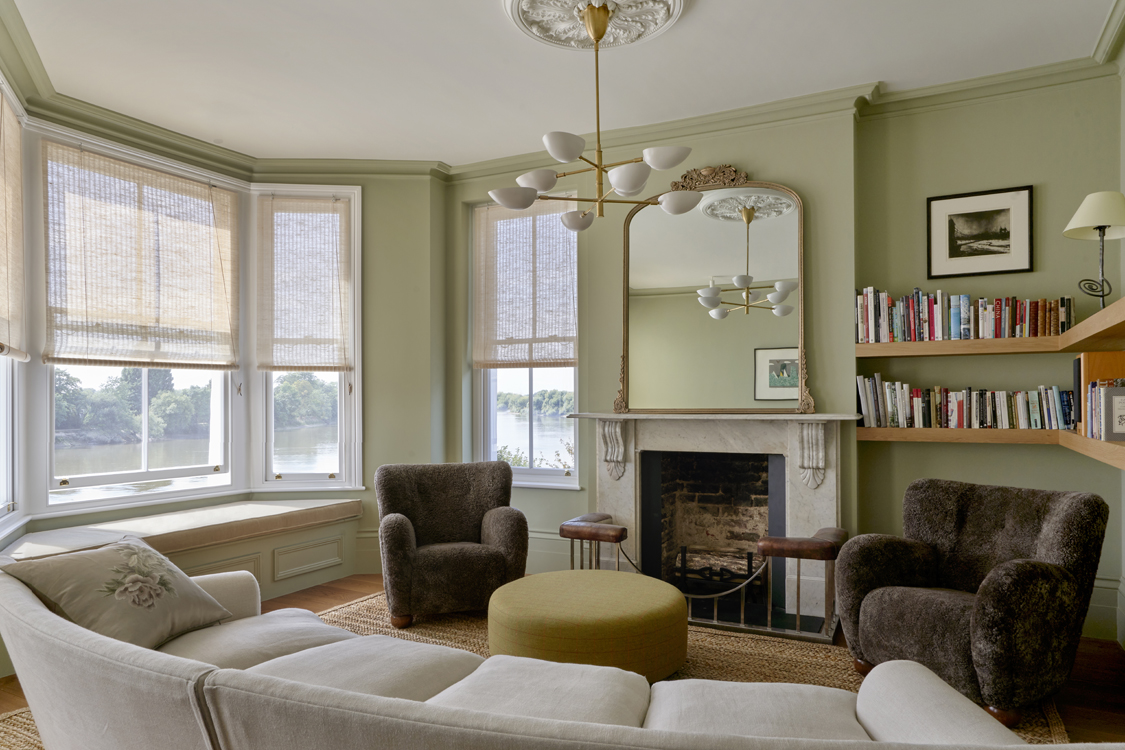
Seen as a whole, the house feels entirely naturally assembled rather than engineered, layered with objects, materials and references tied to the family’s histories and routines. The result is an interior with genuine specificity, wholly of its owners yet distinctly of its designers too. ‘That’s what I want from a project,’ Benjamin says. ‘When clients tell us that people walk into their space and say, “It feels like you,” it’s the greatest compliment.’