Urban Rebrand
Born from what used to be Nobu Shoreditch, Aethos London tunes in to the creative spirit of the area with updated interior design and a warmer approach to hospitality
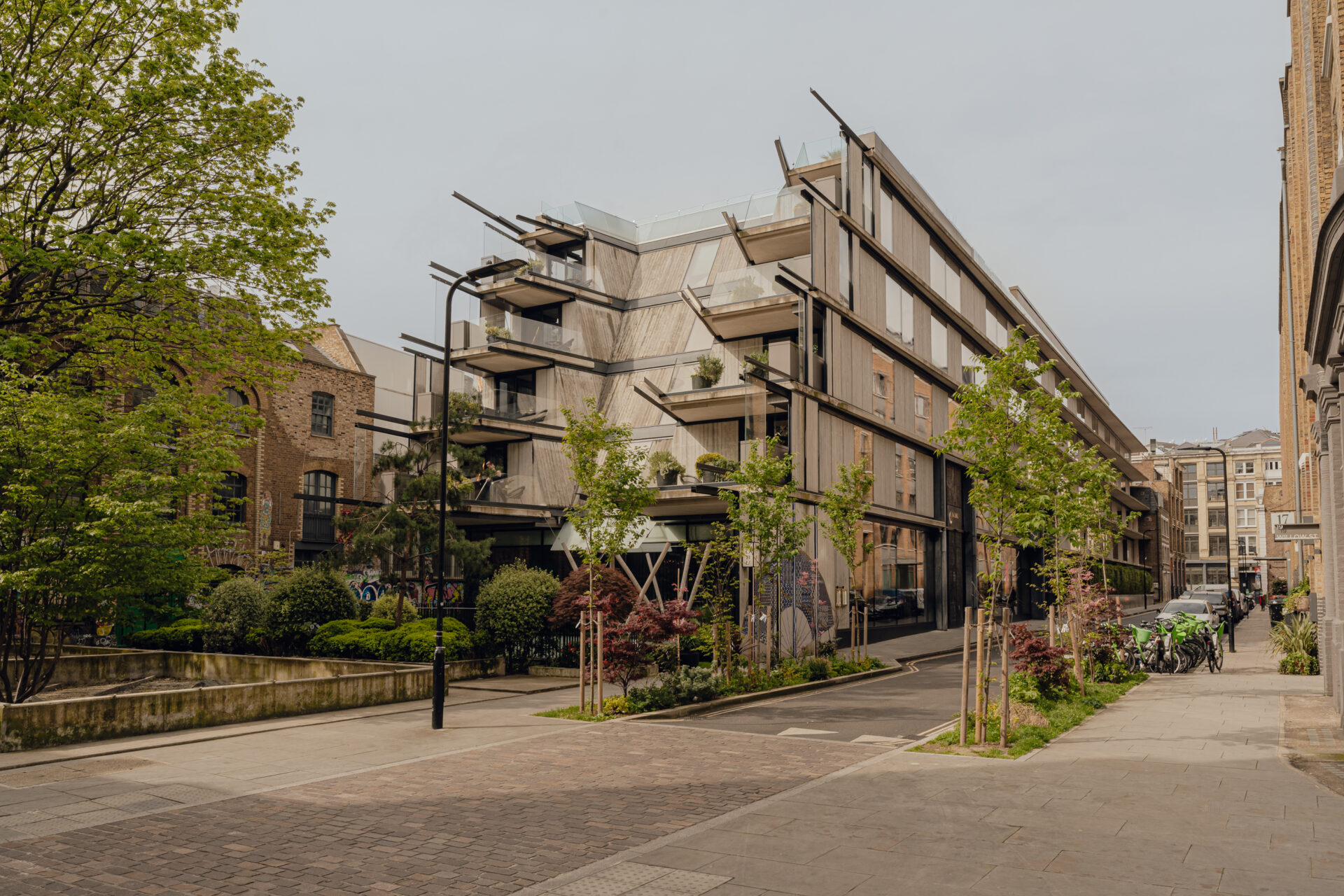
When Nobu Hotel opened in Shoreditch in 2017, the five-storey building designed by Ron Arad Architects and Ben Adams emerged in the area like a cruise ship. With its horizontal bands of glass and concrete, it felt somewhat at odds with the surrounding Victorian warehouses and factory buildings, many occupied by creative studios, independent cafés, bars and shops. As it transpired, the match was short-lived. The hotel closed in 2025 following the site’s acquisition by private equity firm Limestone Capital. In a relatively swift turnaround, the 164-room property was rebranded and reopened as Aethos London Shoreditch, marking the Swiss hospitality group’s UK debut.
Aethos, with its emphasis on community, culture and members’ club-style programming, feels more attuned to the youthful spirit of the neighbourhood than its predecessor. From the street, little has changed – the imposing façade remains – but inside guests are welcomed by warmer interiors redesigned by Barcelona-based Astet Studio.
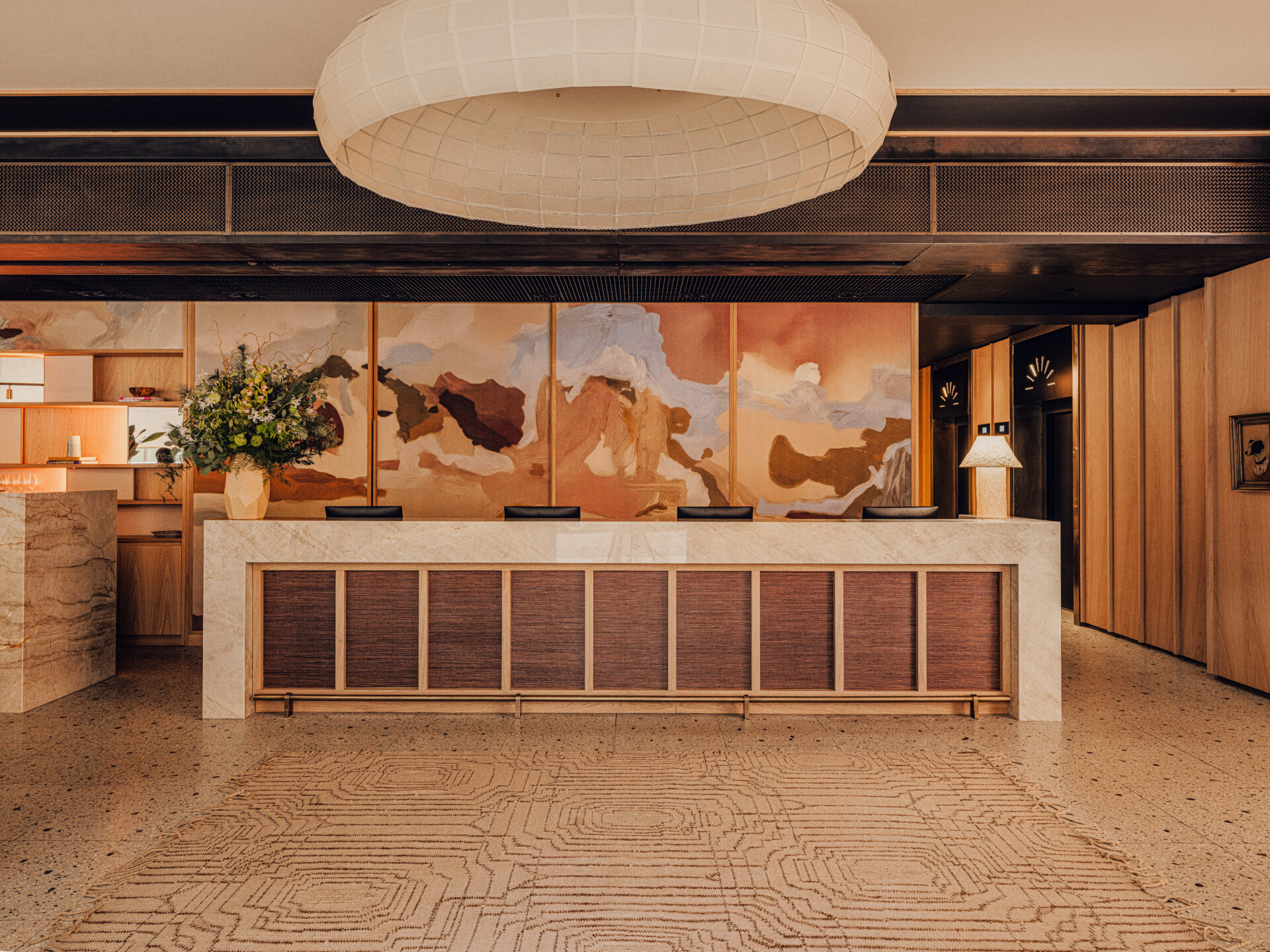
Drawing on Shoreditch’s industrial and artisanal heritage, the designers employed what they describe as an ‘urban palette softened by warm accents’. In the lobby, concrete, terracotta and brushed metals are layered with timber and textiles, while many of the original architectural elements have been retained, including a terracotta feature wall. The result feels lighter and more approachable than before, while subtle references to Japanese design remain. A mural behind the reception desk, which reinterprets Shoreditch graffiti through a Japanese lens, is a particular highlight.
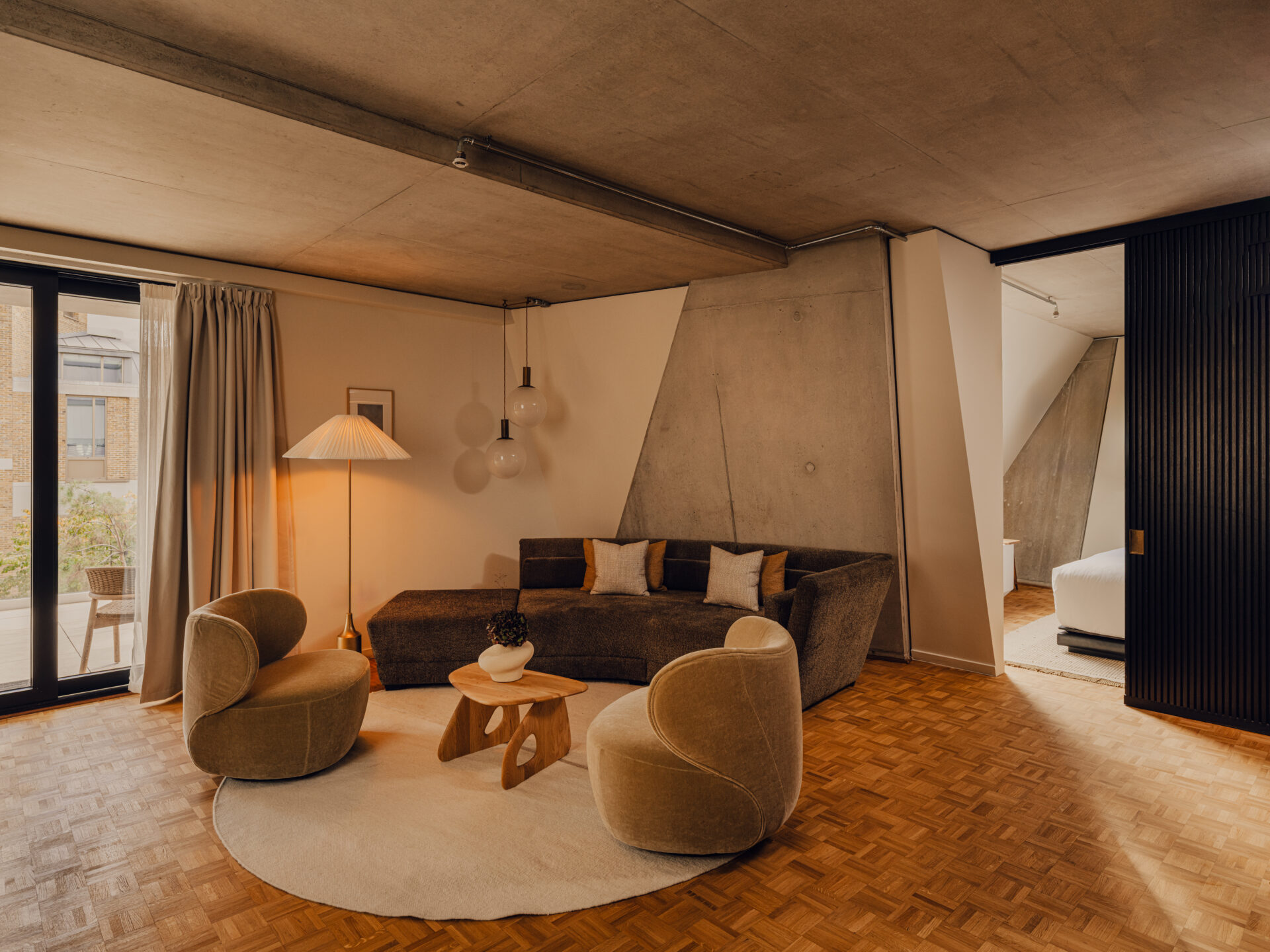
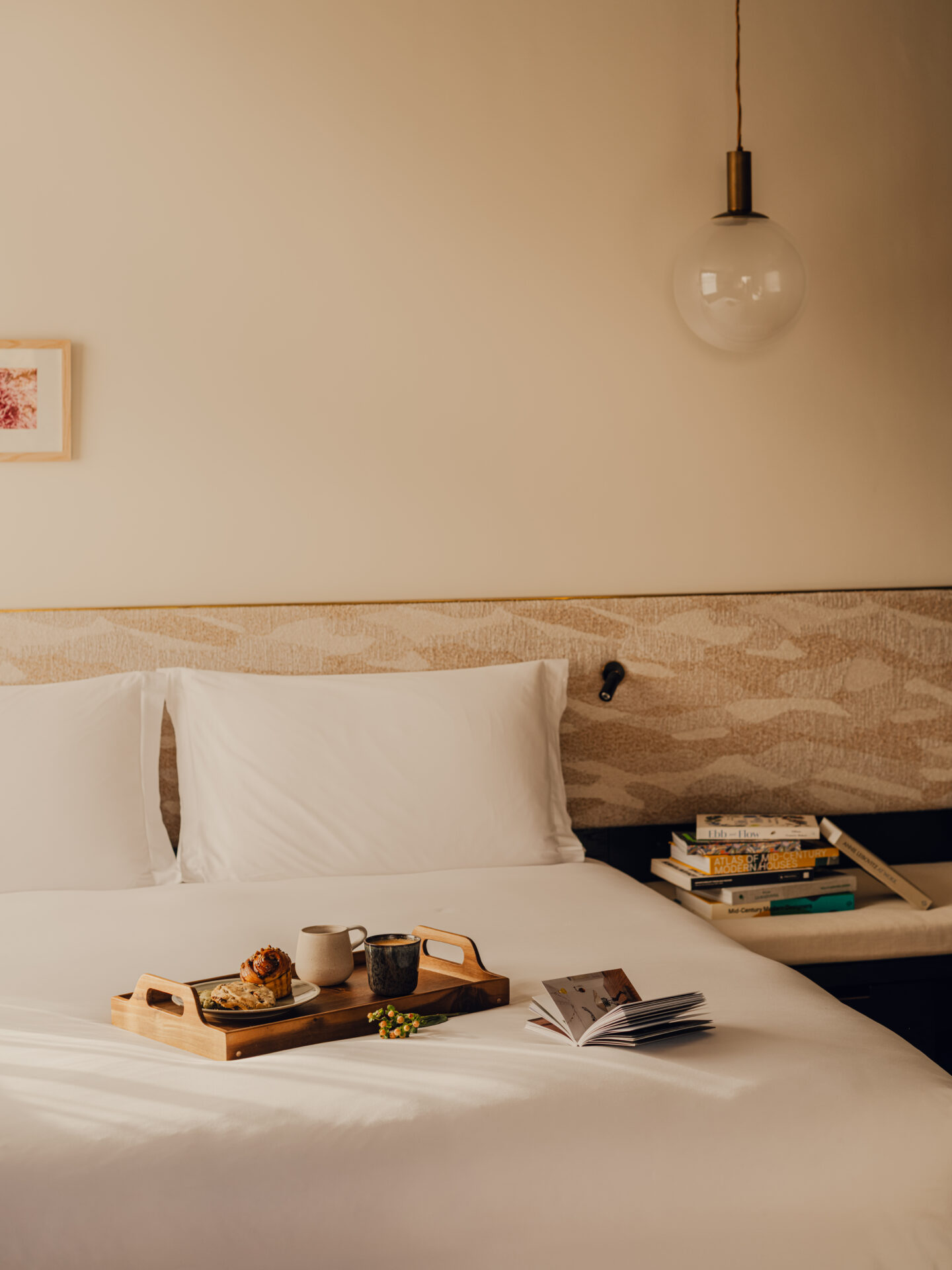
The building’s 164 guestrooms have also been renovated. Here, echoes of Japanese design are more pronounced. Concrete ceilings are tempered by dark vertical slatted timber panelling, subtly shimmering fabric headboards, crisp white bedding and sliding slatted window screens. The atmosphere is calm and restrained. In the bathrooms, baths and showers are recessed into the wall, creating a compact, almost capsule-like quality.
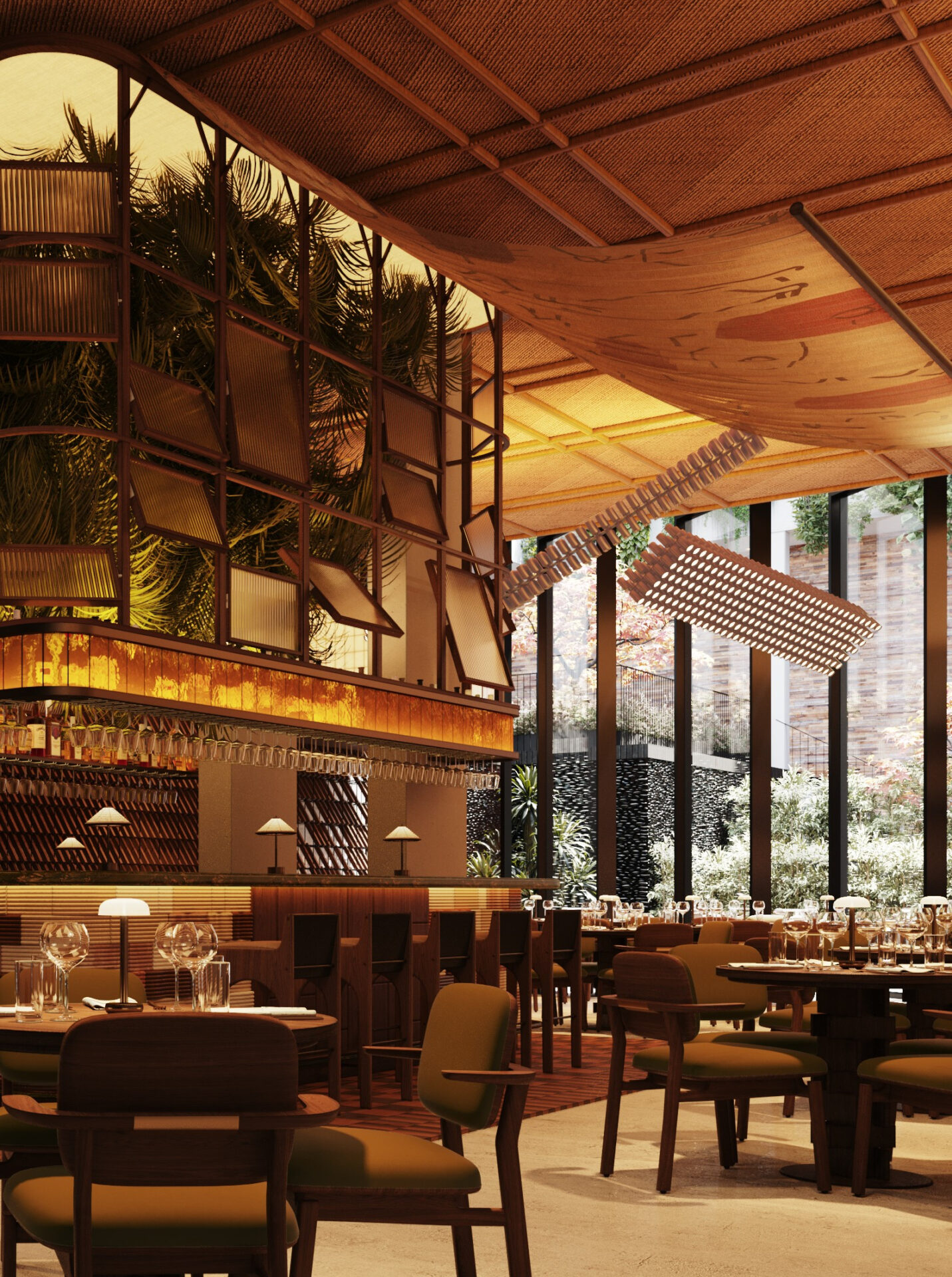
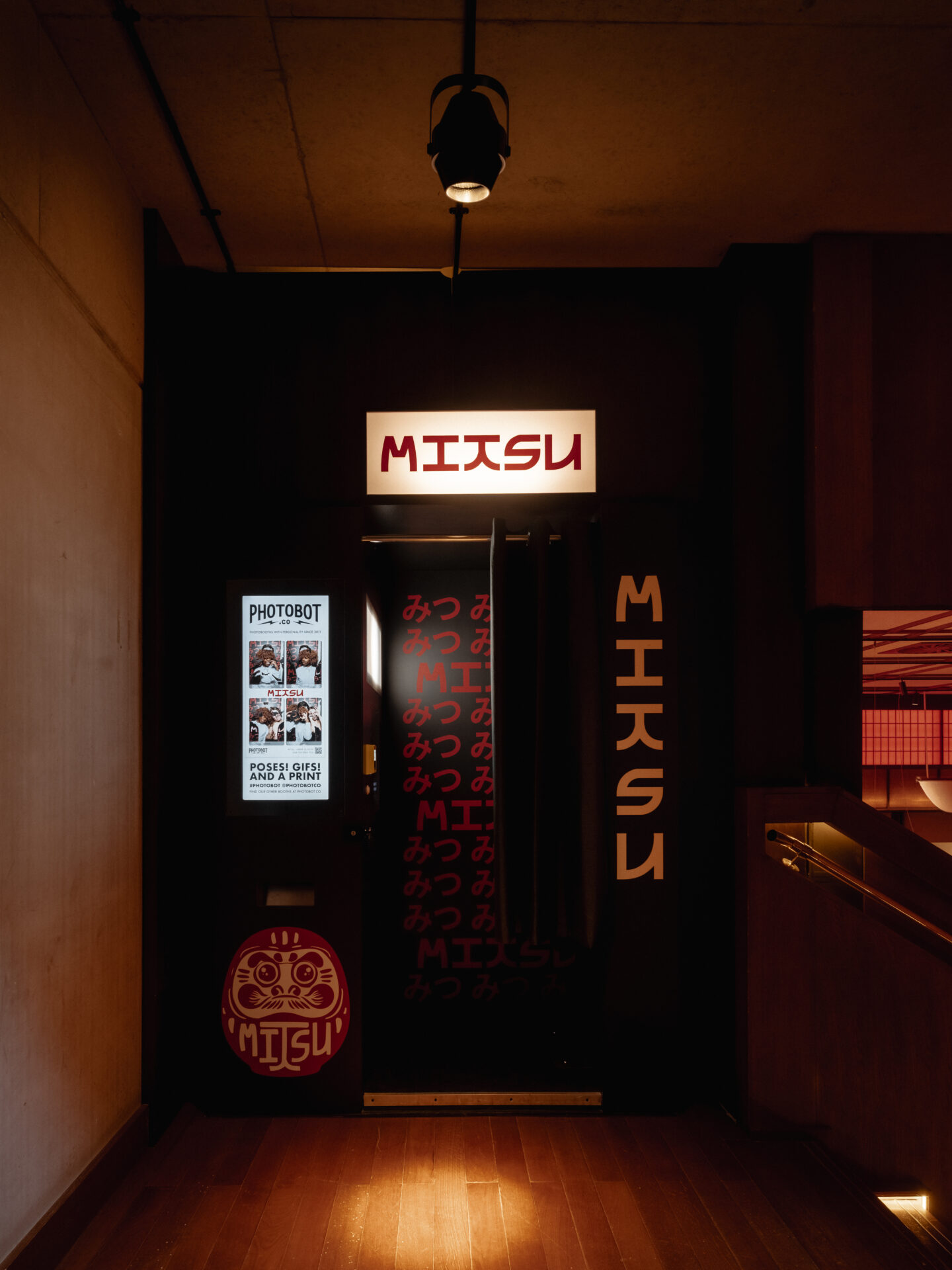
Ensuring fans of Japanese cuisine will not feel too bereft at Nobu’s departure, the basement now houses Mitsu, a new restaurant conceived as a contemporary interpretation of the Japanese izakaya – the informal pubs and taverns that form a cornerstone of the country’s dining culture. Here, inspired by the urban character of Tokyo in the 1970s and 1980s, Astet Studio has embraced a darker, more dramatic mood, combining red-lit shoji screens, swirling Eley Kishimoto fabric panels, darkened metals and reactive-glazed ceramic surfaces. Making the most of the double-height space in the restaurant’s bar area, oversized noren hangings are suspended above diners, while deeper inside, more intimate dining rooms with lower timber ceilings and banquette seating create a quieter, more refined atmosphere.
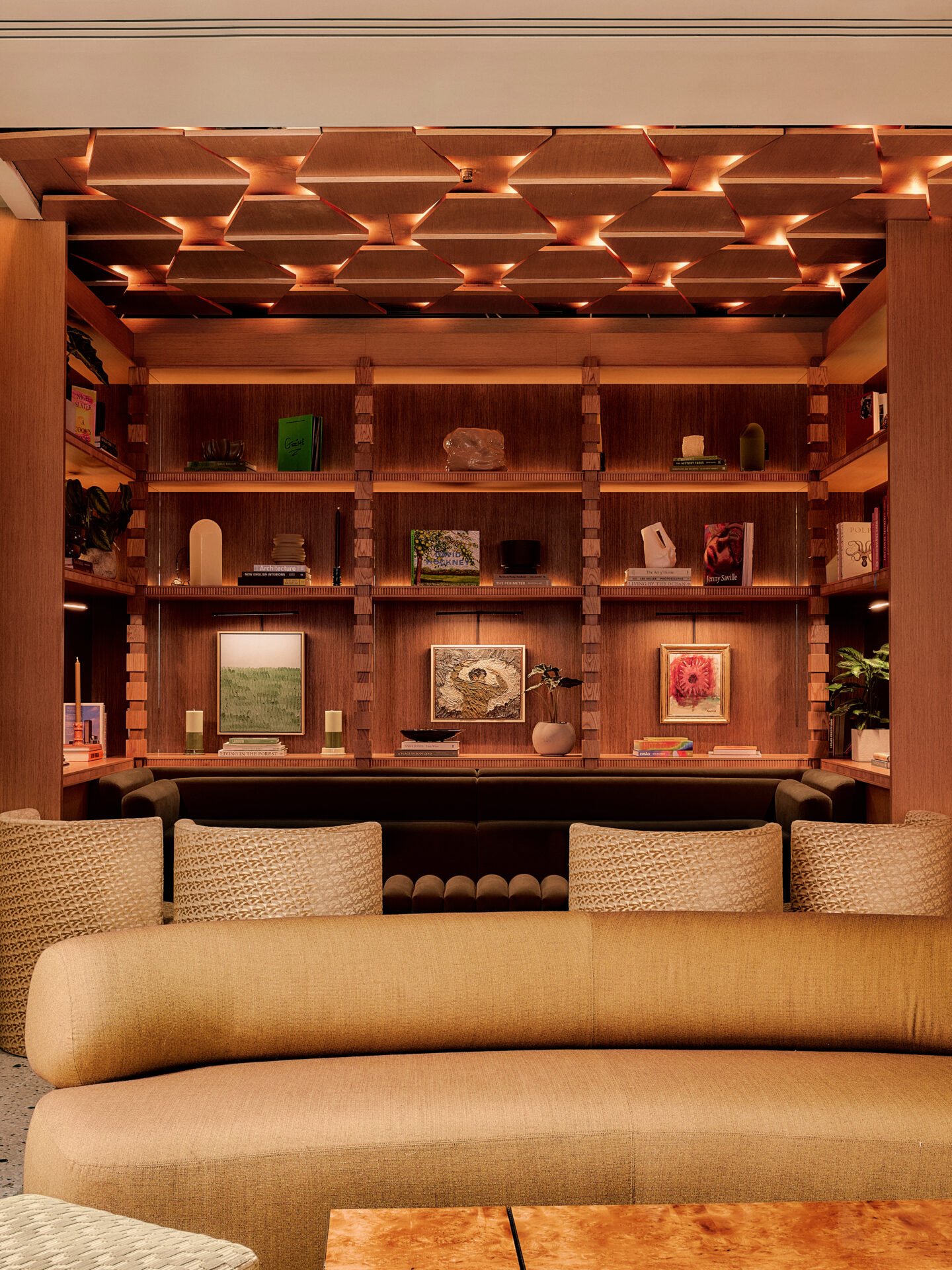
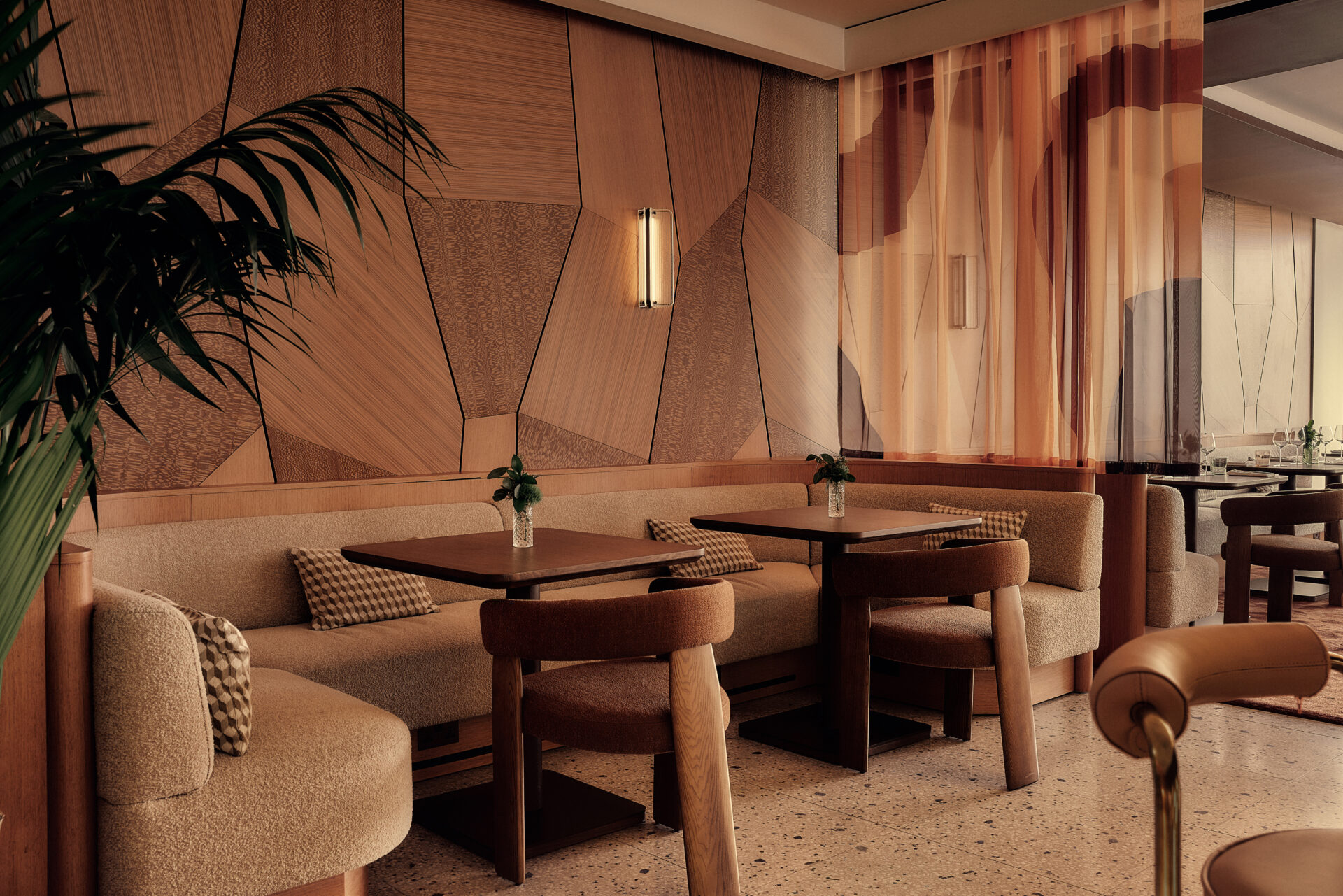
Additional amenities include The Willow Room, a co-working space for Aethos members, a boutique spa, and a training studio complete with sauna, cold plunge and hot baths. While traces of the hotel’s roots remain, Astet has recast the hotel as a warmer and altogether more sociable destination that feels better aligned with Shoreditch’s creative character.


