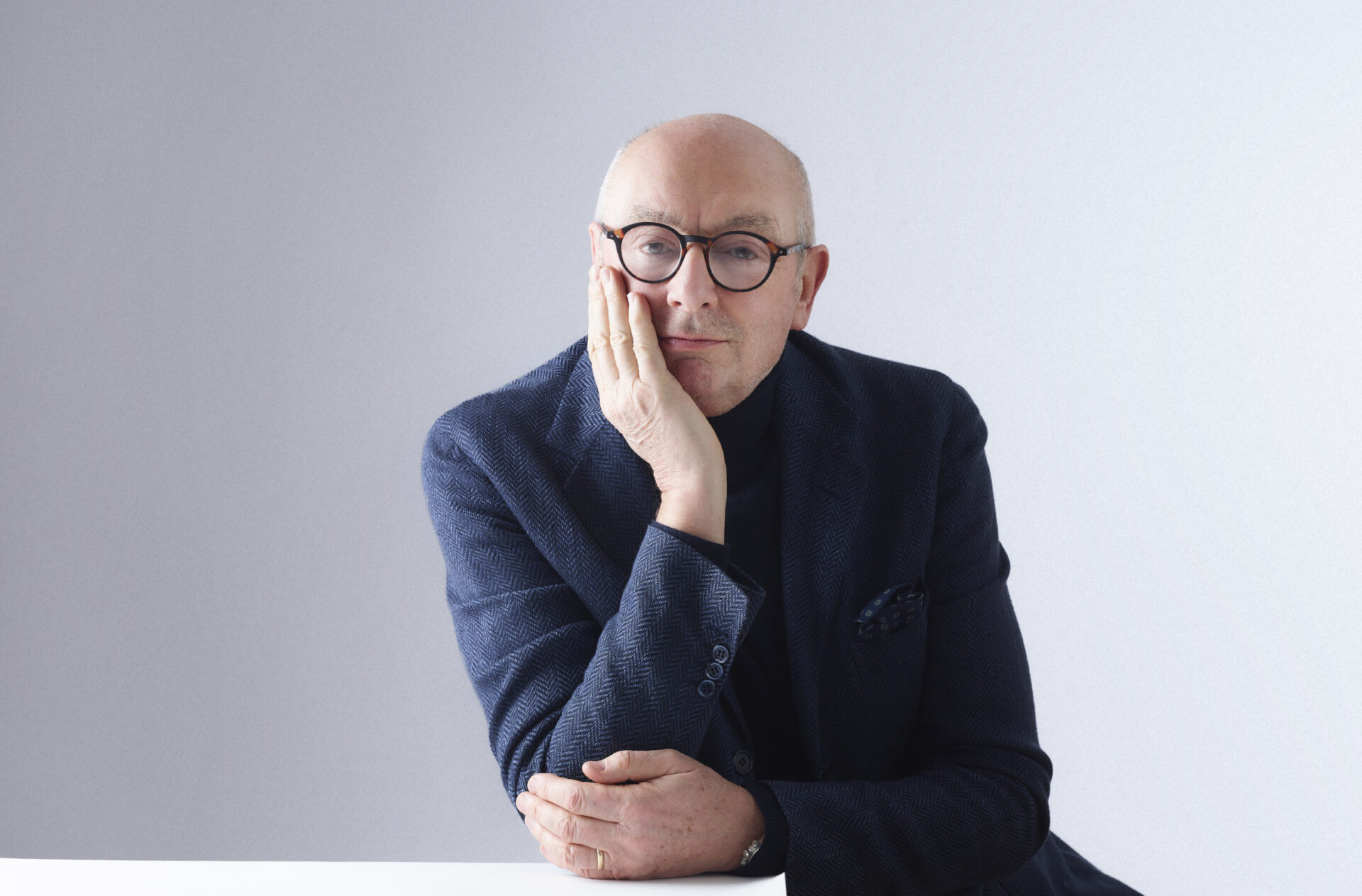
Piero Lissoni for Sanlorenzo Q&A
As Casa Sanlorenzo opened in Venice for the city’s first Climate Week, we spoke to designer Piero Lissoni, creative director of the pioneering ‘conscious yachting’ brand Sanlorenzo, for whom he designed a new cultural hub as well as the bridge to reach it

Q: It must be an honour to add a bridge to Venice’s iconic canals?
Piero Lissoni: Of course, it’s a unique opportunity. But what started out as a humble bridge soon became a metaphor for what we’re doing here at Casa Sanlorenzo. Creating a connection between two points, that’s precisely the purpose of a bridge. And this new hub also brings different worlds together, yachting and art, sustainability and cultural exchange. So, in the end, it was easy. I designed a simple structure, made of one metal sheet, added a surface of Istrian stone offsite, then we airlifted it in and screwed it into place.
Q: Its design is defined by a contemporary aesthetic, quite radical for Venice.
PL: We needed this bridge to be a powerful sign. Firstly, to show that we’re in 2025 and secondly, to sign-post to the public what is happening inside Casa Sanlorenzo, that this new venue is a hub for art as the vehicle for change.
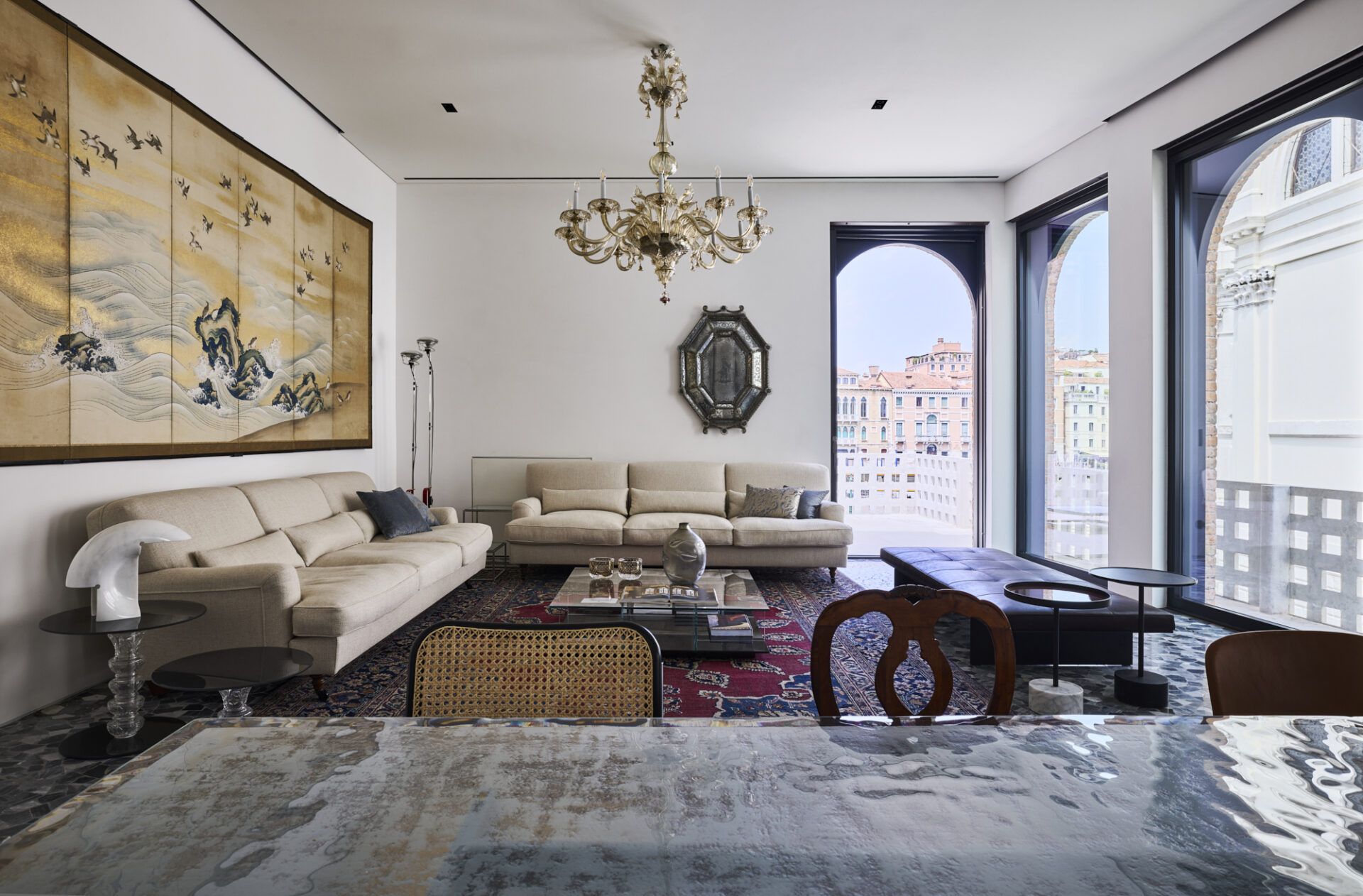
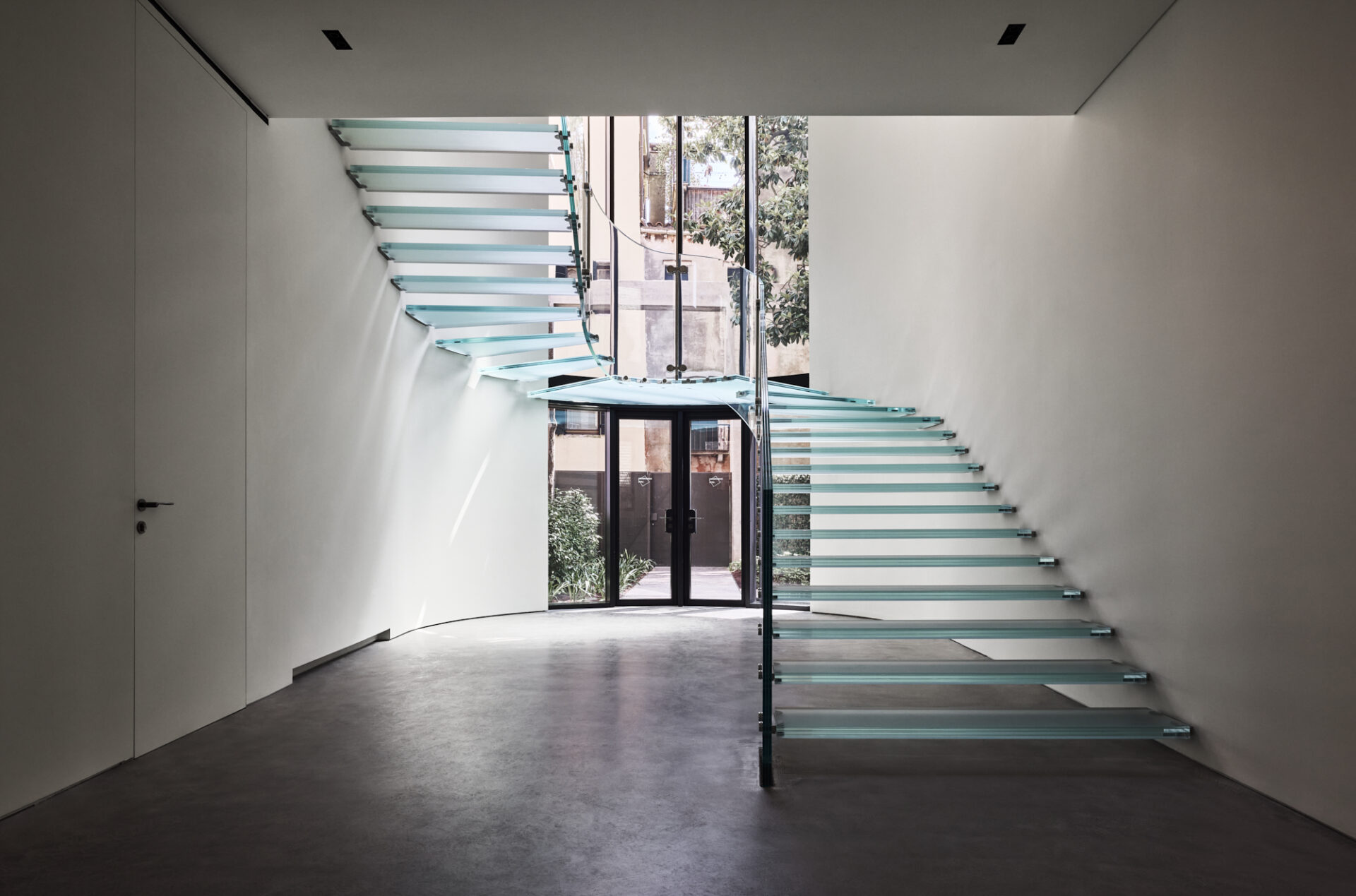
Q: Please talk us through your plans for the building – a 1950s glass makers originally, neglected over the years, now preserved by keeping the original facade
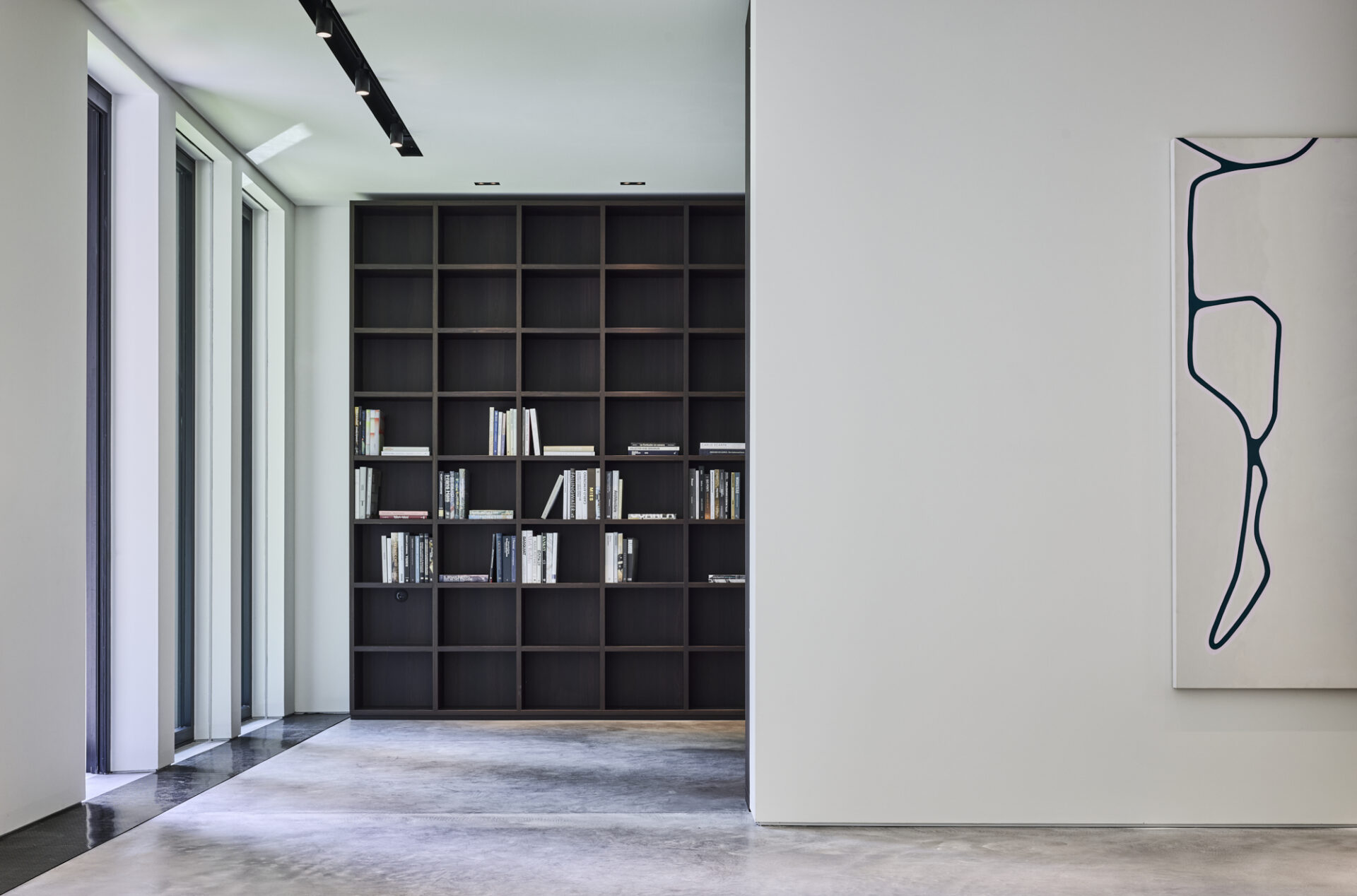
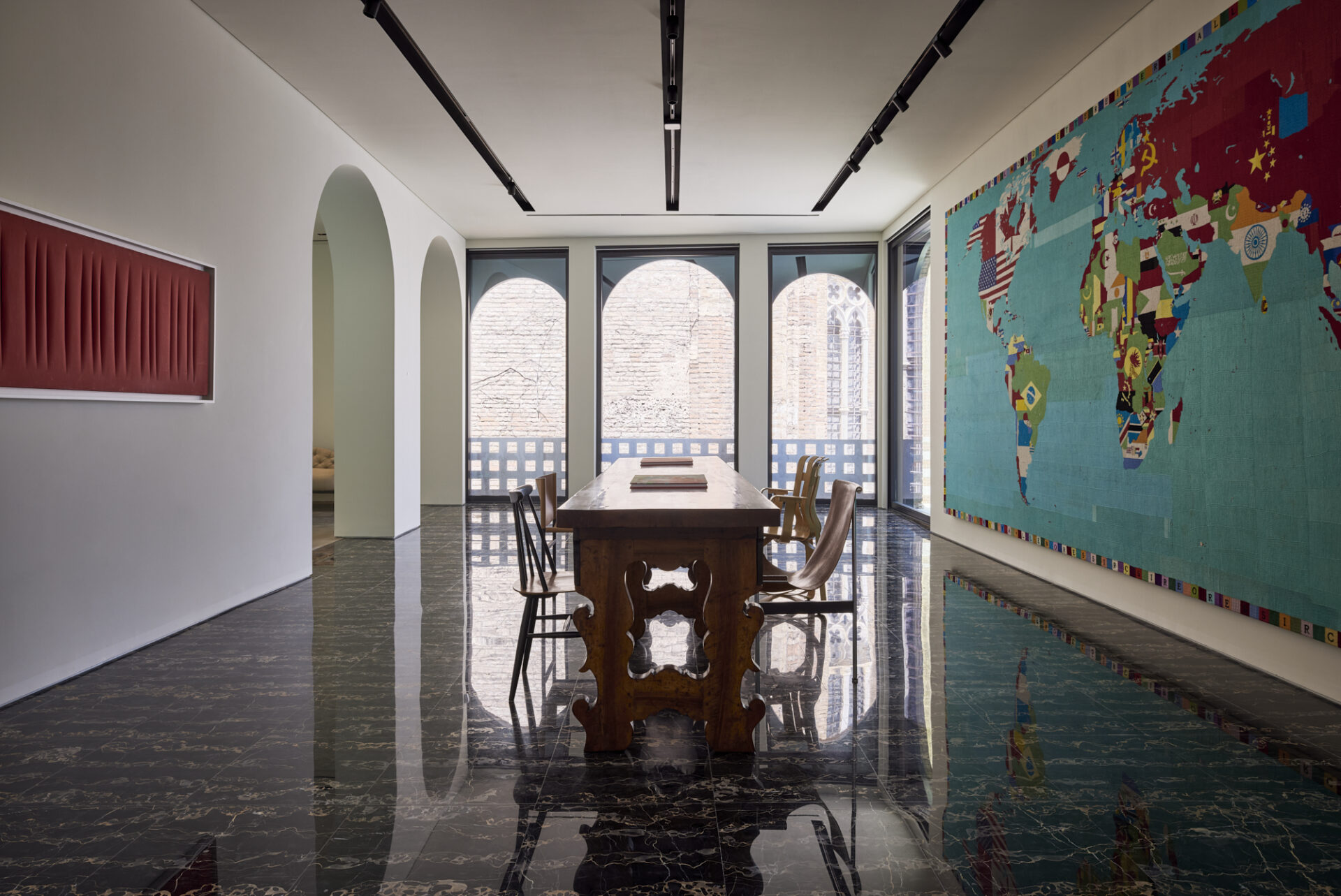
PL: Yes, beyond the beautiful shell, however, I wanted to keep as much as possible of its feeling, too. Its position next to the Basilica della Salute, its serene garden – a rarity in Venice – the canal right by its side. My main change was to install large steel and glass windows to connect the green outdoors with the inside. I’m an architect at heart, when I design any building, I’m always considering what will happen inside. So, when designing a modern museum you need to respect how best to exhibit art, in all its forms, whether painting, photography, sculpture or film, without compromise. For me, it was absolutely vital to create that connection of nature and artificiality as a canvas for the art.
Q: Casa SanLorenzo will also function as a central venue for talks traversing sustainability, innovation and creativity, how will the building facilitate this?
PL: The interior is super flexible, you can dismantle and move walls, close the windows with shutters to create a cinema effect. As a contemporary space, it needs to enable multiple set-ups. For the launch, we have a photography exhibition by Marco Palmer, [360° Horizon, a special project for Sanlorenzo Art Basel, Miami Beach 2019] as well as classics like Lucio Fontana’s Concetto Spaziale [1965]. Plus, there is a private apartment, in which to also host events.
Q: With Sanlorenzo’s main shipyard in La Spezia, what relevance does Venice hold as the base for its art hub? The water element being an obvious hook.
PL: It’s much more than that. If you think about it from an ideological point of view, Venice is the most futuristic city in the world. Founded over 1000 years ago, it has learnt to jump in and out of the different types of futures, constantly reinventing itself day by day by day. Think about how this town is surviving, the incredible level of connections between structural parts, water and buildings, constructed on hundreds of small islands, creating an artificial lagoon. I believe Venice is the most important place to be right now, not Milan, London or Paris, nor New York. And a pioneering brand like Sanlorenzo is all about addressing the future [the only super yacht brand with the target of carbon neutrality by 2030]. Now we have a dedicated space to do so on a wider scale.